CDC published updated recommendation for meningococcal vaccination of at-risk children age 2-10 years in MMWR
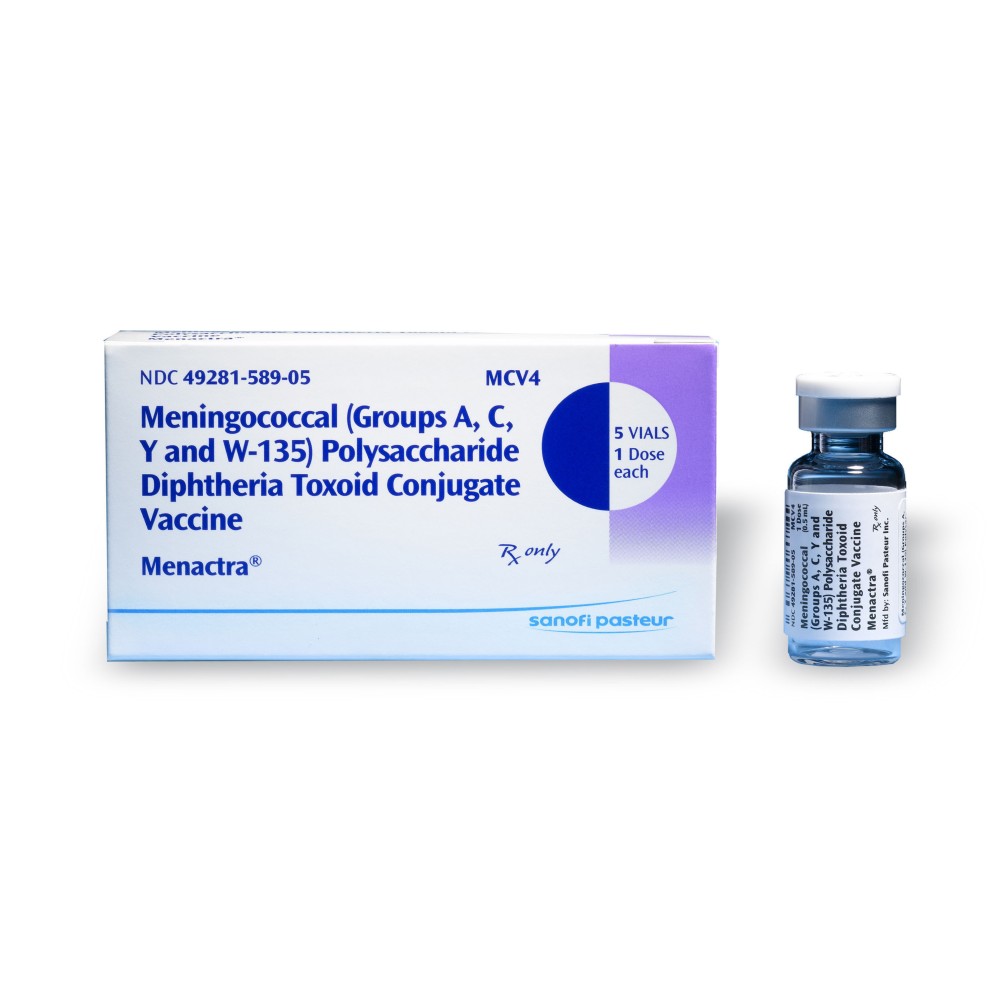
On Oct. 17, 2007, the Food and Drug Administration (FDA) approved quadrivalent meningococcal conjugate vaccine (MCV4) (Menactra®, Sanofi Pasteur, Swiftwater, Pennsylvania) for use in children aged 2–10 years, in addition to its prior approval for use in persons aged 11–55 years. Previous Advisory Committee on Immunization Practices (ACIP) recommendations called for routine vaccination with meningococcal polysaccharide vaccine (MPSV4) (Menomune®, Sanofi Pasteur) of children aged 2–10 years who are at increased risk for meningococcal disease.
In anticipation of possible licensure of MCV4 for children aged 2–10 years, during February 2007–October 2007, the ACIP meningococcal vaccine workgroup reviewed data on MCV4 immunogenicity and safety in children in that age group. On the basis of these data, opinions of workgroup members, and feedback from partner organizations, the workgroup proposed recommendations for use of MCV4 among children aged 2–10 years who are at increased risk for meningococcal disease. The recommendations were approved by ACIP at its October 24, 2007, meeting.
In a single, randomized, modified double-blind, controlled study of healthy U.S. children aged 2–10 years that compared MCV4 with MPSV4, serum bactericidal antibody geometric mean titers against all four serogroups were significantly higher at both 28 days and 6 months after vaccination in the children who received MCV4. In the same study, rates of most solicited local and systemic adverse events after vaccination with MCV4 were comparable to rates observed after vaccination with MPSV4. Although duration of protective immunity from MCV4 is not yet known, conjugate vaccines generally have a longer duration of protection than polysaccharide vaccines.
At its October meeting, ACIP revised its recommendation to state that MCV4 is preferable to MPSV4 for vaccination of children aged 2–10 years who are at increased risk for meningococcal disease. These children include travelers to or residents of countries in which meningococcal disease is hyperendemic or epidemic, children who have terminal complement component deficiencies, and children who have anatomic or functional asplenia. Additionally, MCV4 is preferred to MPSV4 for use among children aged 2–10 years for control of meningococcal disease outbreaks. Providers may elect to vaccinate children aged 2–10 years who are infected with human immunodeficiency virus (HIV).
For children aged 2–10 years who have previously received MPSV4 and remain at increased risk for meningococcal disease, ACIP recommends vaccination with MCV4 at 3 years after receipt of MPSV4. Children who last received MPSV4 more than 3 years ago and remain at risk for meningococcal disease should be vaccinated with MCV4 as soon as possible. For children at lifelong increased risk for meningococcal disease, subsequent doses of MCV4 likely will be needed.
Tags:
Source: U.S. Centers for Disease Control and Prevention
Credit: