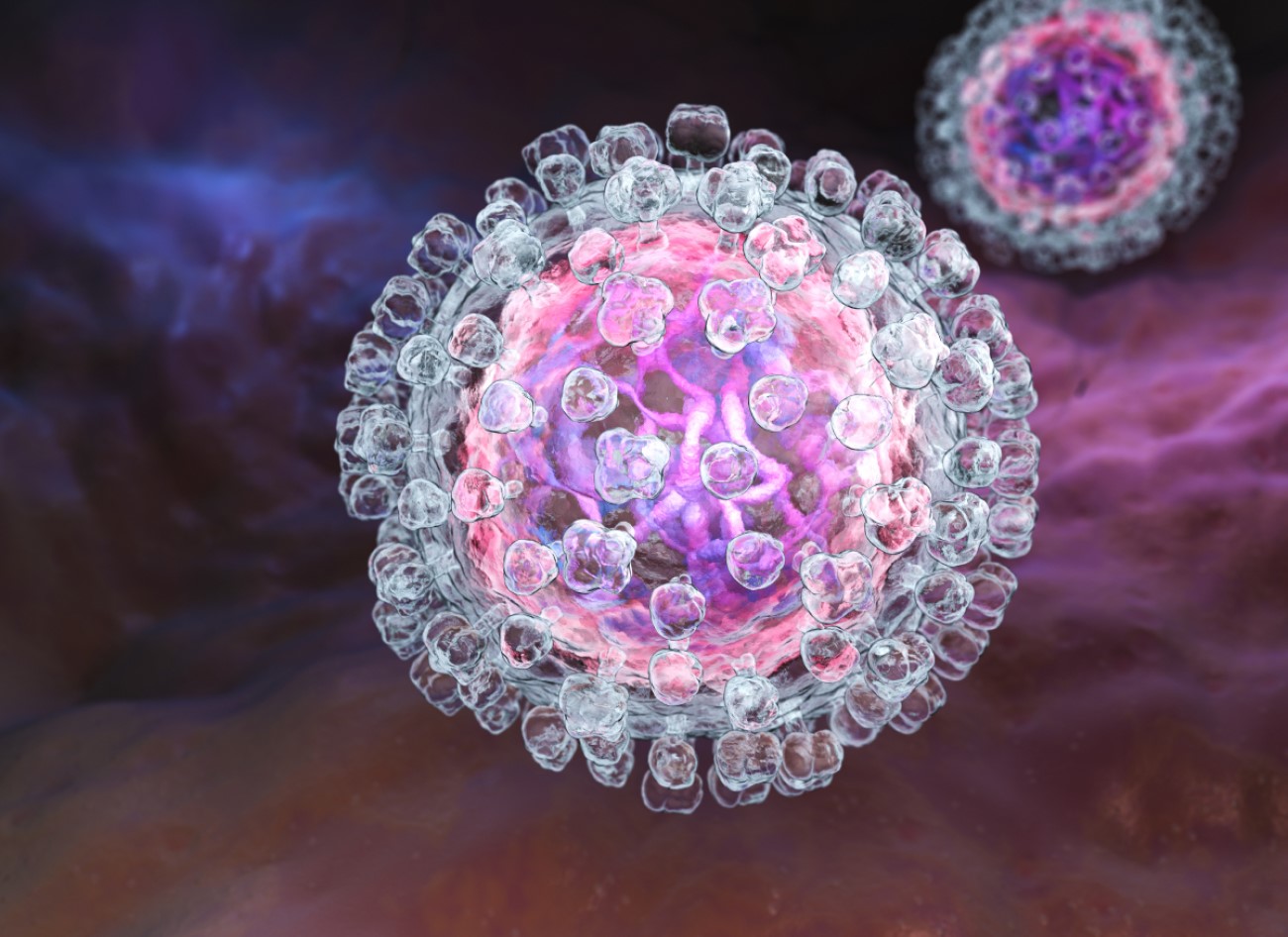
National Cancer Institute reported risk of lymphoma increases with Hepatitis C virus infection
On May 8, 2007, the National Cancer Institute (NCI) reported that people infected with the hepatitis C virus (HCV) are at an increased risk of developing certain lymphomas (cancers of the lymphatic system). Researchers found that HCV infection increased the risk of developing non-Hodgkin’s lymphoma by 20% to 30%. The risk of developing Waldenstrom’s macroglobulinemia (a rare type of non-Hodgkin’s lymphoma) went up by 300% and the risk for cryoglobulinemia, a form of blood vessel inflammation, was also elevated for those with HCV infections.
The researchers looked at patient records collected from Veterans Affairs (VA) hospitals across the United States between 1996 and 2004. Researchers selected more than 700,000 records; 146,394 represented patients who were diagnosed with the hepatitis C virus, while 572,293 represented patients who were not. Based on that review, researchers determined, first, that the patients infected with HCV had a higher risk of developing lymphoma and, second, that HCV infection preceded development of the lymphoma. The risk of lymphomas in HCV-infected patients was charted across more than five years of follow-up.
HCV causes hepatitis, which is an inflammation of the liver. The HCV virus is carried through the blood and is passed from person to person through the exchange of bodily fluids — via shared needles, open wounds, and sexual contact, among other means. HCV is also known to cause cirrhosis and liver cancer.
In the United States, there are more than 4.1 million people living with hepatitis C virus infection — about 1.6 percent of the population. In 2007, it is estimated that 71,380 Americans will be diagnosed with some type of lymphoma, which will take 19,730 lives.
The researchers note that this study was limited to military veterans who used the VA system, so the results may not be applicable to the overall U.S. population. The study population was mostly men (97 percent), the majority of patients were white, and the average age was 52 years. Patients in the HCV-infected group were more likely to have served during the Vietnam era (1964-1975) than were uninfected patients in the comparison group.
Tags:
Source: National Institutes of Health
Credit: