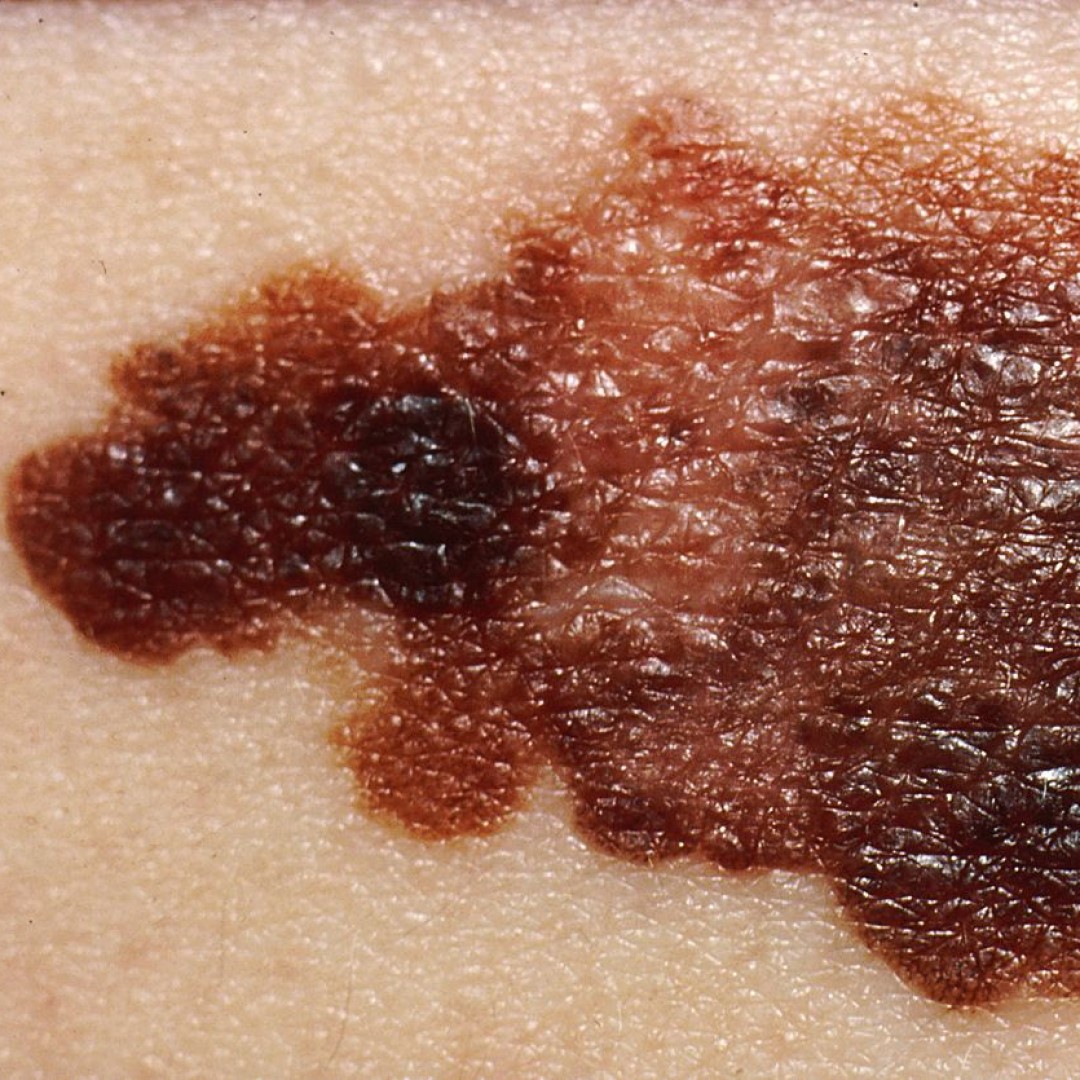
National Cancer Institute researchers developed a new model for estimating the 5-year risk of melanoma
On Sept. 1, 2006, National Cancer Institute (NCI) researchers developed a new model for estimating the 5-year risk of melanoma. The model can be used by health professionals to identify individuals at increased risk of melanoma through routine office visits and help them plan for potential interventions. Also available is the Breast Cancer Risk Assessment Tool, a computer program developed by scientists at NCI and the National Surgical Adjuvant Breast and Bowel Project.
Relative risk models yielded an attributable risk of 86% for men and 89% for women, using at most seven variables. Attributable risks did not vary by age, ultraviolet B flux or hours outdoors. The absolute individual risks varied widely, depending on age, other host characteristics, and geographic area. Individual absolute risk can be estimated using a program available online.
Their procedures allow for estimating the absolute risk of developing melanoma to assist in the identification of patients at high risk. Such high-risk individuals could undergo interventions including a complete skin examination, counseling to avoid sun exposures, regular self and professional surveillance, or participation in prevention trials. It is important to emphasize that these projections are not intended to identify current melanoma cases.
Tags:
Source: National Library of Medicine
Credit: