Sandia work on space shuttle showed live cells influence growth of nanostructures
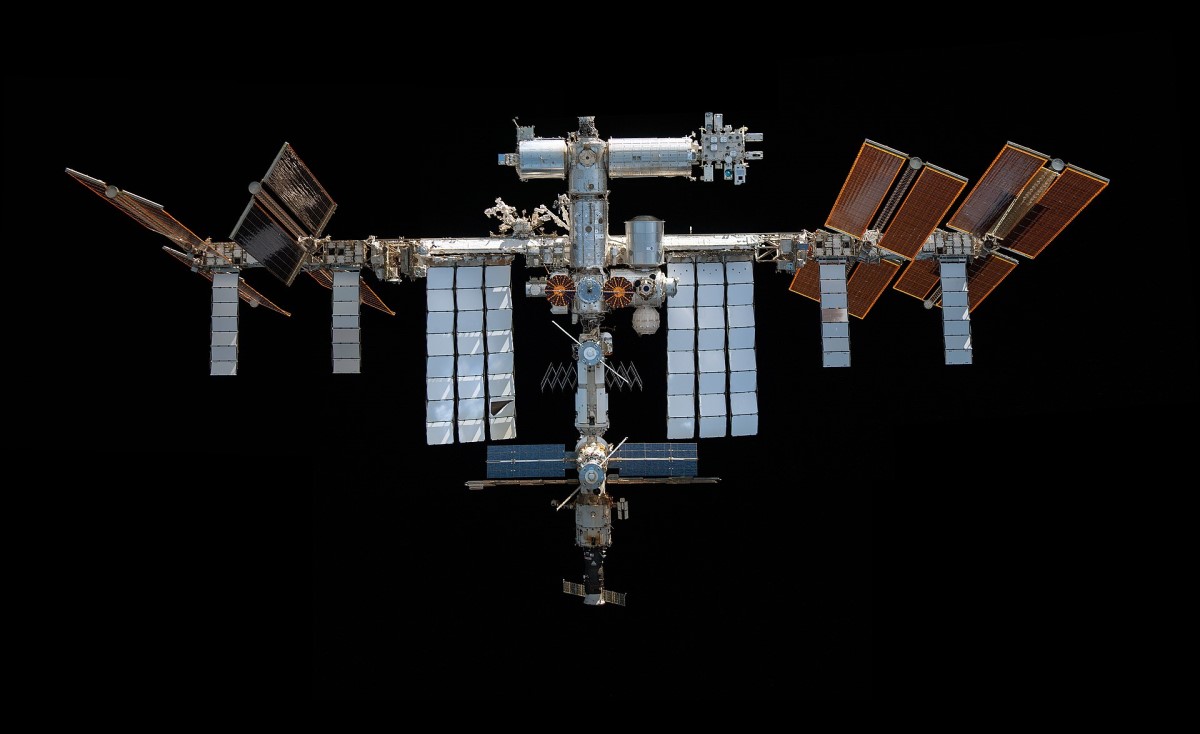
On Jul. 20, 2006, Sandia and the University of New Mexico reported that experiments involving single-cell organisms in nanostructures were placed on the International Space Station. Researchers were investigating the manner in which living cells placed in nanostructures apparently direct the creation of nanocompartments. The study, published in Science, demonstrated that common yeast cells (as well as bacterial and some mammalian cells) customize the construction of nanocompartments built for them.
“Cheap, tiny, and very lightweight sensors of chemical or biological agents could be made from long-lived cells that require no upkeep, yet sense and then communicate effectively with each other and their external environment,” says former UNM graduate student and Sandia consultant Helen Baca, lead author on the paper. Baca was advised by Sandia Fellow and UNM professor of chemical engineering, molecular genetics & microbiology Jeff Brinker.
Groups of such long-lived cells may also serve as models to investigate how tuberculosis bacteria survive long periods of dormancy within human bodies.
En masse, they also may be used to generate signals to repel harmful bacteria from the surfaces of surgical tools like catheters.
Finally, the method also offers a simple method to genetically modify cells. “This is not the end of the story, but the beginning,” says Brinker. “No one else has created these symbiotic materials and observed these effects. It’s a totally new area.”
Tags:
Source: Phys.org
Credit: