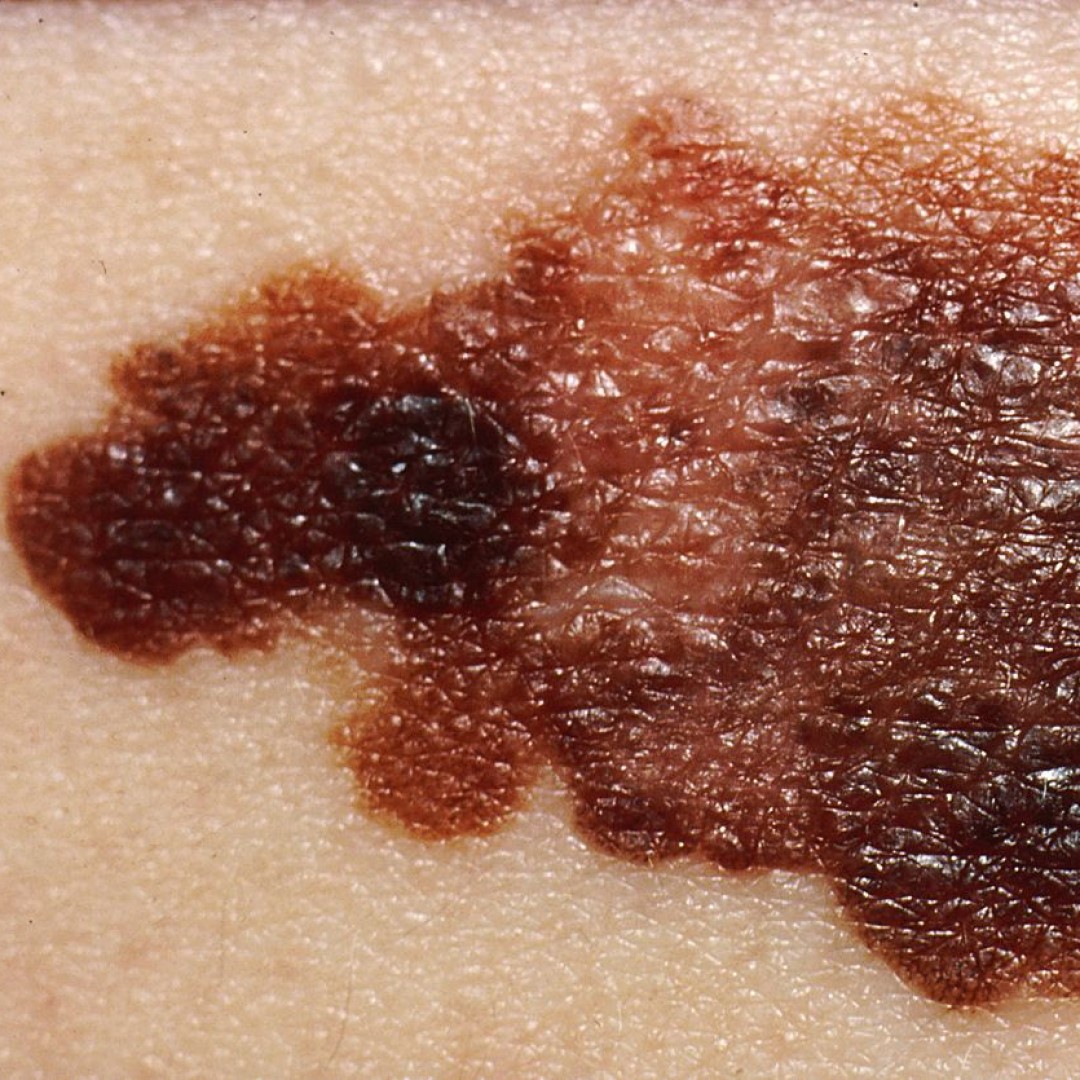
National Cancer Institute researchers replace a patient’s immune system with cancer-fighting cells
On Sept. 19, 2002, a new approach to cancer treatment that replaced a patient’s immune system with cancer-fighting cells can lead to tumor shrinkage. National Cancer Institute researchers demonstrated that immune cells, activated in the laboratory against patients’ tumors and then administered to those patients, could attack cancer cells in the body.
The experimental technique, known as adoptive transfer, has shown promising results in patients with metastatic melanoma who have not responded to standard treatment. With further research, scientists hope this approach may have applications to many cancer types, as well as infectious diseases such as AIDS.
In the study, 13 patients with metastatic melanoma (a deadly form of skin cancer) who had not responded to standard treatments were treated with immune cells produced in the laboratory specifically to destroy their tumors. The treatment resulted in at least 50 percent tumor shrinkage in six of the patients, with no growth or appearance of new tumors. Four additional patients had some cancer growths disappear.
Although the treatment is highly experimental, researchers are optimistic that it may, in the future, extend beyond the treatment of patients with melanoma. It should be possible, they say, to raise immune cells that will recognize and attack many tumor types.
Similarly, the same technique could potentially be used to treat some infectious diseases, such as AIDS.
Tags:
Source: ScienceDaily
Credit: