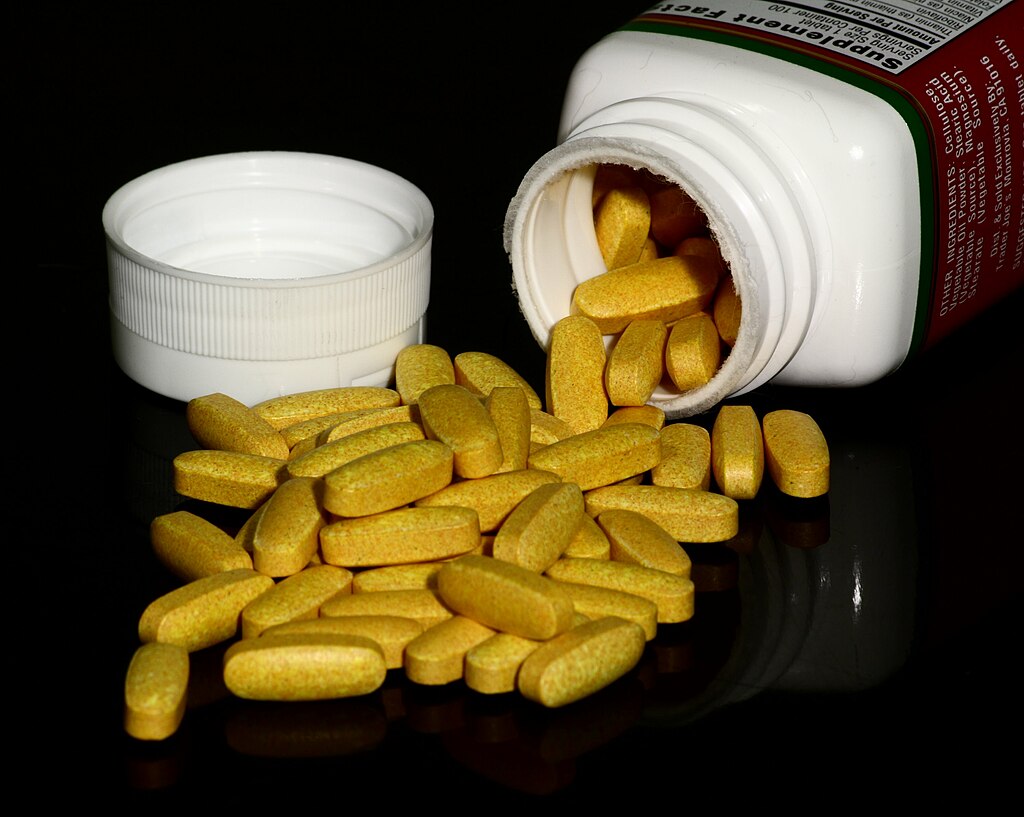
The CDC began recommendations for folic acid supplements for prevention of fetal neural tube deficits in pregnancy
On Sept. 11, 1992, the U.S. Centers for Disease Control and Prevention (CDC) began recommendations for folic acid supplements for prevention of fetal neural tube deficits in pregnancy. This change was enacted by the U.S. Congress, as part of the Preventive Health Amendments of 1992, to recognize CDC’s leadership role in the prevention of disease, injury, and disability.
Each year in the United States about 2,500 infants are born with the neural tube defects (NTDs) spina bifida and anencephaly. In addition, an unknown number of fetuses affected by these birth defects are aborted. All infants with anencephaly die shortly after birth, whereas the majority of babies born with spina bifida grow to adulthood with, in severe cases, paralysis and varying degrees of bowel and bladder incontinence. The evidence that consumption of folic acid, one of the B vitamins, before conception and during early pregnancy (the periconceptional period) can reduce the number of NTDs has been accumulating for several years. Published data are available from randomized controlled trials, nonrandomized intervention trials, and observational studies.
One of the most rigorously conducted studies was the randomized controlled trial sponsored by the British Medical Research Council (MRC). The study showed that high-dose folic acid supplements (4.0 mg per day) used by women who had a prior NTD-affected pregnancy reduced the risk of having a subsequent NTD-affected pregnancy by 70%.
Preliminary results from the Hungarian randomized controlled trial of multivitamin/mineral supplementation (including 0.8 mg of folic acid) among women who had not had a prior NTD-affected pregnancy were reported in 1989. This trial was stopped in May 1992 on the advice of an ad hoc scientific advisory committee because of evidence of an NTD-protective effect of the multivitamin/mineral preparation relative to the study placebo preparation (Czeizel AE: personal communication, May 1992).
Three of four published observational studies showed a lowered risk of NTDs for women who have not had a prior NTD-affected pregnancy and who consumed 0.4-0.8 mg (400-800 ug) of folic acid daily from multivitamin supplements.
In summary, the data available indicate that folic acid can help avert NTDs when given at high-dose levels (i.e., 4.0 mg per day). The results of the British MRC study showed that the addition of other vitamins to 4.0 mg of folic acid confers no extra benefit in averting NTDs. Based on a synthesis of information from several studies, including those which used multivitamins containing folic acid at a daily dose level of greater than or equal to 0.4 mg, it was inferred that folic acid alone at levels of 0.4 mg per day will reduce the risk of NTDs. The protective effect found in the studies of lower-dose folic acid, measured by the reduction in NTD incidence, ranged from none to substantial (Tables 1 and 2, Figure 1); a reasonable estimate of the expected reduction in the United States is 50%. Thus there appear to be excellent prospects for substantially reducing the number of NTDs among U.S. women who have not had a prior NTD-affected pregnancy through the use of folic acid at intakes of approximately 0.4 mg daily.
All women of childbearing age in the United States who are capable of becoming pregnant should consume 0.4 mg of folic acid per day for the purpose of reducing their risk of having a pregnancy affected with spina bifida or other NTDs. Because the effects of high intakes are not well known but include complicating the diagnosis of vitamin B((12)) deficiency, care should be taken to keep total folate consumption at less than 1 mg per day, except under the supervision of a physician. Women who have had a prior NTD-affected pregnancy are at high risk of having a subsequent affected pregnancy. When these women are planning to become pregnant, they should consult their physicians for advice.
Tags:
Source: U.S. Centers for Disease Control and Prevention
Credit: