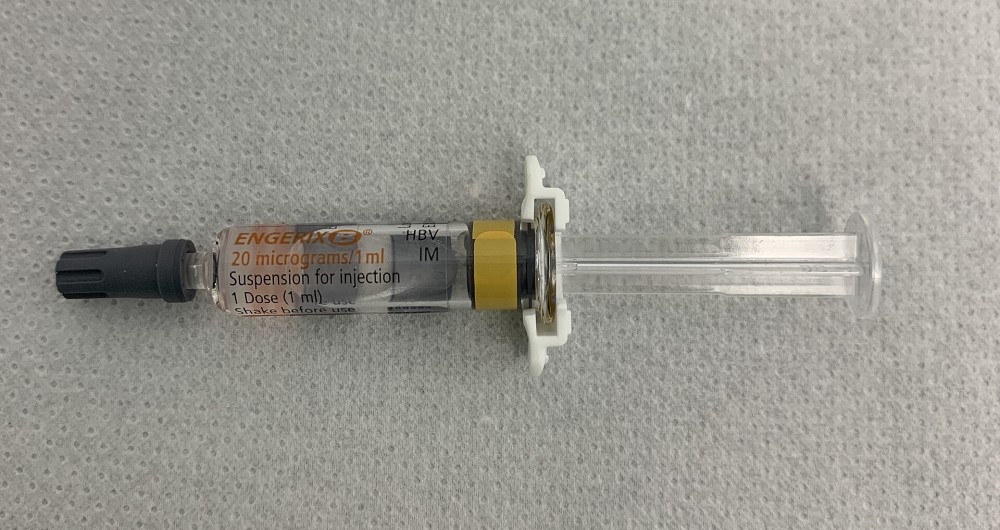
Recombinant hepatitis B vaccine (Engerix-B by SmithKline Beecham) was licensed
On Aug. 28, 1989, a second recombinant hepatitis B vaccine, Engerix-B (SmithKlineBeecham), was approved for use in the U.S. However, even though two vaccine manufacturers had produced two new hepatitis B vaccines that had been licensed by the U.S. Food and Drug Administration (FDA) for use by children and adults, the vaccine was not being used.
Hepatitis B (HBV) is a viral infection that infects the liver and occurs largely in adults with infection transmitted through sexual contact, sharing of needles, syringes and other drug injection equipment. Most acute infections last a few weeks and do not become chronic. Some cases can last 6 months or longer, become chronic, and lead to liver cancer and death. Recovery from acute hepatitis B infection provides lifetime protective immunity.
Symptoms of hepatitis B generally appear in 90 days and last a few weeks, and between 30 and 50 percent of infected adults and children over the age of five will have symptoms, while many children under the age of five will not. Transmission of infection from mother to child during birth is rare now that prenatal screening is conducted in all U.S. states. Symptoms of acute hepatitis B include fever, fatigue, loss of appetite, nausea, vomiting, abdominal pain, dark urine, discolored (clay) bowel movements, joint pain and jaundice (yellowish skin or eyes).
To date, there are six recombinant hepatitis B vaccines approved by the FDA for use in the U.S.: Engerix-B; Recombivax HB; PREHEVBRIO;Twinrix (combined with hepatitis A); Pediarix (combined with diphtheria and tetanus toxoids, acellular pertussis adsorbed, and inactivated poliovirus); and VAXELIS (combined with diphtheria and tetanus toxoids, acellular pertussis adsorbed, Haemophilus b conjugate, and inactivated poliovirus) The seventh is Heplisav-B, a recombinant adjuvanted vaccine. The primary reason that the CDC recommended hepatitis B vaccination for all newborns in the United States in 1991 is because public health officials and doctors could not persuade adults in high risk groups (primarily IV drug users and persons with multiple sexual partners) to get the vaccine.
Tags:
Source: National Vaccine Information Center
Credit: