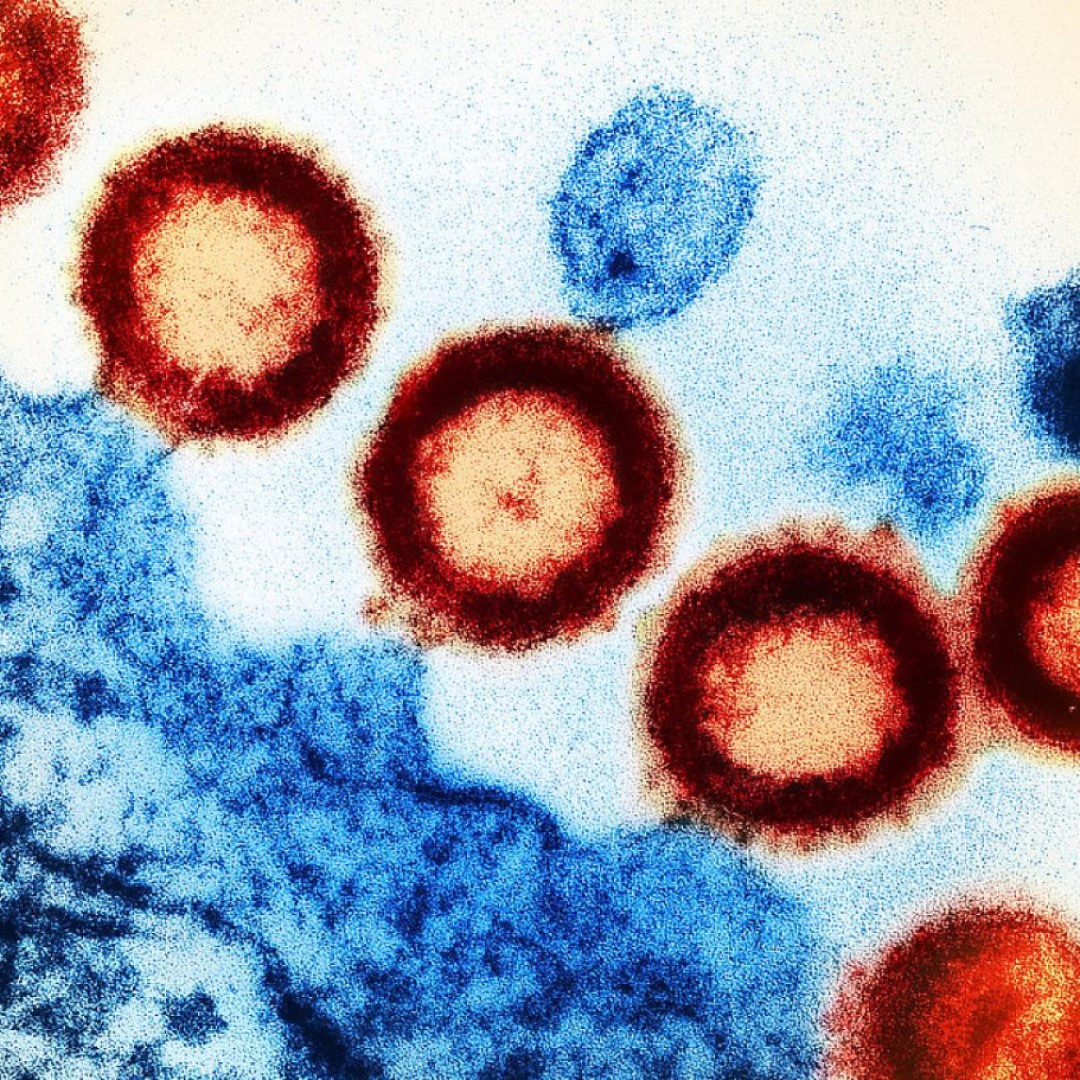
The CDC reported 413 cases of the new HIV disease in the US with 155 deaths
On Jul. 16, 1982, The U.S. Centers for Disease Control and Prevention (CDC) reported the first three cases of PCP among individuals with hemophilia. All three were reported to be heterosexual males. At this time, the CDC postulated that the immune dysfunction symptoms were transmitted through blood and blood products:
On the same date, the FDA’s Bureau of Biologics convened a meeting to discuss opportunistic infections in hemophiliacs. The meeting included representatives from the CDC, the National Hemophilia Foundation (NHF), the American Red Cross, the American Blood Resources Association (ABRA) (who represented the plasma fractionators), and the National Institutes of Health (NIH). The CDC presented an update of the epidemic of opportunistic infections, noting that the one common thread among all groups affected (i.e., homosexual men, IV drug users, Haitians, and individuals with hemophilia) was the presence of markers for hepatitis in more than 90 percent of each group (Hansen 1982).
In conjunction with the first cases among hemophiliacs, CDC Director William Foege asked public health officials to inform physicians caring for patients with hemophilia about the three cases of PCP among patients with hemophilia. He wrote to inform state and territorial health officers, industry representatives, the Assistant Secretary for Health, the FDA Commissioner, the Director of NIH, and all CDC regional offices that the CDC was conducting surveillance of the new disease and gathering additional information to determine the significance of the incidence reports. In addition, he asked physicians to immediately report cases of opportunistic infections or suspected acquired immune deficiency through state health departments to the CDC.
Tags:
Source: National Institutes of Health
Credit: