Artificial sweetener saccharin removed from FDA’s original GRAS list pending new scientific study
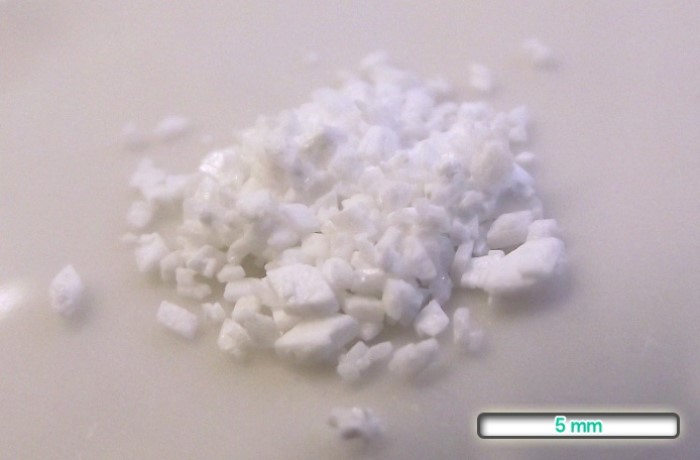
On Sept. 29, 1981, the artificial sweetener saccharin, included in U.S. Food and Drug Administration’s (FDA) original GRAS list, was removed from the list pending new scientific study.
Saccharin has long been considered carcinogenic because it produced bladder tumours in rats. Saccharin is now unbanned, with more than 100 countries worldwide legitimately allowing saccharin as a food sweetening additive, a situation that warrants further comment.
Saccharin, being 300 times sweeter than sugar, is used in many foods and drinks, and compared with carbohydrate-rich, high-calorie sweetened foods, it ensures sustained organoleptic taste with minimal calories. Saccharin may be experimentally carcinogenic in animals, but the fact remains that many other carcinogenic molecules have long been known to be ubiquitously present in foods and drinks.
But the cardinal principle affecting policy relating to all poisons—and their biologic consequences—is that their effects on vital tissue are dose-dependent. Selected putative examples include carcinogens such as trichloroethylene solvent (found in instant decaffeinated coffee), diethylstilbestrol [des (in beef liver)], secondary amines—nitrosamines—and benzopyrenes (in barbecued meats), aflatoxin (in agricultural products), tannins (in beverages, tea, and wine), thiourea (in cabbage), zearalenone (in corn), ethyl carbamate (in most fermented products including bread, wine, and beer), patulin (in flour, oranges, and apple sauce), and nitrates and nitrites (in vegetables, meats, fish, milk, and eggs).
As for saccharin, humans would need to drink the equivalent of 800 twelve-ounce diet sodas with saccharin daily to reach the carcinogenic doses that induced rat bladder cancer. Saccharin was banned in 1981 because of fear of possible carcinogenesis. Experimentally, no harmful effects on humans were observed with consumption of 5 g saccharin daily over 5 months. To produce tumours in rats, saccharin is administered in grams per kilo, compared with the milligrams per kilo used when saccharin acts as a sweetener for humans. In a 3000-calorie North American diet, daily consumption approaching 0.5 g (500 mg) by a single individual is highly unlikely.
The U.S. National Toxicology Program and The International Agency for Research on Cancer support the Environmental Protection Agency’s conclusion that saccharin is safe “at human levels of consumption” because, after assessing many saccharin-sweetened human foods, no association between saccharin and cancer could be established.
The World Health Organization and the E.U. Scientific Committee for Food deem saccharin safe at human levels of consumption. Consequently, saccharin has been removed from the list of substances hazardous to humans.
Editor Note: In 2026, a review and meta-analysis suggests that artificial and other non-nutritive sweeteners — including saccharin, aspartame, and sucralose — are not inert in the human body and may be harming metabolism.
Tags:
Source: U.S. National Library of Medicine
Credit: