The world’s first successful bone-marrow transplant completed at the University of Minnesota
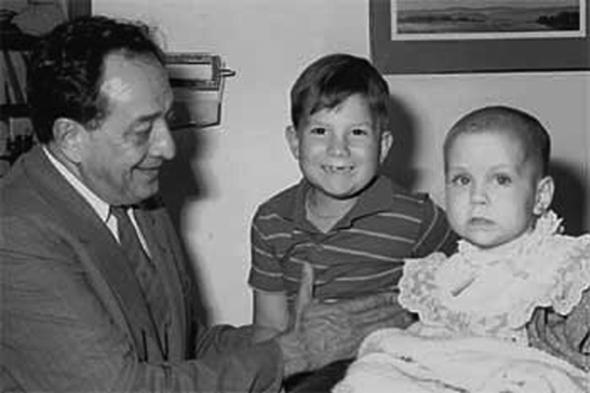
On Aug. 24, 1968, the first bone marrow transplant with a matched related donor occurred at the University of Minnesota. Dr. Robert Good completed the procedure on David Camp, a baby with a severe immune deficiency, using marrow donated by David’s nine-year-old sister, who was an HLA match. The match was determined by a blood test developed by Dr. Fritz Bach at the University of Wisconsin-Madison.
This history-making procedure paved the way for bone marrow transplants. In 1973, the first successful bone marrow transplant with unrelated patients occurred. In the 1980s, the National Marrow Donor Program and the Bone Marrow Donors Worldwide program were established, finally making it possible for patients to be matched with unrelated donors.
In 1956, the first successful bone marrow transplant was performed by Dr. E. Donnall Thomas in Cooperstown, New York. A child with leukemia received a transplant with bone marrow from their identical twin.
Two years later, French immunologist Dr. Jean Dausset discovered human leukocyte antigens (HLA). This group of proteins regulates the immune system and recognizes what belongs in the body and what does not. HLA compatibility between recipient and donor is vital for a successful transplant.
University of Minnesota Health teams have performed more than 8,000 blood and marrow transplants over the last five decades. Today they run one of the largest unrelated-donor transplant programs in the country and the largest umbilical cord blood transplant center in the world.
Tags:
Source: Masonic Cancer Center, University of Minnesota
Credit: