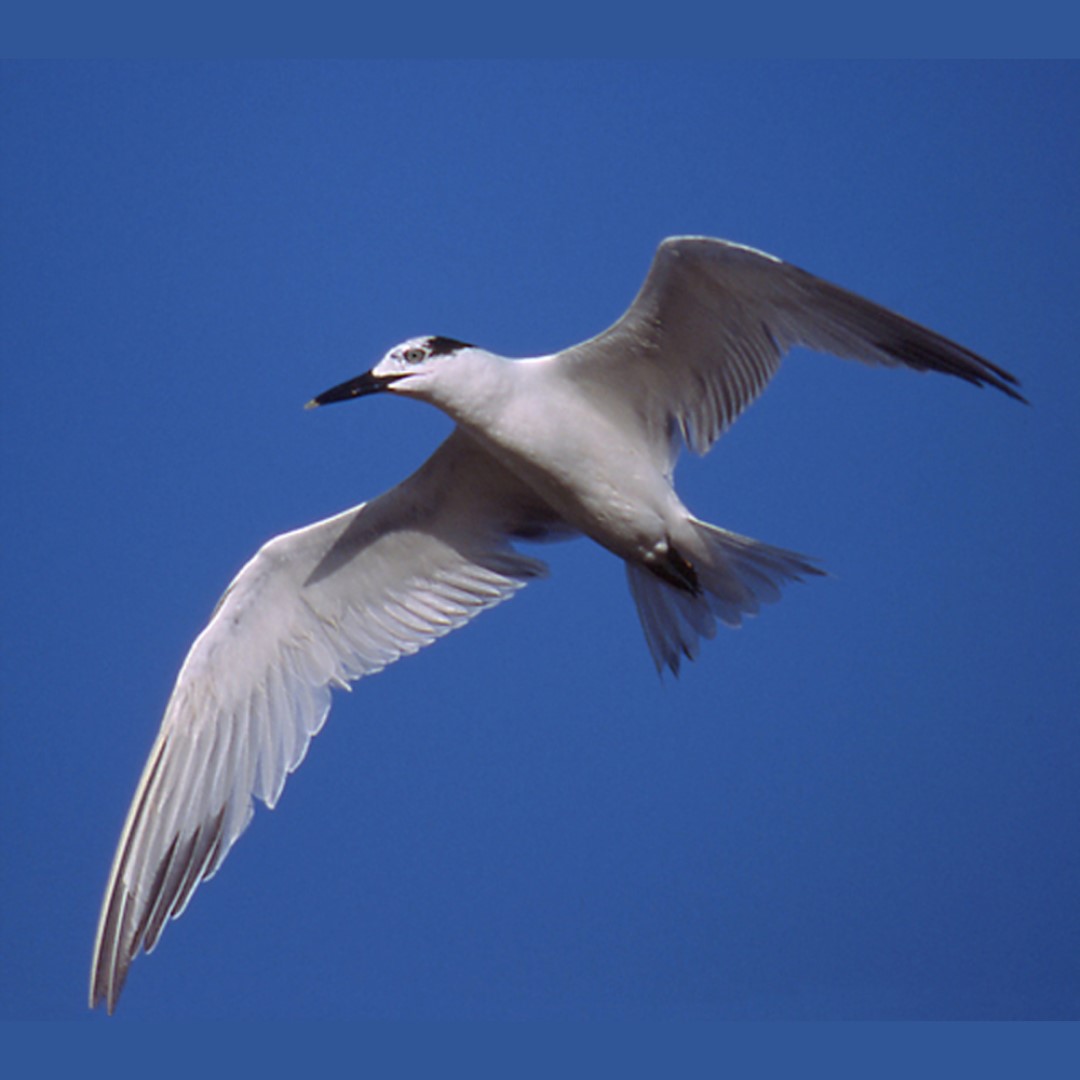
Outbreak in South Africa raises possibility of wild birds as a possible reservoir for influenza A viruses
In 1961, influenza virus was first isolated from wild birds in South Africa, from common terns (Sterna hirundo). Further work has shown that ecological association with either fresh or marine water was the primary determinant of disease incidence.
An increase in surveillance during the late 1970s revealed that ducks and geese are important reservoirs, but further work has shown that ecological association with either fresh or marine water was the primary determinant of disease incidence.
Passerine, dryland birds can serve as significant reservoirs for influenza viruses, but only a few of these influenza virus subtypes have been implicated in disease outbreaks.
Tags:
Source: The Journal of Infectious Diseases
Credit: