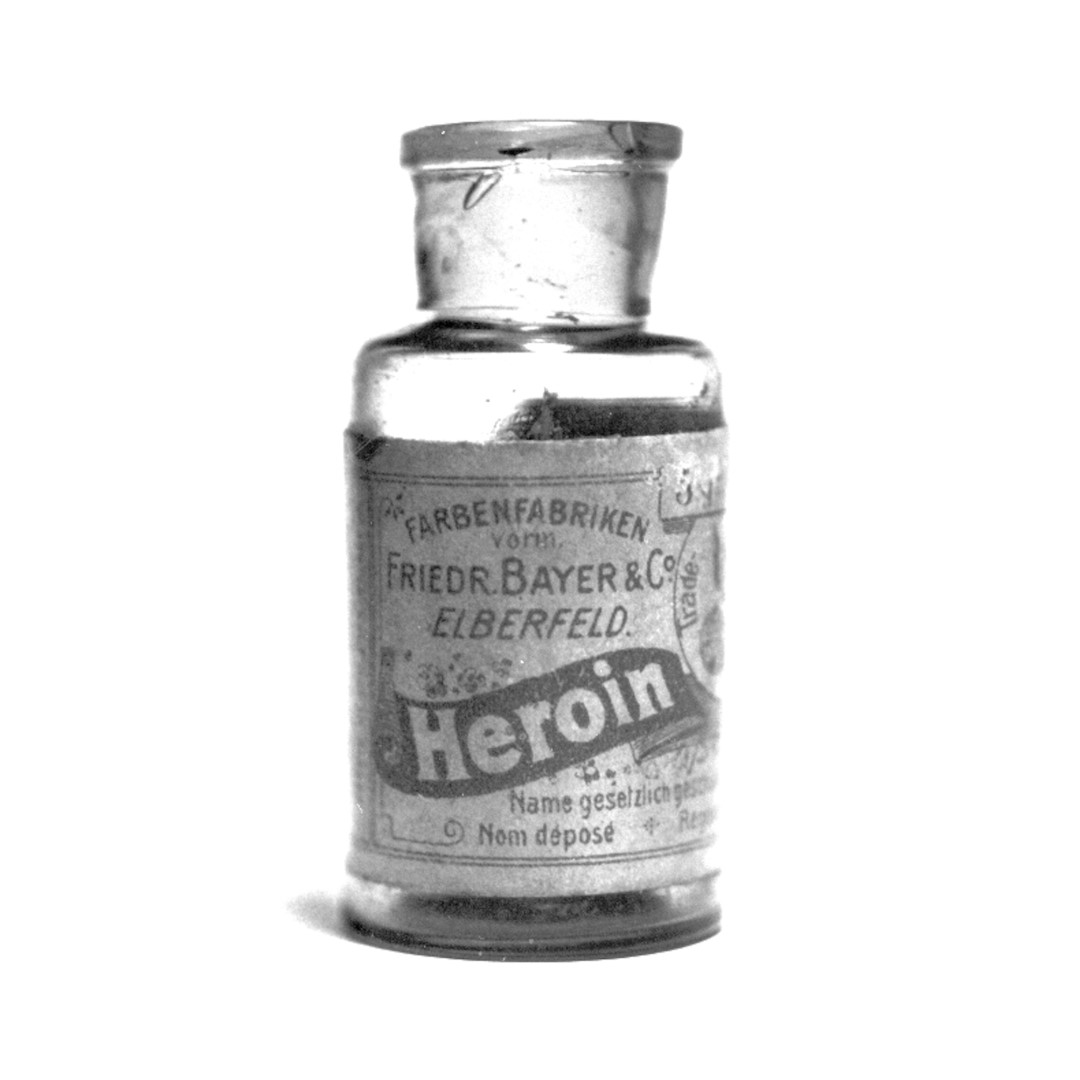
German chemist Felix Hoffmann synthesized aspirin and heroin
On Aug. 10, 1897, German chemist Felix Hoffmann searching for something to relieve his father’s arthritis synthesized acetylsalicylic acid (ASA) aspirin and heroin, and Bayer began to market the substance as Aspirin. Acetylsalicylic acid was originally made from a chemical found in the bark of willow trees.
It was mostly by chance that he made a discovery of historic significance. By acetylating salicylic acid with acetic anhydride, he succeeded in creating acetylsalicylic acid (ASA) in a chemically pure and stable form. The pharmacologist responsible for verifying these results was skeptical at first, yet the extent of this pharmaceutical wonder became clear once several large-scale studies to investigate the substance’s efficacy and tolerability had been completed: Hoffmann had discovered a pain-relieving, fever-lowering and anti-inflammatory substance. The company then worked flat out to develop a cost-effective production process that would allow the promising active ingredient to be supplied as a pharmaceutical product. In 1899 it was launched for the first time under the trade name Aspirin™, initially as a powder supplied in glass bottles. Aspirin™ has made the Bayer name world-famous like no other drug product.
Shortly after the synthesis of acetylsalicylic acid, Hoffmann was made head of the pharmaceutical marketing department. Two years later he was granted full power of attorney. By the time he retired in 1928, his discovery was already a worldwide success. Yet the “inventor” of Aspirin™ remained unknown to the international public. He lived in Switzerland out of the public eye until his death in 1946. Felix Hoffmann was never married and had no children.
Felix Hoffmann is generally recognized for the creating the first synthesized medically forms of heroin and aspirin. However, this is disputed and others believe that Arthur Eichengrun was the real inventor.
Tags:
Source: Bayer AG
Credit: