Highly Pathogenic Avian Influenza Confirmed in Clackamas County, Oregon
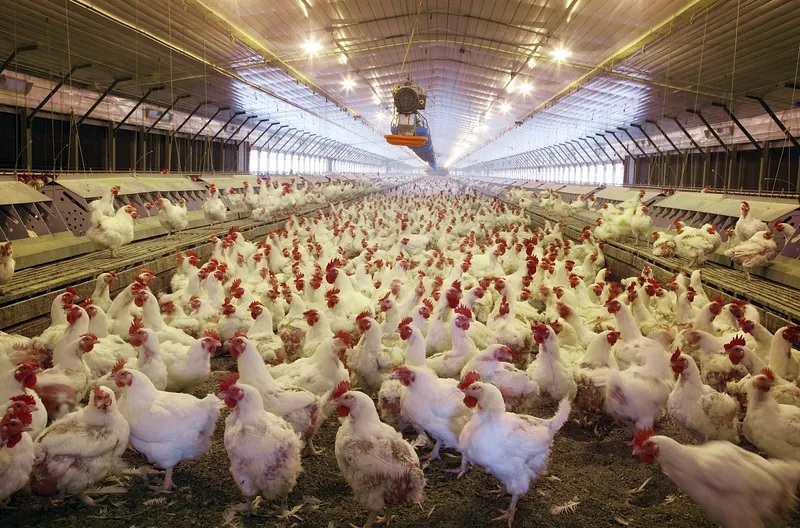
On Nov. 4, 2026, the U.S. Department of Agriculture’s (USDA) National Veterinary Services Laboratories (NVSL) confirmed Highly Pathogenic Avian Influenza (HPAI) in a commercial poultry flock in Clackamas County, Oregon. This is the first confirmed case of HPAI in a commercial poultry flock in Oregon in 2026. Samples from the flock were first tested at the Oregon Veterinary Diagnostic Laboratory (OVDL) at Oregon State University (OSU), which confirmed HPAI on November 2, 2026.
The Oregon Department of Agriculture’s (ODA) State Veterinarian placed the Clackamas County commercial poultry flock under quarantine. None of the animals or animal products on the farm entered the food supply chain. When properly prepared and cooked, poultry meat and egg products remain safe to eat. For details on the active quarantine zone, ODA provides an online map that lets people enter their address to determine whether their property is included in the active quarantine zone where poultry and poultry product movement control measures are in place. The filed quarantine rule is available to view here: Rulemaking at ODA.
HPAI detections are higher in the fall and spring because wild waterfowl spreading the virus migrate to their seasonal homes. Report death or illness in domestic birds to ODA immediately.
This detection does not pose a risk to consumer health or affect the safety of the commercial milk supply. The U.S. Food and Drug Administration is confident that pasteurization is effective at inactivating HPAI virus, and that the commercial, pasteurized milk supply is safe. Dairies are required to send only milk from healthy animals into processing for human consumption; milk from impacted animals is being diverted from the commercial milk tank or destroyed so that it does not enter the human food supply.
According to the U.S. Centers for Disease Control and Prevention (CDC), HPAI viruses circulating in birds and U.S. dairy cattle pose a low risk to the general public in the United States. However, people who have job-related or recreational exposures to infected birds or mammals are at higher risk of infection and should take appropriate precautions outlined in CDC guidance.
Tags:
Source: U.S. Department of Agriculture
Credit: