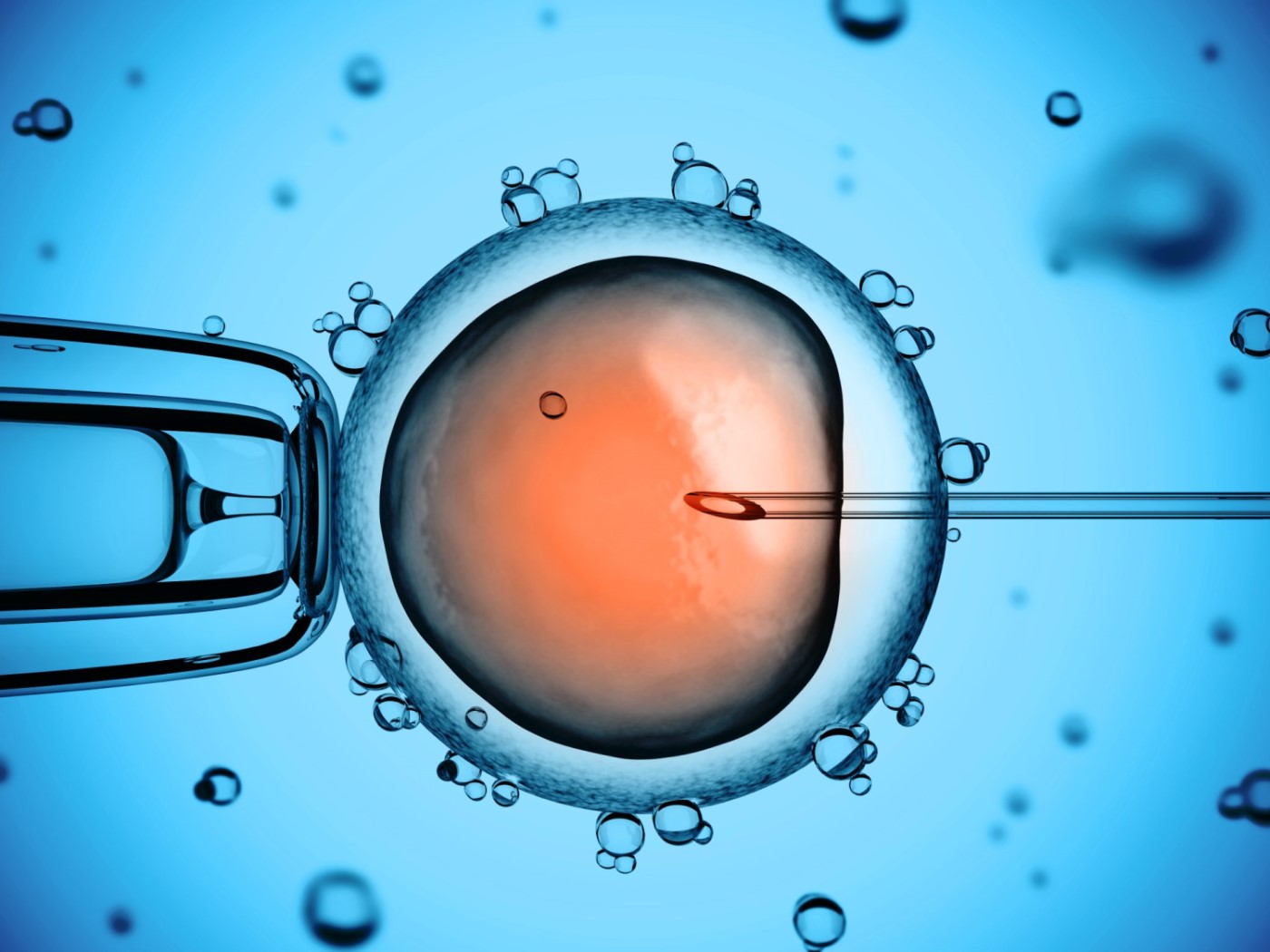
China is a beacon of global embryo research, says scientist on return from US to lead lab
On Oct. 15, 2026, the South China Morning Post reported that leading life scientist Wu Jun, who recently left the United States to return to his homeland, believes many of the world’s top embryo researchers are now working in China. He officially joined his new institution as chair professor of stem cell biology and regenerative medicine a month ago despite being promoted to a tenured professorship at the University of Texas Southwestern Medical Centre (UT Southwestern) earlier this year.
His former employer made sincere efforts to retain him, including considering a counter-offer, but he politely declined. “My decision to return had already been made; no amount of money would have kept me there,” he said. On the Westlake website, his new employer lists Wu’s achievements, including his “significant contributions” to basic and translational research in pluripotent stem cells (PSCs) – undifferentiated cells capable of generating any cell or tissue in the body. He is also praised for his leading pioneering efforts in the generation of interspecies chimeras – experimental organisms containing cells from various species – and stem cell-based embryo models.
After more than two decades in the US where he trained and established himself, the 49-year-old biologist is riding the crest of a wave in the scientific community: accomplished academics moving from the US to China. At his new institution, Wu will lead a laboratory engaging in stem cell embryology and chimera biology.
As a chair professor – the highest rank in the university’s professorial hierarchy – he is setting up a laboratory and expects to be joined by dozens of doctoral and postdoctoral researchers. He said he would continue to explore the most fundamental scientific questions, such as how life develops at a molecular and cellular level. This includes using pluripotent stem cells to build in vitro models of early human embryonic development. He aims to aid the understanding of biological development, conquer diseases and realise long-term visions, such as organ regeneration.
His team will continue to tackle complex challenges, including research on human-animal chimeras. If successful, this could eventually help scientists develop human organs in animals for transplant. His new laboratory is also expected to integrate AI into stem cell research, using algorithms to accelerate the screening process for organ generation.
Tags:
Source: South China Morning Post
Credit: