Menopause Leaves a Fingerprint that May Predict Dementia Risk
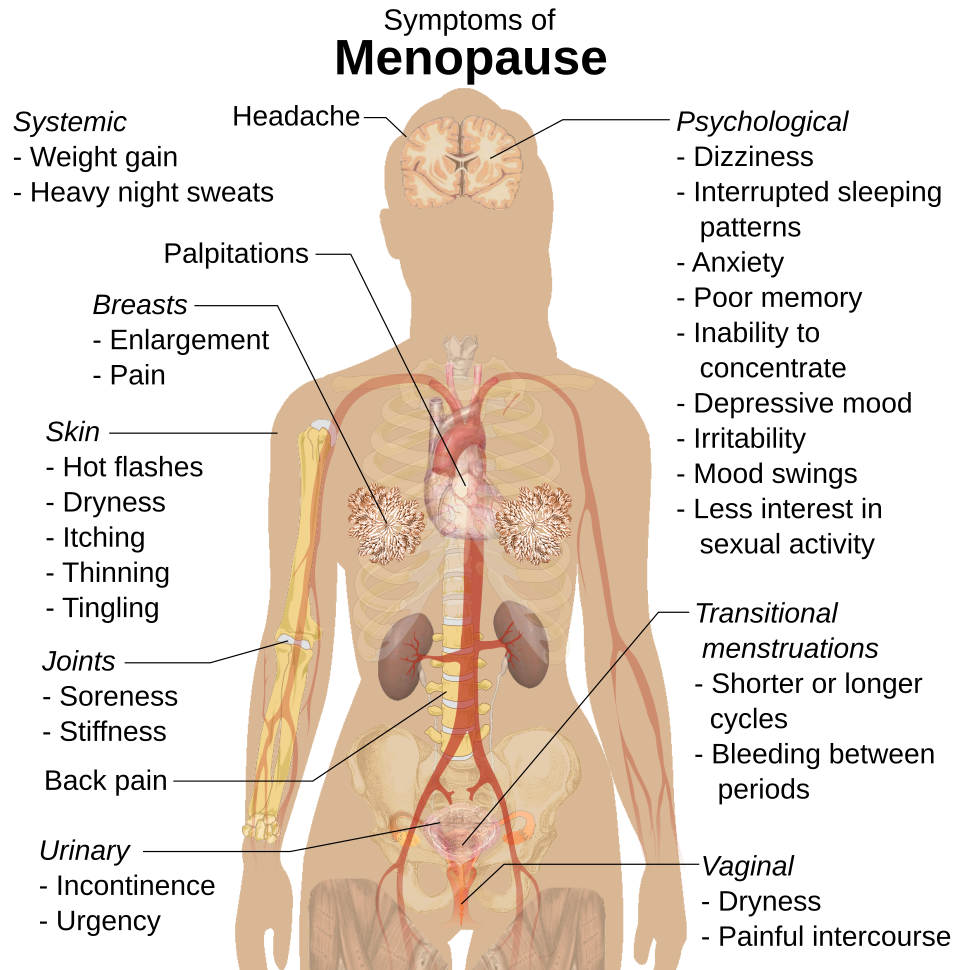
On Oct. 1, 2026, researchers at the University of California, San Francisco (UCSF) have found that as women go through menopause, they often have the sense that it’s not just their body changing but also their mind. They report hot flashes, anxiety, brain fog, and trouble sleeping — all symptoms that can trace back to the brain. As women go through menopause, they often have the sense that it’s not just their body changing but also their mind. They report hot flashes, anxiety, brain fog, and trouble sleeping — all symptoms that can trace back to the brain.
In a new study published in Nature Medicine, they discovered how the levels of 16 molecules in the blood — all of which are linked to brain aging — rise during the midlife menopause transition. In older women, higher levels of the same molecules were associated with worse memory and diminished thinking skills — as well as Alzheimer’s disease risk — suggesting that the biology of menopause may set the stage for brain health decades later.
“We don’t think that menopause is directly causing dementia,” said Kaitlin Casaletto, PhD, an associate professor at the UCSF Fein Memory and Aging Center and co-senior author of the study. “But it’s possible that we may be able to predict a woman’s risk for dementia decades later by the levels of these molecules around menopause.”
Two-thirds of people with Alzheimer’s disease are women, and the disparity can’t just be explained by the longer average lifespan of women compared to men. Yet studies have not pinned down exactly what it is about women’s biology or how they age that makes them more prone to dementia.
What is known is that the earliest brain changes associated with Alzheimer’s disease begin decades before symptoms appear. For women, this points toward a critical window right around the time of menopause — the cessation of menstrual periods that occurs at an average age of 51. This led Casaletto and her colleagues to wonder whether something shifted in some women’s brains during menopause that could teach us about dementia risk and resilience.
But menopause is not a single moment; it unfolds over years, as hormone levels begin to change and symptoms emerge as early as a decade before that final menstrual cycle and last for years afterward. Casaletto’s group set out to map what changes when it comes to brain health across this entire timespan.
Using a commercially available research blood test that measures more than a hundred molecules linked to brain health, the team identified 16 molecules whose levels shifted throughout menopause. Each molecule’s levels were more closely associated with one or more hormone levels than with a woman’s exact age, suggesting that it was menopause — not just aging — that triggered the changes.
Molecules linked with inflammation tended to rise as levels of the hormone estradiol decreased, while a separate group of molecules linked to Alzheimer’s biology rose as follicle-stimulating hormone (FSH) levels increased. The findings were replicated in an analysis of previously collected data from more than 2,800 women in the UK Biobank.
When the scientists looked at levels of the same molecules in women in their 60s and early 70s — using data on almost 12,000 women from four previous studies — they found that older women who had the highest levels of those molecules had worse memory and a 15% higher risk of developing Alzheimer’s disease as they aged.
The team’s eventual goal, they said, is to develop a blood test that can act as an early-warning sign of dementia risk — the same way cholesterol tests are used to gauge heart disease risk. This could let clinicians identify people who, in midlife, might benefit from early interventions.
Casaletto, in collaboration with other scientists from around the country, is now launching the Longitudinal Menopause Project, which will enroll its first participants next month and track women through the full menopause transition with twice-yearly blood draws and brain MRIs, cognitive testing, wearables, and smartphone-based monitoring.
Tags:
Source: University of California, San Francisco
Credit: