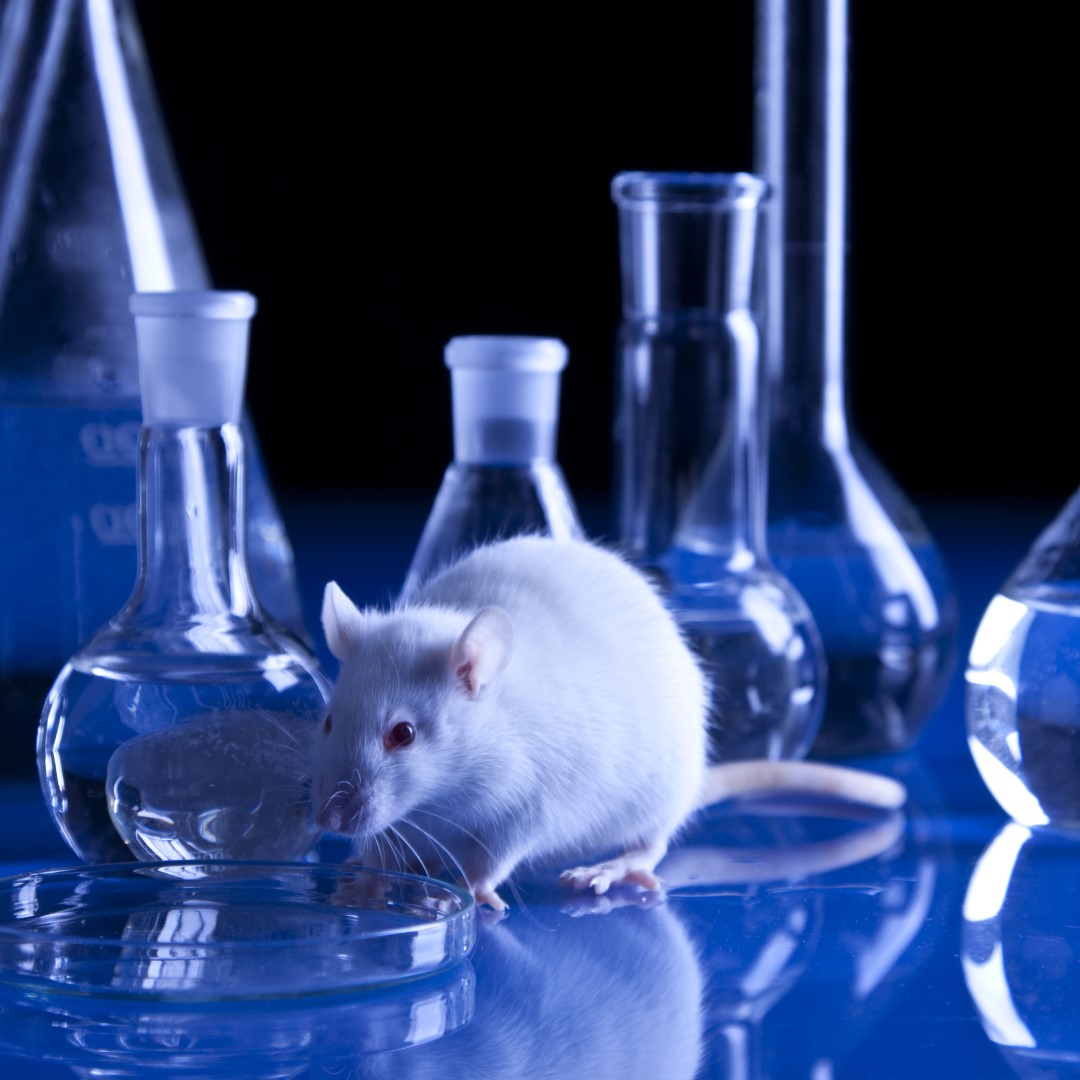
HHS Accelerates Shift to Human-Based Research, Reduces Reliance on Animal Testing
On Sept. 21, 2026, the U.S. Department of Health and Human Services (HHS) announced a new wave of agency-wide actions to accelerate the shift toward human-based research methods and reduce unnecessary animal testing, advancing a coordinated effort to modernize how the federal government conducts, funds, and evaluates biomedical research. The U.S. Food and Drug Administration (FDA) issued a direct final rule updating its regulations to remove references to animal testing and implement the FDA Modernization Act.
The National Institutes of Health (NIH) announced a series of investments and initiatives to build the infrastructure needed to develop, validate, and scale human-based research, including:
- More than $88 million in funding for biomedical infrastructure projects nationwide;
- A new challenge offering more than $7 million in awards to demonstrate how quantum-enabled approaches can improve detection and measurement in lab-based New Approach Methodologies (NAMs);
- A state-of-the-art laboratory at the NIH Clinical Center that will integrate standardized human organoid models, robotics, artificial intelligence, and advanced data capabilities to enable experiments on reproducible human biological systems;
- An initiative to recruit grant reviewers with expertise in human-based science; and
- A new request for information from the scientific community to assess the feasibility of an annual public report tracking the number of vertebrate animals used in NIH-funded research.
NIH is expanding the scientific infrastructure needed to develop, validate, and scale human-based research methods. These efforts build on NIH’s establishment of the Office of Research Innovation, Validation, and Application, which coordinates NIH-wide efforts to advance human-based approaches and support their transition into biomedical research. NIH has also closed its last intramural beagle laboratory and allows grant funding to be used to retire or rehome research animals.
FDA is modernizing its regulatory approach to give drug developers greater ability to use scientifically validated alternatives to animal testing. The agency has issued multiple guidances designed to reduce animal studies in drug development, including changes expected to spare hundreds of non-human primates and more than one million horseshoe crabs annually. FDA has also established new programs to evaluate and integrate NAMs into regulatory decision-making.
The Centers for Disease Control and Prevention (CDC) is substantially reducing its laboratory animal colony and has established additional review to ensure proposed animal research aligns with CDC’s mission and identified public health needs. CDC is working to permanently place healthy non-human primates in a qualified sanctuary and is conducting more than a dozen studies using NAMs to advance the nation’s ability to rapidly respond to public health threats.
The Advanced Research Projects Agency for Health (ARPA-H) is investing in artificial intelligence and computational modeling through its CATALYST program to better predict drug safety, optimize dosing, and reduce reliance on preclinical animal testing.
Tags:
Source: U.S. Department of Health and Human Services
Credit: