Scientists identify new role for tau protein in brain diseases
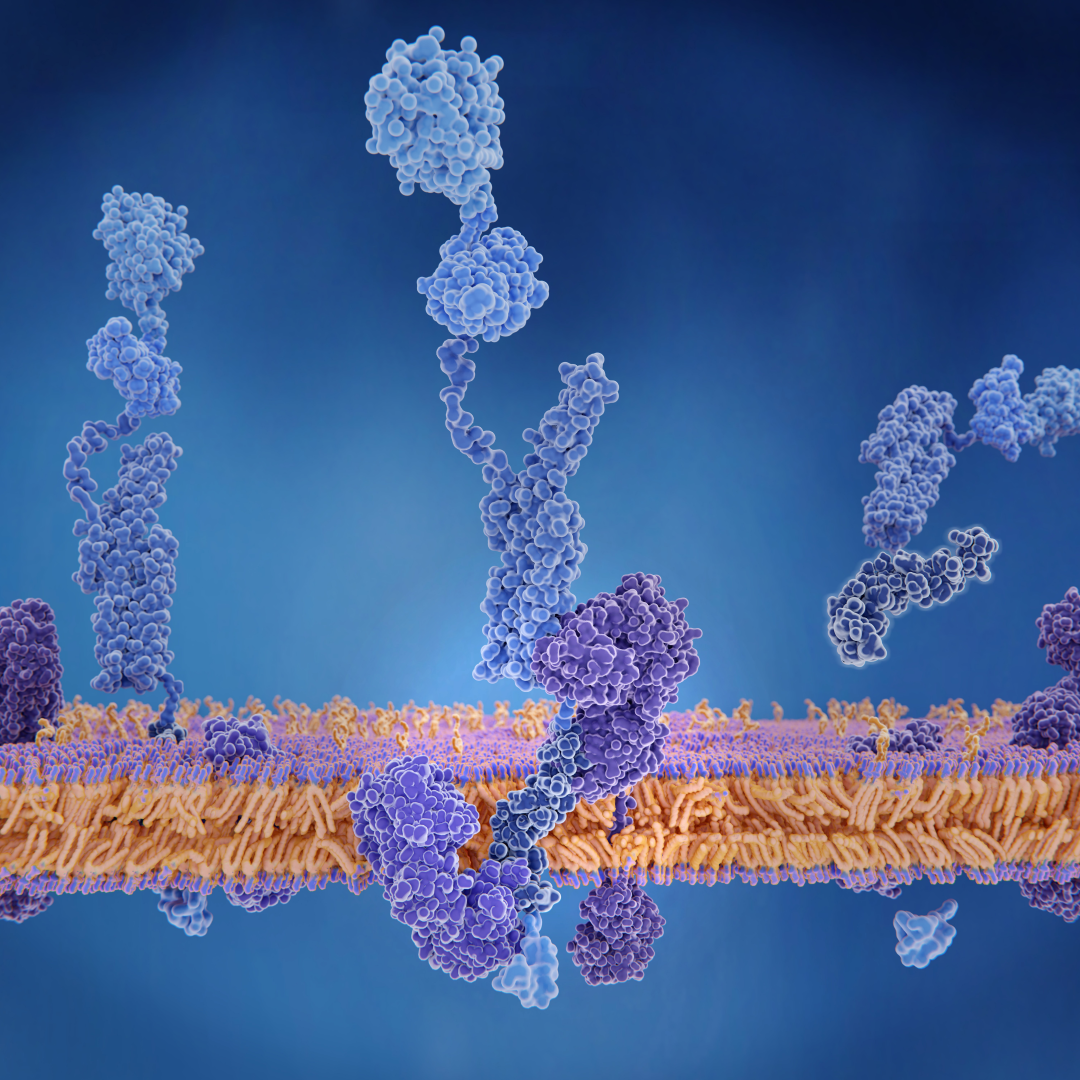
On Sept. 8, 2026, researchers from the National Institutes of Health (NIH) found that hyperphosphorylated tau activates reverse electron transport. Reverse electron transport, in turn, drives enzymes (violet) to add phosphate groups (yellow) to tau protein (red), causing further disruptions in the cell.
Tau is a protein that occurs naturally in the brain, where it helps neurons function properly and communicate. But the abnormal buildup of tau is a hallmark of neurodegenerative diseases called tauopathies. Examples include frontotemporal dementia and Alzheimer’s disease.
In tauopathies, tau becomes overly phosphorylated, meaning too many groups of atoms called phosphates are added to it. These hyperphosphorylated tau proteins stick together and form tangles that are toxic to brain cells. Another common feature of tauopathies is a defect in how cells generate energy. The transfer of electrons along a series of molecules drives energy production in cellular structures called mitochondria. Certain conditions such as aging or stress can cause the electron transfer in this chain to reverse course. This reverse electron transport process can damage cells.
Previous studies have found a connection between tau and mitochondrial function. But it’s unclear how abnormal tau disrupts mitochondrial function, brain aging, and neurodegeneration. To understand whether hyperphosphorylated tau plays a role in reverse electron transport, the researchers studied fly, mouse, and human cell models of tauopathy. They found that reverse electron transport was activated in tauopathy. Depleting tau from cells inhibited this process.
They also found that phosphorylated tau entered mitochondria in mouse brains. There, phosphorylated tau interacted with a part of the electron transport chain. This changed interactions among mitochondrial proteins and activated reverse electron transport. Stress alone failed to induce this activation in mice and flies lacking tau.
Elevated reverse electron transport also drove hyperphosphorylation, creating a harmful feedback loop. In an attempt to interrupt that loop, researchers used a specific compound to inhibit reverse electron transport. In fruit flies and mice, the compound reduced motor and memory deficits caused by tauopathy. It also lowered tau-induced neurodegeneration and inflammation. In cultured human nerve cells with mutations that promote tauopathy, it protected the cells against stress.
The results suggest a role for tau as a regulator of reverse electron transport. Inhibiting reverse electron transport appears to reduce the neurotoxic effects of tau in animal models. Targeting reverse electron transport might help to treat many diseases involving tau.
Tags:
Source: U.S. National Institutes of Health
Credit: