Last cell standing: world-first discovery uncovers how glioblastoma tumours dodge chemotherapy
On Dec. 16, 2025, University of Sydney scientists in a world-first published research that has uncovered a mechanism that may explain why glioblastoma returns after treatment, offering new clues for future therapies which they will now investigate as part of an Australian industry collaboration.
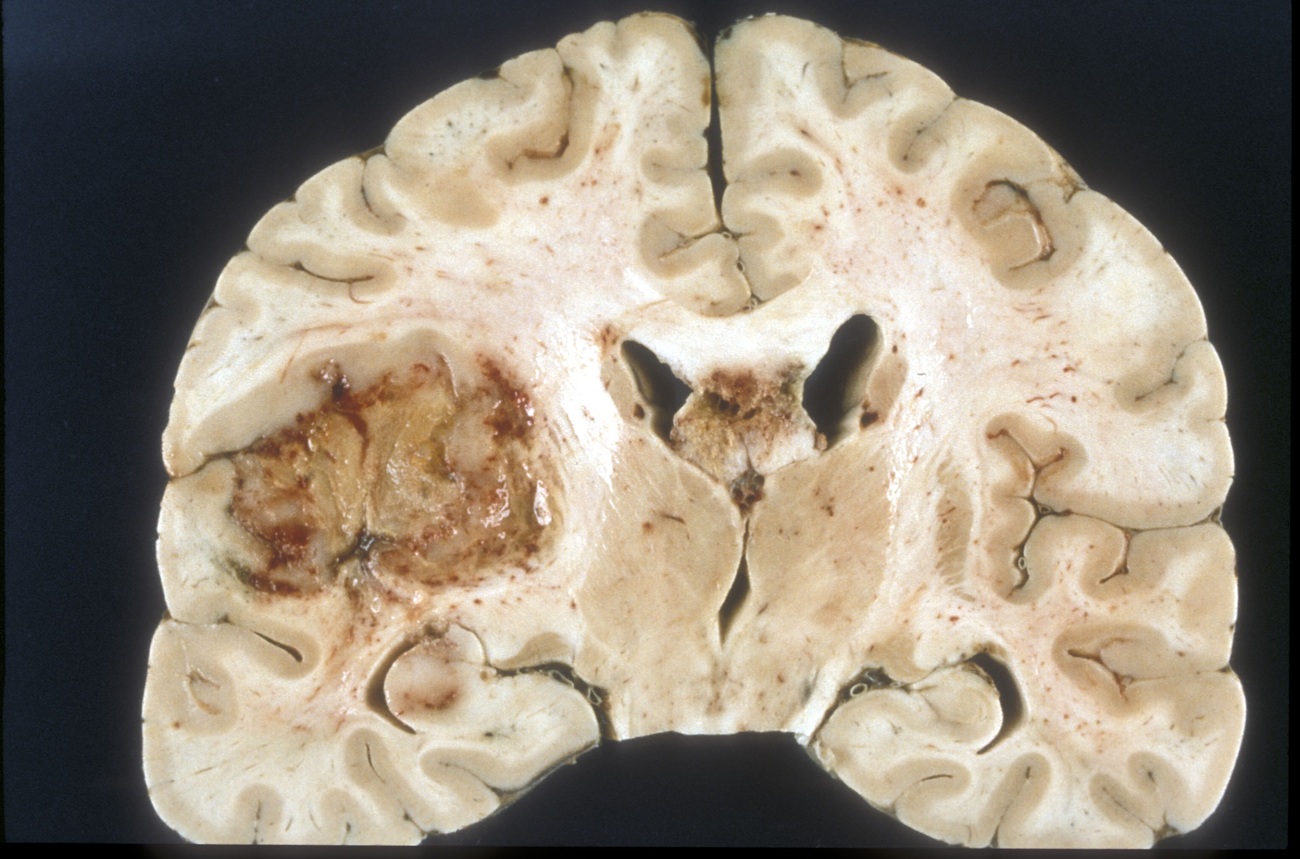
Glioblastoma is one of the deadliest brain cancers, with a median survival rate of just 15 months. Despite surgery and chemotherapy, more than 1250 clinical trials over the past 20 years have struggled to improve survival rates.
Published in Nature Communications, the study shows that a small population of drug-tolerant cells known as “persister cells” rewires its metabolism to survive chemotherapy, using an unexpected ally as an invisibility cloak: a fertility gene called PRDM9.
The researchers are now working with Australian biotech company Syntara to develop PRDM9 inhibitors for further testing in animal models, with the hope to eventually progress to human studies. The next steps are to determine whether these inhibitors can eliminate persister cells and prevent glioblastoma from returning. Trialling this in humans is likely several years away, pending successful completion of preclinical safety and efficacy studies.
Accounting for about half of all brain tumours, glioblastoma claims the lives of up to 200,000 people globally and around 1000 Australians each year. Even after surgery, radiation and chemotherapy, recurrence is almost universal. Clinicians call this “minimal residual disease”, meaning the few hidden cancer cells that survive treatment eventually regrow the tumour.
The team also developed a new brain-penetrant chemotherapy drug, WJA88, and paired it with a cholesterol-lowering agent already tested in humans. This combination shrank tumours and extended survival in preclinical models with minimal side effects.
The researchers say this is the first time PRDM9 has been linked to cancer, potentially opening the door to safer, more targeted treatments.
Tags:
Source: University of Sydney
Credit: