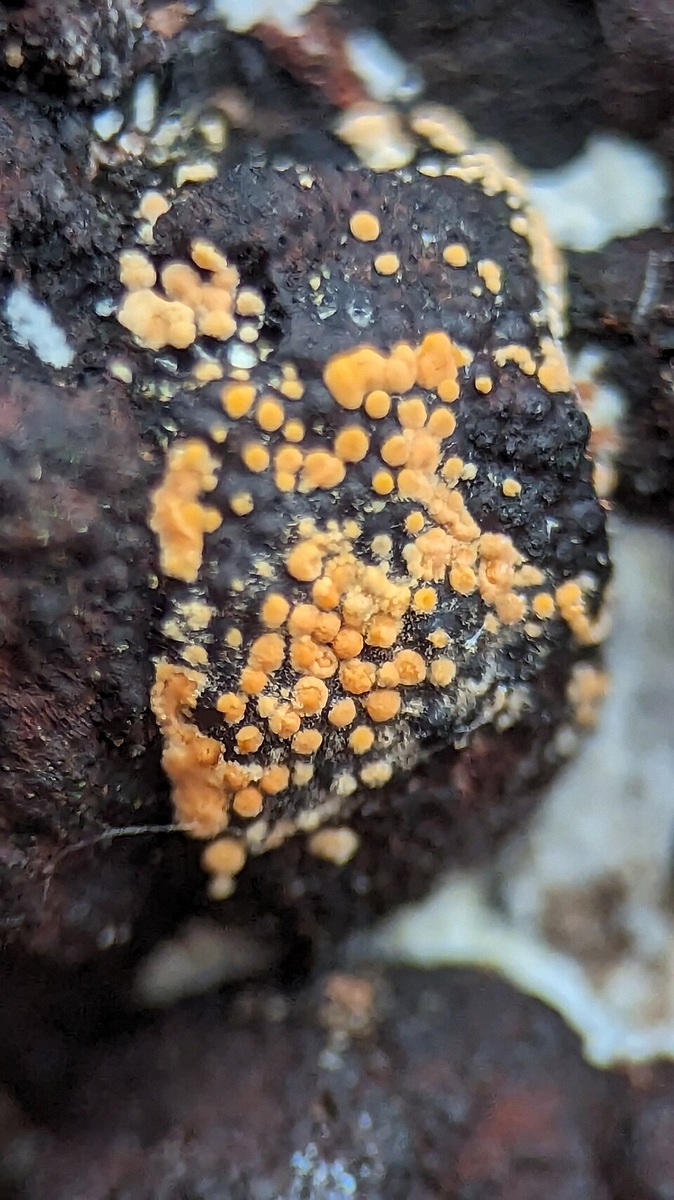
Montana State University-led team finds new type of fuel in Patagonia fungus
On Nov. 3, 2008, a team led by a Montana State University professor has found a fungus that produces a new type of biofuel, which they say holds great promise.
Coining the term Mycodiesel™ to identify this biofuel, Gary Strobel and his collaborators describe their initial observations in the November issue of Microbiology, which carries a photo of the fungus on its cover. The discovery may offer an alternative to fossil fuels, said Strobel, MSU professor of plant sciences and plant pathology. The find is even bigger, he said, than his 1993 discovery of fungus that contained the anticancer drug taxol.
Strobel, who travels the world looking for exotic plants that may contain beneficial microbes, found the biofuel-producing fungus in a Patagonia rainforest. Strobel visited the rainforest in 2002 and collected a variety of specimens, including the branches from an ancient family of trees known as “ulmo.” When he and his collaborators examined the branches, they found fungus growing inside. They continued to investigate and discovered that the fungus, called Gliocladium roseum, was producing gases. Further testing showed that the fungus — under limited oxygen — was producing a number of compounds normally associated with diesel fuel, which is obtained from crude oil.
Strobel doesn’t know when drivers will fill their gas tanks with this fungus-derived biofuel or if processors can make enough to fill the demand. The road to commercialization is filled with potential glitches, he said. It’s also a major endeavor that will be left to others who specialize in those areas.
This biofuel could be an option for those who want alternatives even to ethanol, however, Strobel said. Some car manufacturers who shun ethanol might consider this fungus-derived biofuel or fuels produced by other microbes.
Tags:
Source: Montana State University
Credit: