University of Florida launches leprosy research team as Florida cases increase
On Nov. 2, 2023, amid a growing number of leprosy cases in Florida and the U.S., the University of Florida’s Emerging Pathogens Institute (EPI) has formed a multi-disciplinary research team to help resolve unanswered questions about the disease’s transmission and risk.
Leprosy, also known as Hansen’s disease, is on a gradual rise nationally, with about 150 to 200 new cases diagnosed each year. Florida ranks among the states with the highest incidence of the disease, with 263 confirmed cases from 2002 to 2022, according to the Florida Department of Health. Seventy of these cases were acquired locally.
Hansen’s disease is a potentially disfiguring illness that attacks the skin and peripheral nervous system. Symptoms can include skin abnormalities such as lesions and nodules, loss of feeling and thickened nerves. It is caused by the bacteria Mycobacterium leprae and, more rarely, M. lepromatosis. Despite being the oldest documented human disease, many of leprosy’s basic characteristics, including how it is transmitted, remain unclear.
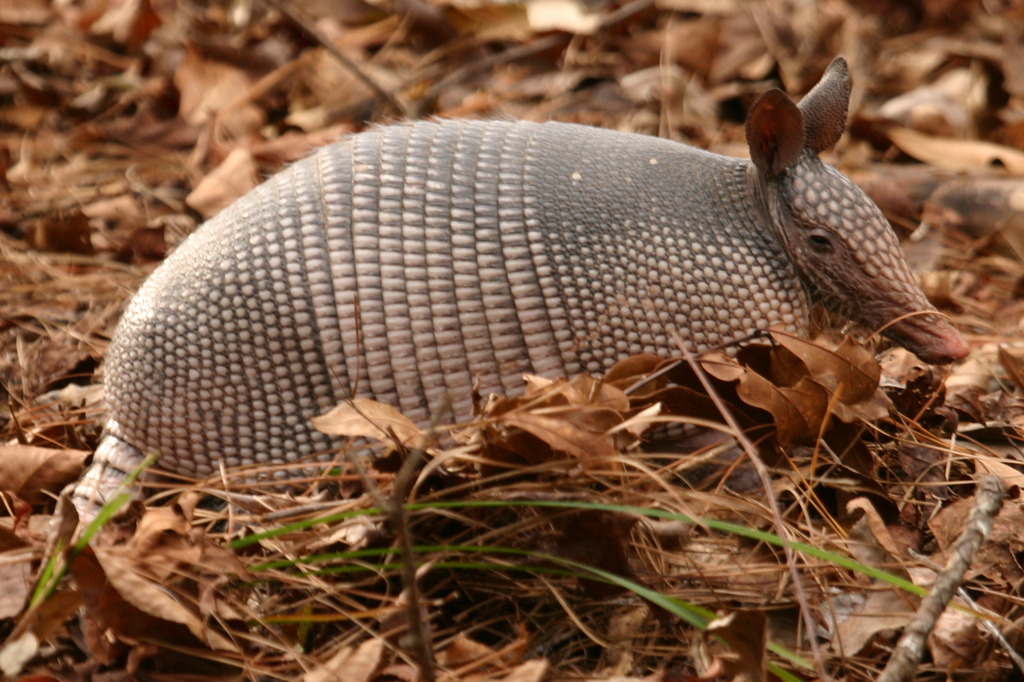
EPI has convened a group of experts to research the illness using a One Health approach, a way of studying disease that explores the links between people, animals and the environment. In Florida and other parts of the U.S., armadillos are a reservoir for the bacteria that cause Hansen’s disease and likely play a role in its spread. Florida patients diagnosed with leprosy are predominantly white men in their 60s, and many spent significant time outdoors for work or recreation.
EPI scientists will assess whether M. leprae is found in Florida’s environment and how armadillos may influence disease transmission. They will also study why Brevard County has a markedly higher incidence of the disease. FDOH data show that Brevard accounts for 40 of the state’s 74 leprosy cases from 2019-2022, far outstripping the county with the second-highest number – Polk County with four.
Contrary to popular belief, leprosy is rare, difficult to transmit and treatable. An estimated 95-97% of people are naturally immune to the illness. People diagnosed with Hansen’s disease are prescribed a combination of antibiotics – most commonly moxifloxacin, minocycline and rifampin – for one to two years. After beginning antibiotics, patients are no longer infectious, and for many, symptoms are completely reversible.
While Hansen’s disease is more common in Brazil, Central Africa, India and Southeast Asia, Fairley said her clinic is seeing higher numbers of U.S.-born patients over time, indicating that the disease is being transmitted Stateside. Leprosy’s long incubation period makes it difficult to trace a patient’s source of infection, and M. leprae and M. lepromatosis cannot be grown in the laboratory, complicating the study of the pathogens. Researchers are also unsure of the exact mechanism of leprosy’s transmission. It is commonly thought transmission can occur after prolonged contact with another infected person or exposure to an infected armadillo or contaminated soil, but scientists have been unable to pinpoint the pathogen’s exact route.
Tags:
Source: University of Florida
Credit: