A protein found in human sweat may protect against Lyme disease
On Mar. 19, 2024, researchers at Massachusetts Institute of Technology (MIT) and the University of Helsinki have now discovered that human sweat contains a protein that can protect against Lyme disease. They also found that about one-third of the population carries a genetic variant of this protein that is associated with Lyme disease in genome-wide association studies.
It’s unknown exactly how the protein inhibits the growth of the bacteria that cause Lyme disease, but the researchers hope to harness the protein’s protective abilities to create skin creams that could help prevent the disease, or to treat infections that don’t respond to antibiotics.
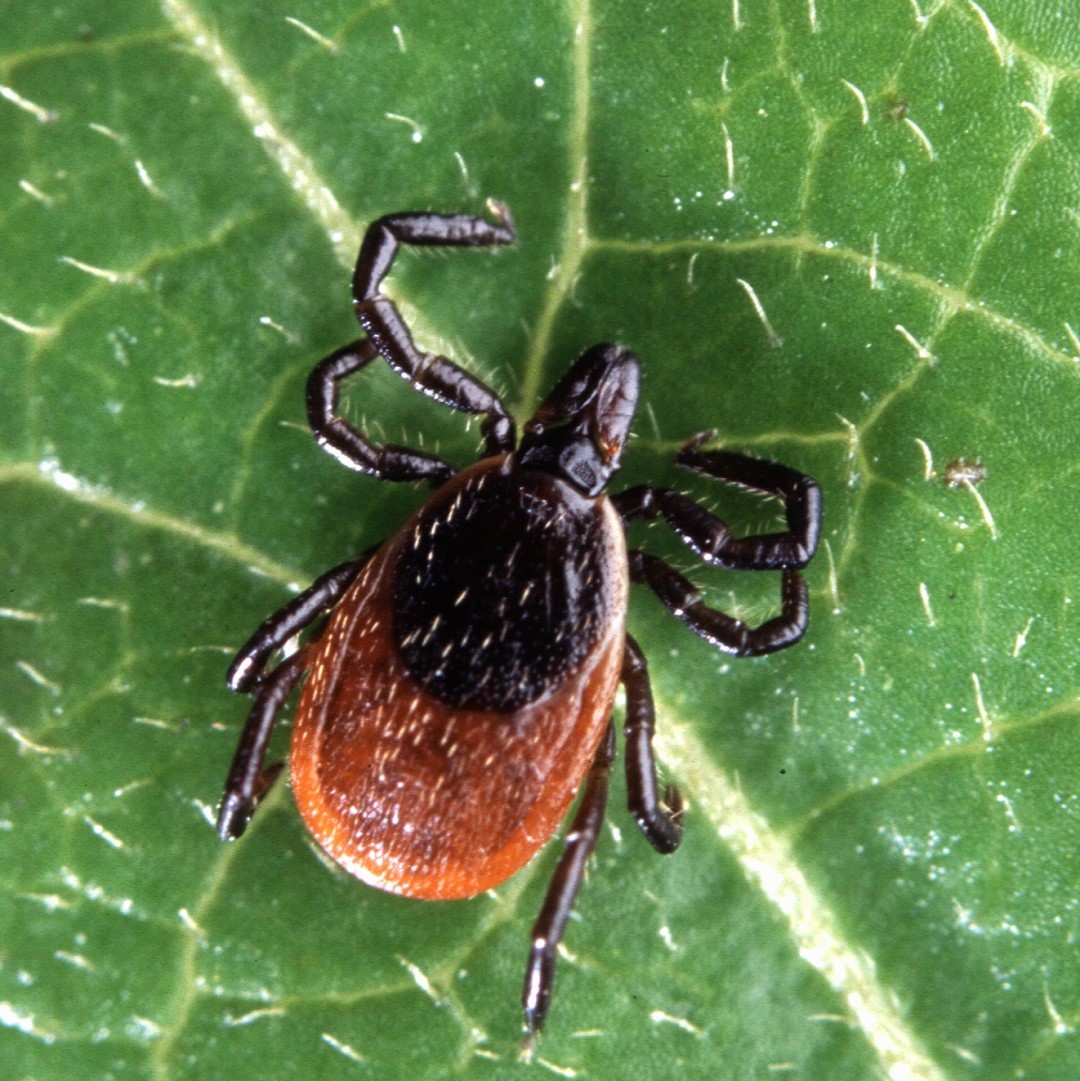
Lyme disease is most often caused by a bacterium called Borrelia burgdorferi. In the United States, this bacterium is spread by ticks that are carried by mice, deer, and other animals. Symptoms include fever, headache, fatigue, and a distinctive bulls-eye rash.
Most patients receive doxycycline, an antibiotic that usually clears up the infection. In some patients, however, symptoms such as fatigue, memory problems, sleep disruption, and body aches can persist for months or years.
This dataset includes about 7,000 people who had been diagnosed with Lyme disease, allowing the researchers to look for genetic variants that were more frequently found in people who had had Lyme disease, compared with those who hadn’t.
This analysis revealed three hits, including two found in immune molecules that had been previously linked with Lyme disease. However, their third hit was a complete surprise — a secretoglobin called SCGB1D2.
Secretoglobins are a family of proteins found in tissues that line the lungs and other organs, where they play a role in immune responses to infection. The researchers discovered that this particular secretoglobin is produced primarily by cells in the sweat glands.
To find out how this protein might influence Lyme disease, the researchers created normal and mutated versions of SCGB1D2 and exposed them to Borrelia burgdorferi grown in the lab. They found that the normal version of the protein significantly inhibited the growth of Borrelia burgdorferi. However, when they exposed bacteria to the mutated version, twice as much protein was required to suppress bacterial growth.
The researchers then exposed bacteria to either the normal or mutated variant of SCGB1D2 and injected them into mice. Mice injected with the bacteria exposed to the mutant protein became infected with Lyme disease, but mice injected with bacteria exposed to the normal version of SCGB1D2 did not.
Tags:
Source: Massachusetts Institute of Technology
Credit: