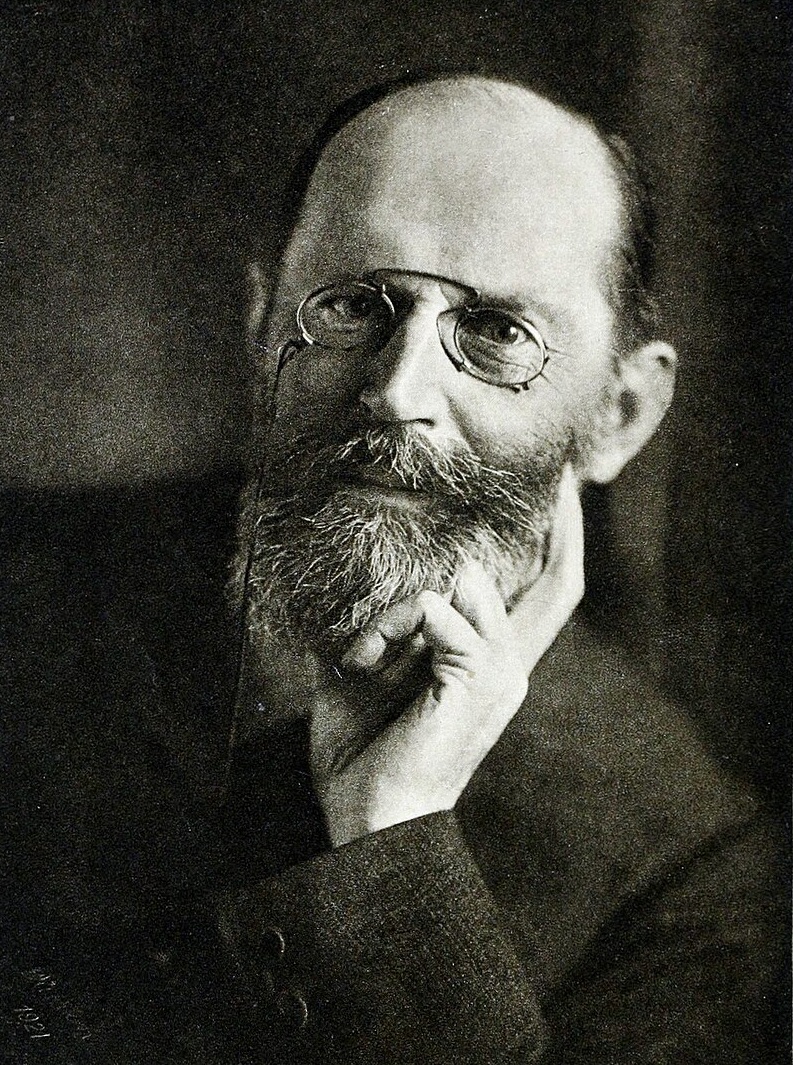
Emil Fischer Coined the Term ‘Peptide’
On Sept. 22, 1902, Emil Fischer introduced the name peptides (from pepsis = digestion or peptones = digestion products of proteins). The term ‘peptides’ denotes relatively small compounds which resemble proteins except that the latter are higher molecular weight substances. Thus, the molecules built up of 50 or more amino acids are generally regarded as proteins and those containing fewer amino acids are denoted as peptides. The chemical synthesis of peptides, as envisaged by Fischer, involves the reproduction or perhaps recreation of Nature’s molecules.
Five years later, in January 1906, in his famous lecture at the Deutsche Chemische Gesellschaft at Berlin, Fischer gave an illuminative review of the efforts of his school in peptide synthesis, which stimulated speculations on the imminent availability of synthetic living matter. He eventually succeeded (with Axhausen) in synthesizing an impressive octadecapeptide, L-Leu-(Gly)3-L-Leu-(Gly)3-L-Leu-(Gly)8-Gly. Due to the nonavailability of a method for removing the benzoyl or acetyl groups, Fischer employed the first urethane type protecting ethoxycarbonyl group (C2H5OCO) with the hope of removing it from the amino nitrogen by reaction with mild alkali. He was able to perform peptide coupling at the carboxyl group, by preparing amino acid chloride hydrochlorides.
Introduction of the amino protecting benzyloxycarbonyl group in 1932 by Max Bergmann and Leonidas Zervas coupled with improvements in the methods of peptide bond formation, culminated in the chemical synthesis of the oligopeptide hormone oxytocin by du Vigneaud in 1953. The discovery of a method for sequencing of amino acids in polypeptides and proteins was an epoch-making event in the history of peptide chemistry. From thereon, the synthesis of peptides progressed by leaps and bounds.
Tags:
Source: RESONANCE
Credit: PDF: One Hundred Years of Peptide Chemistry. Courtesy: V V Suresh Babu, Department of Studies in Chemistry, Bangalore University, India.