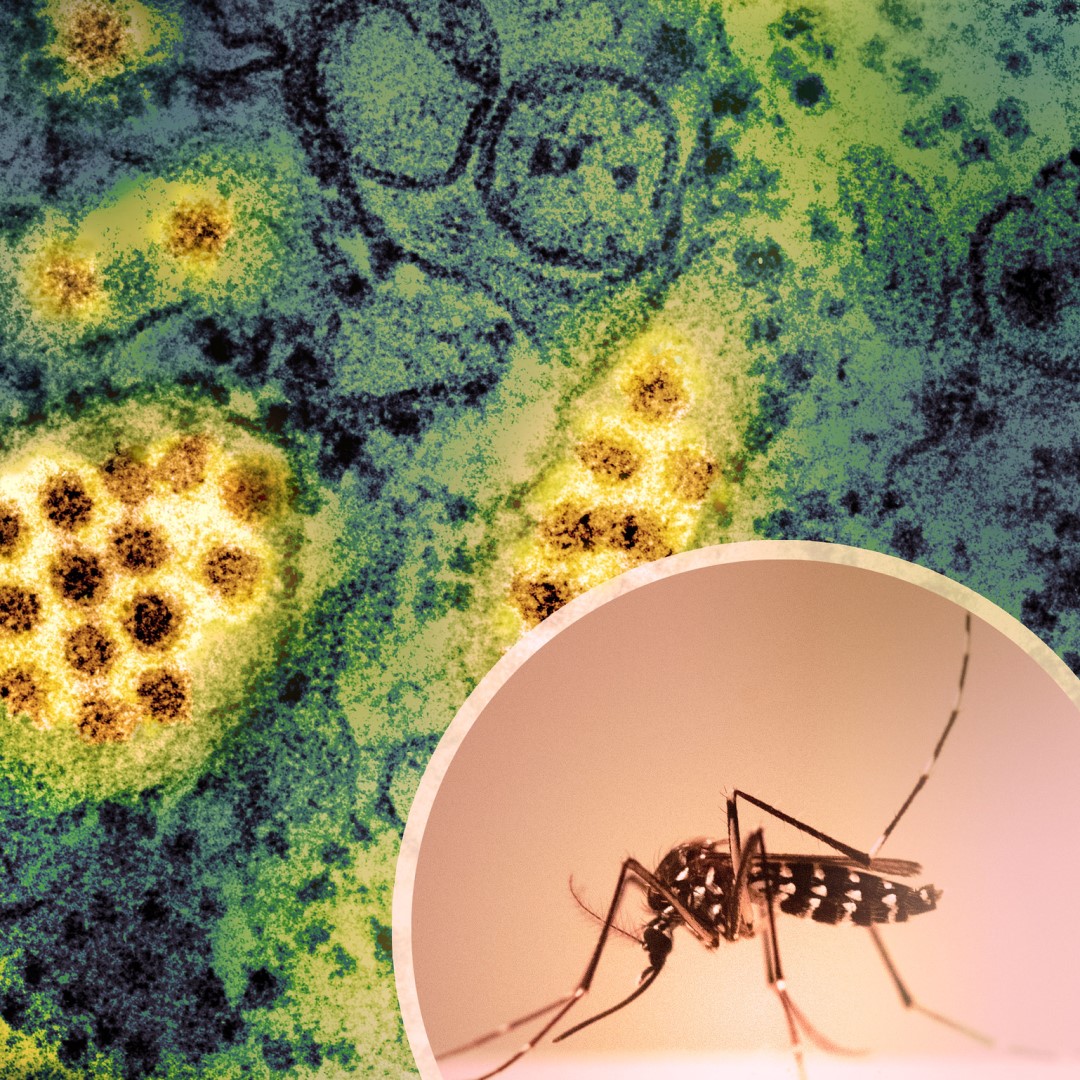
Debug project research reveals Origin and movement of the mosquito Aedes aegypti—which could help disease control Efforts
On Sept. 22, 2025, Debug, a Google initiative to reduce mosquito-borne diseases, announced research that reveals the origin and movement of the mosquito Aedes aegypti—which could help disease control efforts
More than 4 billion people—half of the world’s population—are at risk of contracting dengue, a mosquito-transmitted disease, each year. And global cases are surging: according to the World Health Organization, reported instances of dengue have increased eight-fold in the past 25 years, from 500,000 in 2000 to a historic high of more than 14.6 million in 2024. Severe dengue can wreak havoc on the human body, causing sickness and even death.
While more than 3,500 species of mosquito exist, the Aedes aegypti mosquito is responsible for almost all cases of dengue. Unfortunately, there is no available vaccine that can provide comprehensive protection from the disease. As a result, the only way to limit transmission of dengue and other viral diseases transmitted by this mosquito species, including Zika and chikungunya, is by controlling the Aedes aegypti population itself.
The Debug team and academic colleagues spent the past several years putting together the first comprehensive genomic database that helps to catalogue the history of Aedes aegypti migration across the world and the genetic mutations that occurred along the way. These findings represent a major advancement in our knowledge of Aedes aegypti genomics and our mission of eliminating disease-carrying mosquitoes: providing a platform for both optimizing the implementation of existing vector controls tools and developing novel interventions.
The team published their research in Science, along with the datasets we used to inform our work, in the hopes that other people working on controlling mosquito-borne illnesses may also benefit from these discoveries.
The team sequenced the DNA of these mosquitoes on the Illumina platform and used Google Cloud’s compute power to map the billions of sequencing reads to the genomes of these mosquitoes, identifying millions of common and rare mutations. Demographic analyses based on this mutation database allowed us to pinpoint which regions of the genome were shared between populations, helping to unravel the routes that Aedes aegypti traveled as it invaded the globe and the approximate dates of these migrations.
The Debug project is developing novel technology, powered by artificial intelligence, to raise and release sterile male mosquitoes in order to decrease populations of the ones that carry disease. This recent body of research has the potential to help us accelerate the process of introducing sterile Aedes aegypti into the regions that most urgently need population suppression.
Tags:
Source: Debug Project
Credit: