Lilly’s Kisunla™ (donanemab-azbt) Approved in China for the Treatment of Early Symptomatic Alzheimer’s Disease
On Dec. 17, 2024, Eli Lilly announced that the National Medical Products Administration (NMPA) in China has approved Kisunla™ (donanemab-azbt, 350 mg/20 mL every four weeks injection for IV infusion), Eli Lilly’s Alzheimer’s treatment for adults with early symptomatic Alzheimer’s disease, which includes people with mild cognitive impairment (MCI) as well as people with the mild dementia stage of Alzheimer’s disease who have confirmed amyloid pathology.
China is the fourth major market in which Kisunla has been approved for use, following approvals in the United States, Japan and Great Britain. In China, it is estimated that nearly 6% of people over the age of 65 are living with Alzheimer’s disease and related dementias, with nearly 11% over the age of 65 expected to be living with Alzheimer’s disease by 2050.
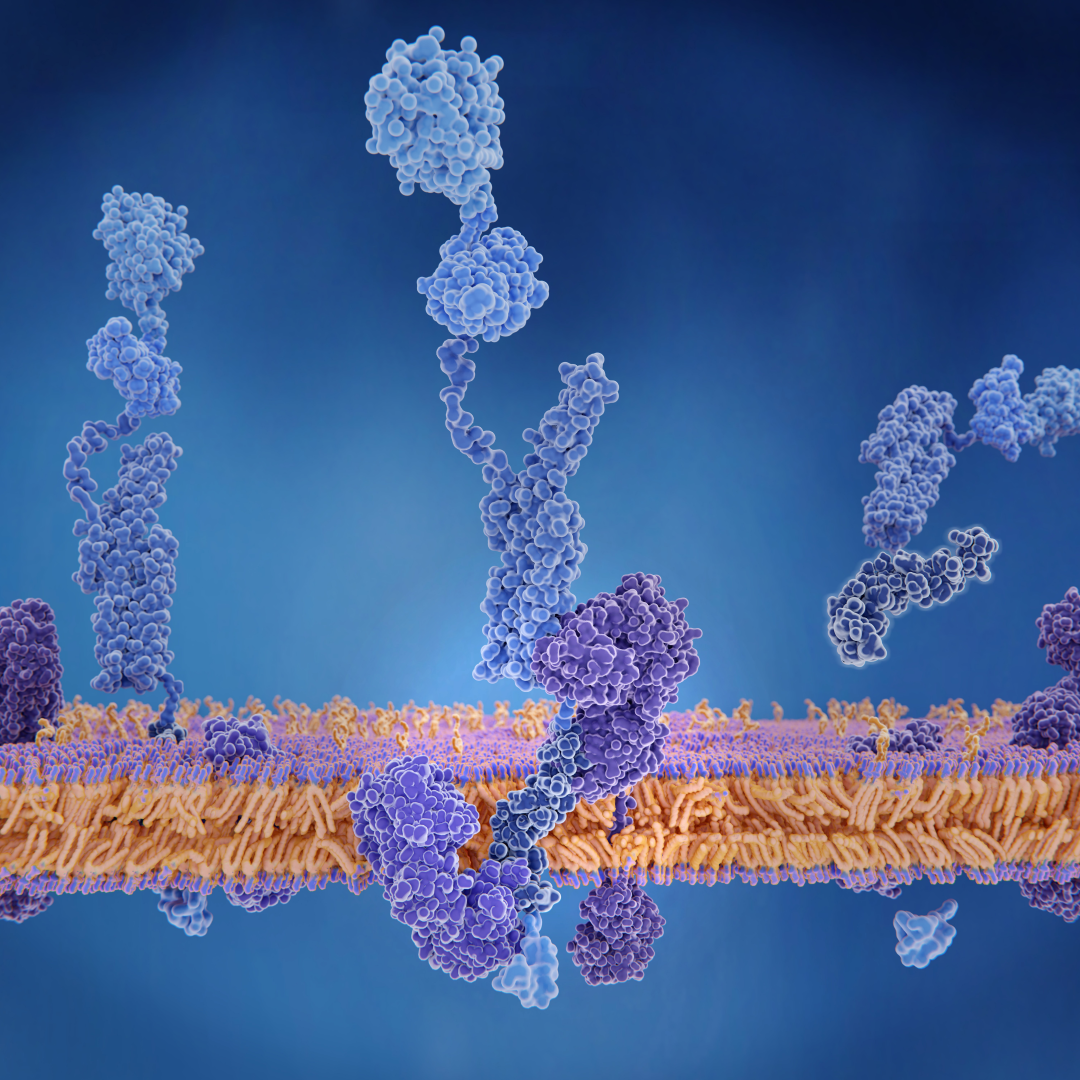
Amyloid is a protein produced naturally in the body that can clump together to create amyloid plaques. Kisunla is an amyloid plaque-targeting therapy that can help the body remove the excessive buildup of amyloid plaques in the brain, which may lead to memory and thinking issues associated with Alzheimer’s disease. Kisunla can help slow the decline that may diminish people’s ability to remember new information, important dates, and appointments; plan and organize; make meals; use household appliances; manage finances; and be left alone. Kisunla is the only amyloid plaque-targeting therapy with evidence to support stopping therapy when amyloid plaques are removed, which can result in lower treatment costs and fewer infusions.
In the TRAILBLAZER-ALZ 2 Phase 3 study, people who were the least advanced in the disease experienced the strongest results with Kisunla. Trial participants were analyzed over 18 months in two groupings: one group who was less advanced in their disease (those with low to medium levels of tau protein) and the overall population, which also included participants with high tau levels. Treatment with Kisunla significantly slowed clinical decline in both groups. Those individuals treated with Kisunla who were less advanced in their disease showed a significant slowing of decline of 35% compared with placebo on the integrated Alzheimer’s Disease Rating Scale (iADRS), which measures memory, thinking, and daily functioning. In the overall population, the response to treatment was also statistically significant using the iADRS at 22%.
Among the two groups analyzed, participants treated with Kisunla had up to a 39% lower risk of progressing to the next clinical stage of disease than those taking placebo. Among the overall population of participants, Kisunla reduced amyloid plaques on average by 61% at 6 months, 80% at 12 months, and 84% at 18 months compared to the start of the study. One of the treatment goals of the study was to remove amyloid plaques to minimal levels consistent with a visually negative scan using amyloid positron emission tomography (PET). If participants were confirmed to have reached these levels, they were able to complete treatment with Kisunla and switch to placebo for the remainder of the study. In the TRAILBLAZER-ALZ 2 study, 66% of patients achieved plaque clearance (based on above criteria) at one year.
Tags:
Source: Eli Lilly
Credit: