University of Florida scientists discover first jeilongvirus in the U.S., thanks to a cat
On Oct. 29, 2024, University of Florida scientist John Lednicky, Ph.D., an expert in viruses, working with colleagues, announced they had discovered the first jeilongvirus in the United States. The virus was named Gainesville rodent jeilong virus 1 by the team. Jeilongvirus comes from a family of viruses that infect mammals, reptiles, birds, and fish, and can occasionally cause serious illness in humans.
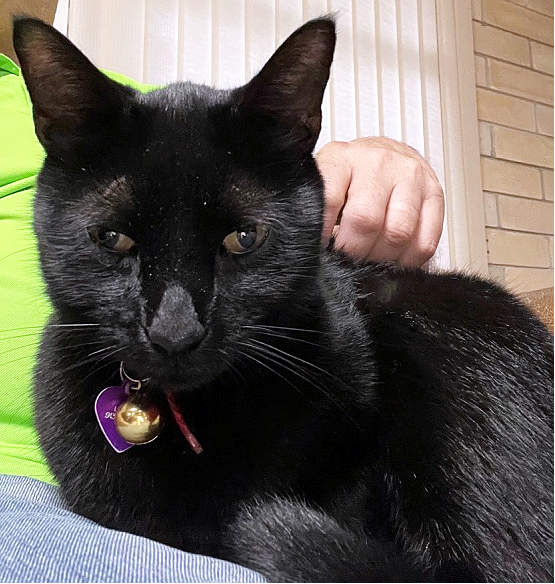
The discovery was possible thanks to Dr. Lednicky’s cat Pepper, which brought home a a dead mouse, which once tested revealed that it harbored a jeilongvirus, previously found in Africa, Asia, Europe, and South America. Pepper developed no symptoms from his exposure to the virus-carrying mouse.
“We were not anticipating a virus of this sort, and the discovery reflects the realization that many viruses that we don’t know about circulate in animals that live in close proximity to humans. And indeed, were we to look, many more would be discovered,” said Emily DeRuyter, a doctoral candidate in the Department of Environmental and Global Health who specializes in One Health. She is also a Lednicky mentee and first author of the paper describing the virus’s discovery that appears in the journal Pathogens.
Jeilongviruses are not yet well understood, but they are a type of paramyxovirus, which are associated with respiratory infections. While the finding that Gainesville rodent jeilong virus 1 can infect many different species is troubling, DeRuyter said, there is no need to panic. Most humans have little direct contact with jeilongviruses’ main host, wild rats and mice. Take for example, hantavirus, another virus found in wild rodents.
“Humans can develop severe to fatal illness if they get infected by hantaviruses, but so far, those types of infections remain rare and typically occur only among people who come into contact with rodent waste, often through airborne exposure to rodent urine or fecal material,” DeRuyter said.
.
Tags:
Source: University of Florida
Credit: Photo: Pepper, Courtesy: John Lednicky, Ph.D., University of Florida, 2024.