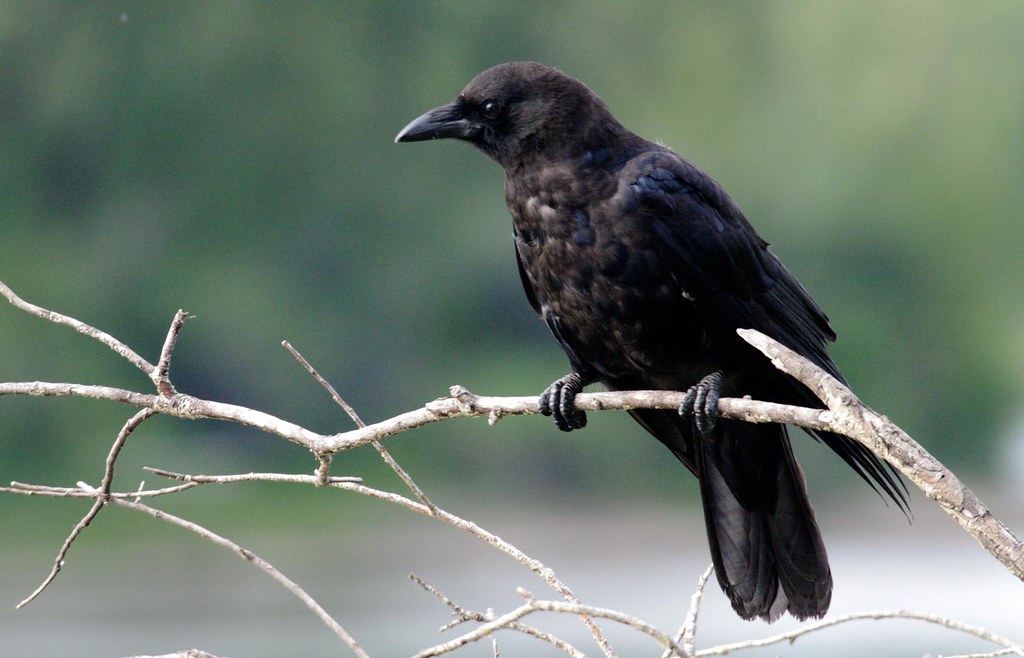
City birds found to be carriers of antimicrobial resistant bacteria
On Aug. 14, 2024, research led by scientists at the Ineos Oxford Institute for antimicrobial research at Oxford University found that wild birds such as ducks and crows living close to humans are likely to carry bacteria with antimicrobial resistance (AMR). Their study demonstrates that wild bird populations in cities are reservoirs of bacteria resistant to many important human antibiotics. There is an urgent need to understand how human activity is influencing the spread of zoonotic diseases and AMR.
In a new study published in Current Biology (Cell Press), researchers analysed 700 samples of bacteria taken from the guts of 30 species of wild birds across 8 countries. They looked at Campylobactor jejuni, a common diarrhoea-causing zoonotic bacteria found in birds’ gut microbiomes. Zoonotic diseases are those that can spread between animals and humans.
Using genomic analysis, they studied the diversity of C. jejuni strains, as well as the presence of genes associated with AMR. A novel statistical model was developed to study the relationship between these and various factors including bird behaviour and location. Globally, AMR was directly responsible for an estimated 1.27 million deaths in 2019, and the World Health Organization described it as one of the top global public health and development threats.
Genetic markers associated with AMR were found across all bird species studied. It was found that wild birds living close to humans, such as crows and ducks, contained a wider range of bacterial strains, and up to three times more AMR genes than birds living in more isolated environments such as mountains. This included genes associated with resistance against many commonly used human antibiotics, including fluoroquinolones and beta-lactams.
Birds can travel large distances, and many species identified in this study, such as crows and thrushes, are prevalent in urban environments, in close contact with humans. The data provided by this research will be invaluable for future studies to understand the full impact of human expansion on the spread of zoonotic pathogens and AMR.
Tags:
Source: Oxford University
Credit: