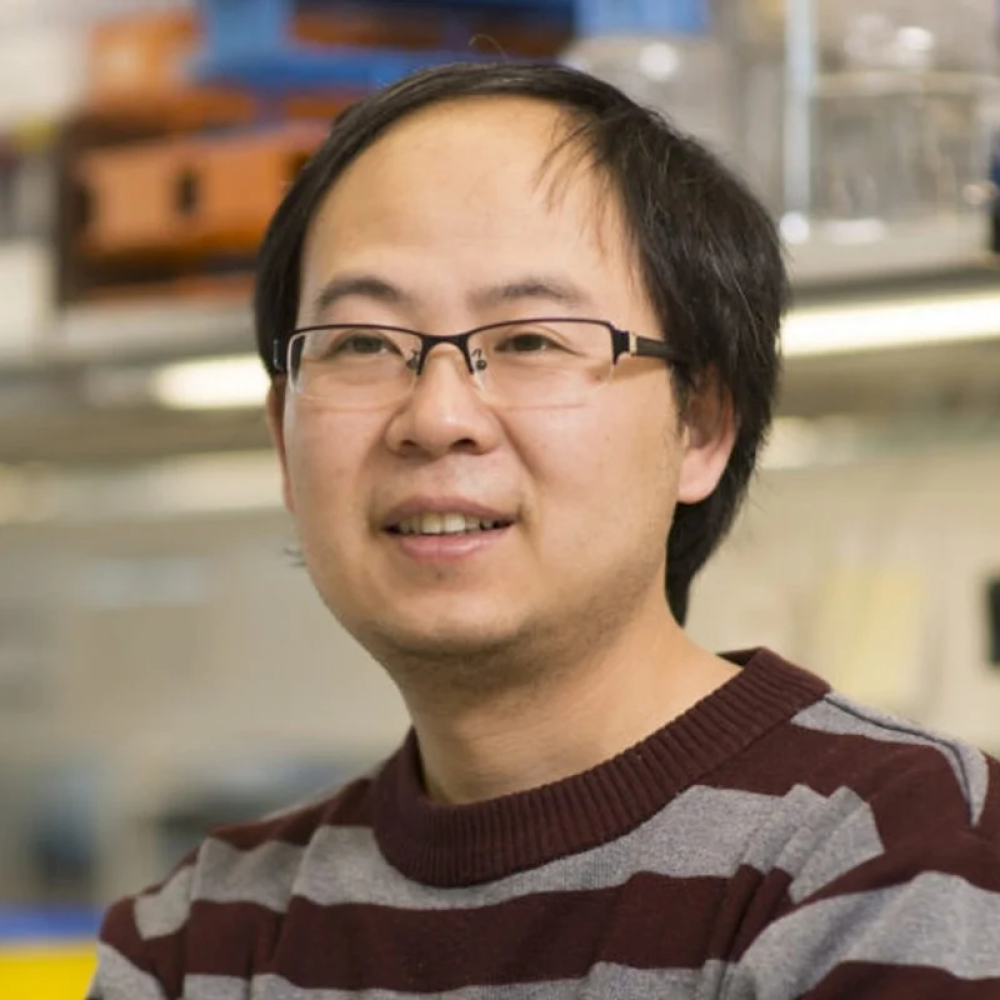
Zhang Kai, Yale scientist leaves for China university
On Apr. 2, 2026, Zhang Kai, a rising cryo-electron microscopy researcher, has resigned from his tenure-track position at Yale University and joined the University of Science and Technology of China (USTC) in Hefei for better professional support. Zhang, an assistant professor in Yale’s Department of Molecular Biophysics and Biochemistry, is among a growing number of Chinese-born scientists leaving top Western institutions for positions in China, drawn by expanding research funding, state-of-the-art facilities, and the promise of leading large-scale projects that they say remain out of reach for ethnic Chinese researchers in the U.S.
His departure on Jan. 12 came just weeks before a paper for which he was the corresponding author appeared in the journal Nature on Feb. 18. The study, co-led with Qinhui Rao of Nanjing Medical University, challenges the prevailing model of how cells assemble the machinery that transports cargo along their internal scaffolding. For over a decade, scientists believed that adaptor proteins played the central role in assembling the dynein-dynactin complex, the molecular motor responsible for moving organelles and other cargo inside cells.
Zhang’s team found that microtubules themselves serve as the primary assembly platform. Dynein and dynactin spontaneously form a stable complex on the microtubule surface even without adaptor proteins, which join the complex afterward, according to a Nanjing Medical University summary of the research. The finding redefines the role of microtubules from passive tracks to active organizers of the transport system, with potential implications for understanding neurological disorders, reproductive diseases, and other conditions linked to dynein dysfunction.
He established his own lab at Yale in 2019 and continued to push the boundaries of cryo-EM. In 2024, working with Zhu Jiapeng of Nanjing University of Chinese Medicine, he published a Nature paper that demonstrated a way to image intact mitochondria at near-atomic resolution without first purifying the proteins inside them, according to Yale’s Department of Molecular Biophysics and Biochemistry.
The technique allowed researchers to observe proteins in their natural cellular environment for the first time. His long-term goal remains what first captivated him as a graduate student: observing the atomic details of life as it happens inside living cells.
Tags:
Source: Vinexpress
Credit: