Virginia Commonwealth University’s Pauley Heart Center performed the first artificial heart implant on the East Coast
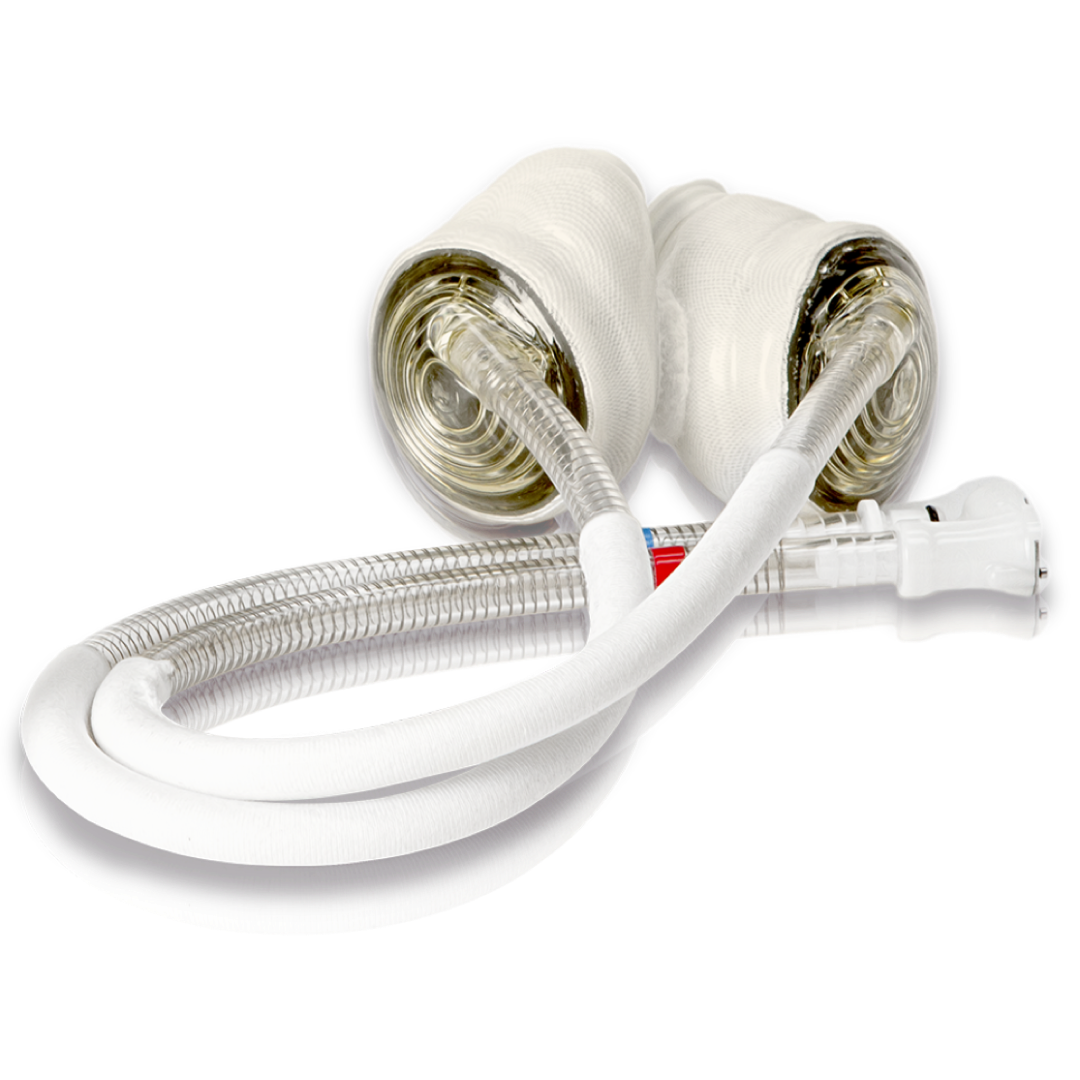
On Apr. 4, 2006, a cardiac surgery team at Virginia Commonwealth University’s Pauley Heart Center has performed the first artificial heart implant on the East Coast. The CardioWest temporary Total Artificial Heart, or TAH-t, is the only total artificial heart approved by the U.S. Food and Drug Administration.
The patient, a man in his late 50s from Virginia, was in stable condition today in the Pauley Center’s intensive care unit following a seven-hour surgery on Monday to implant the TAH-t. He had been critically ill suffering from end-stage heart failure. The TAH-t replaces his damaged heart while he waits for a donor heart to become available for transplant.
The TAH-t is a modern version of the Jarvik-7 Artificial Heart of the 1980s. Survival rates have increased dramatically because of technological advances that provide improved blood flow, along with major therapeutic advancements to reduce the occurrence of strokes and life threatening bleeding. The TAH-t is the only total artificial heart approved by the FDA, Health Canada and Communité Europeenne.
The VCU Medical Center is one of just three hospitals in the United States, and seven others worldwide, currently certified to implant the TAH-t. The two other U.S. hospitals are the University Medical Center (UMC) in Tucson, Ariz., and the Cleveland Clinic in Ohio. According to UNOS, the United Network for Organ Sharing, which coordinates U.S. organ transplant activities, more than 100 patients in Virginia are awaiting heart transplants. The TAH-t serves as a bridge to heart transplant for critically ill patients with end-stage biventricular failure, a condition in which both heart ventricles, the major portions of the heart that pump blood, fail to pump enough blood to sustain health. The TAH-t replaces the damaged heart.
The TAH-t pumps up to 9.5 liters of blood per minute through both ventricles – more than any other device – helping to rejuvenate vital organs that have atrophied due to a failing heart. In 2004, the American Heart Association named the TAH-t the No. 1 advance in cardiovascular medicine. An August 2004 paper in the New England Journal of Medicine found in a pivotal clinical trial that the one-year survival rate following human heart transplant for patients receiving the TAH-t was 70 percent, versus 31 percent for control patients.
Tags:
Source: Virginia Commonwealth Universityメs Pauley Heart Center
Credit: