Two cases of measles detected at Texas immigrant family detention center
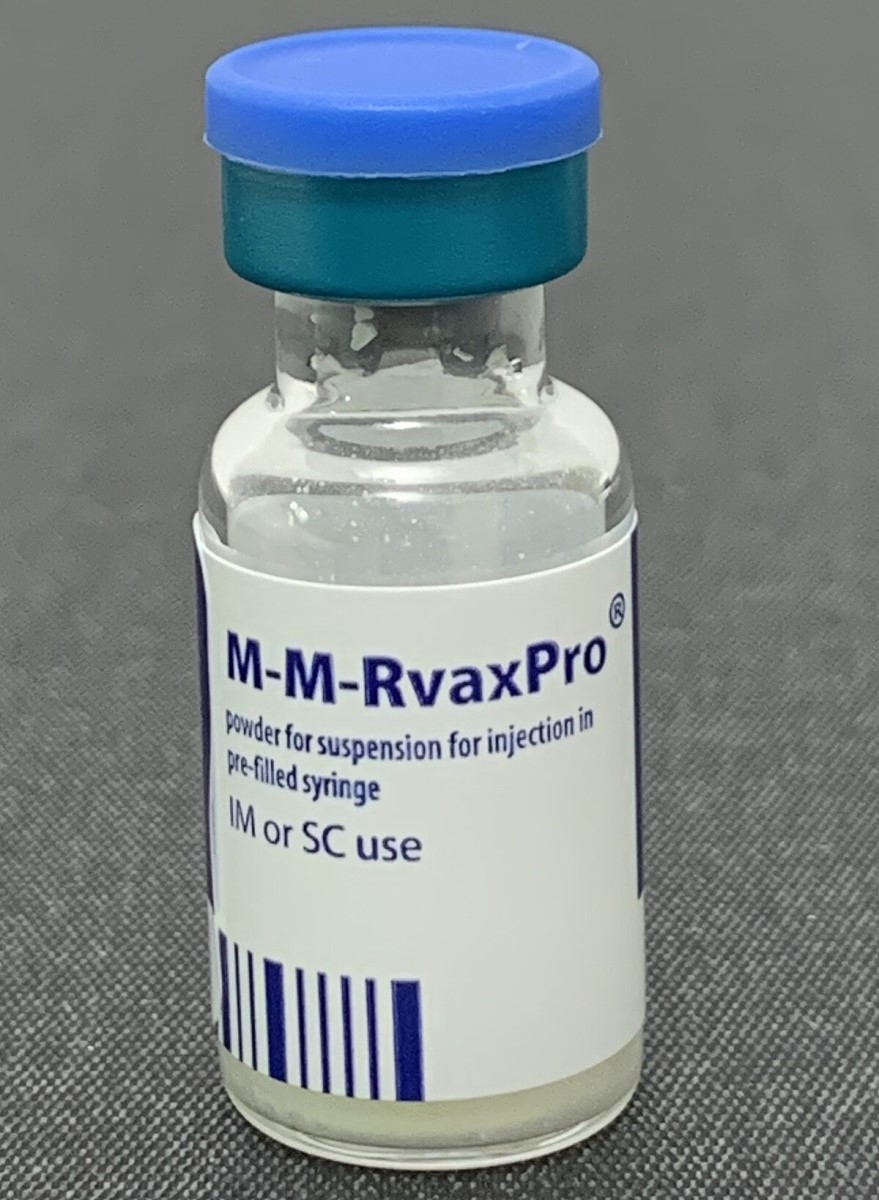
On Feb. 2, 2026, two detainees at the nation’s only current immigrant family detention center, 70 miles south of San Antonio, have “active measles infections,” federal and state officials said.
Federal officials halted “all movement” and quarantined some migrants, said Tricia McLaughlin, a Department of Homeland Security spokesperson, in a statement. The measles cases were first confirmed Saturday, setting off concerns from medical professionals and immigration advocates about the potential for spread in the Dilley facility.
The cases at the South Texas Family Residential Center come amid renewed nationwide scrutiny of the facility following the transfer there of Liam Conejo Ramos, a 5-year-old Ecuadorian boy who federal agents arrested along with his father in Minneapolis. Photographs of federal authorities detaining the child, who was wearing a Spider-Man backpack and an oversized blue winter hat, quickly went viral adding to the frustration by some Americans about the immigration tactics playing out in Minnesota, where federal agents shot and killed two people last month. A federal judge in Texas ordered Ramos and his father released and they returned home this weekend.
More than 1,400 people, including infants as young as two months, have been detained at the facility in Dilley as the Trump administration in recent months has ramped up arrests of families in the interior of the country. Despite a federal settlement that governs the rights of children in detention and generally holds that they can not be imprisoned for longer than 20 days when accompanied by their parents, many families at the facility have been detained for more than two months and some as long as eight months, lawyers and advocates said.
They have described unsafe conditions at the facility, including poor drinking water, food, and hygiene conditions and being forced to sleep with the lights on 24 hours a day.
Elissa Steglich, a co-director of the University of Texas at Austin’s immigration law clinic, said the presence of measles is especially concerning given the historically subpar conditions of immigration detention centers.
While it is difficult to assess how grave the situation may be without knowing more about the cases, Peter Hotez, a leading infectious disease expert and dean for Baylor College of Medicine’s National School of Tropical Medicine, said an investigation is necessary to understand how the infections happened. Key to know is how many detainees and staff are vaccinated, he said.
Tags:
Source: Texas Tribune
Credit: