The first description of allergies was published
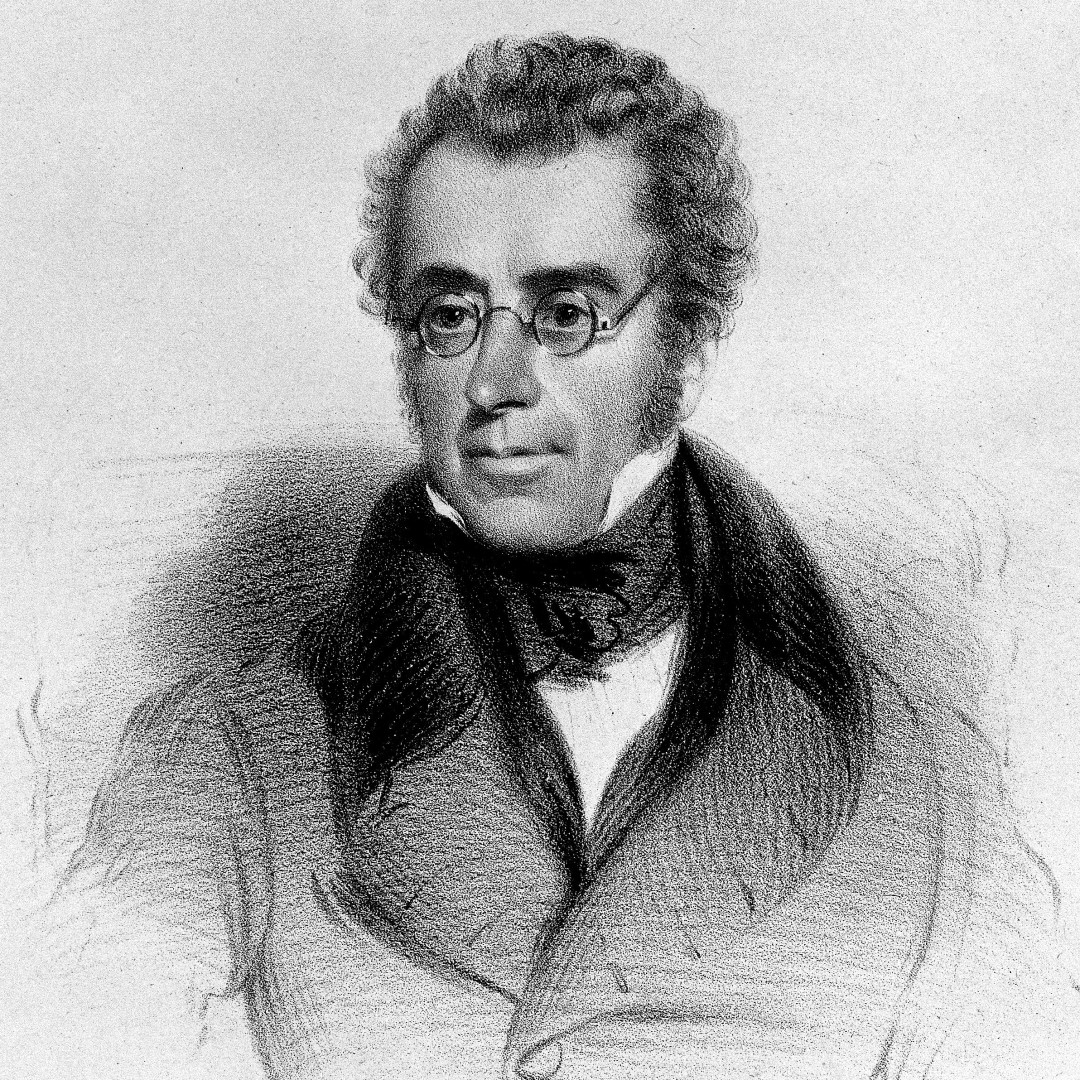
On Mar. 16, 1819, John Bostock, an avid contributor to the Medical and Chirurgical Society’s Medico-Chirurgical Transactions, presented his paper to the Society on summer catarrh was the first description of hay fever.
The patient, whom Bostock identified as ‘JB’, was aged 46 and was ‘of a spare and rather delicate habit, but capable of considerable exertion, and has no hereditary or constitutional affection, except various stomach complaints, probably connected with, or depending upon, a tendency to gout’.
From about the age of 8 and in about the beginning or middle of June each year JB suffered the following symptoms: a sensation of heat and fullness in the eyes, first along the edges of the lids, and especially in the inner angles, but after some time over the whole of the eyeball; a slight degree of redness in the eyes and a discharge of tears; worsening of this state until there was intense itching and smarting, inflammation, and discharge of a very copious thick mucous fluid. To these symptoms were added sneezing, tightness of the chest and difficulty in breathing, with irritation of the fauces and trachea.
He had had no relief from these symptoms by the use of bleeding, purging, blisters, spare diet, bark (i.e. quinine in Peruvian bark) and various other tonics, steel (i.e. medicinal iron), opium, mercury, cold bathing, digitalis, and a number of topical applications to the eyes. However, confining himself to the house reduced the symptoms. Bostock identified precipitating factors, including ‘a close moist heat, also a bright glare of light, dust or other substances touching the eyes, and any circumstance which increases the temperature’.
JB was of course Bostock himself. During the next nine years he collected another 28 cases or so, which he described in another communication to the Society, on 22 April 1828, in an article entitled ‘Of the catarrhus aestivus or summer catarrh’.
On the other hand, he was aware that there was a possible connection with grasses: ‘With respect to what is termed the exciting cause of the disease, since the attention of the public has been turned to the subject, an idea has very generally prevailed, that it is produced by the effluvium from new hay, and it has hence obtained the popular name of the hay fever’.
All in all, the evidence does suggest that hay fever did not exist, or was at least very uncommon, before the 19th century; the presence of pollutants in the air after the start of the industrial revolution may have played a part in its emergence. Plants wouldn’t be directly linked to hay fever until 1859, when another British scientist followed his own allergies to make the connection. And allergies themselves wouldn’t become a recognized medical tradition until after 1900.
Tags:
Source: National Library of Medicine
Credit: