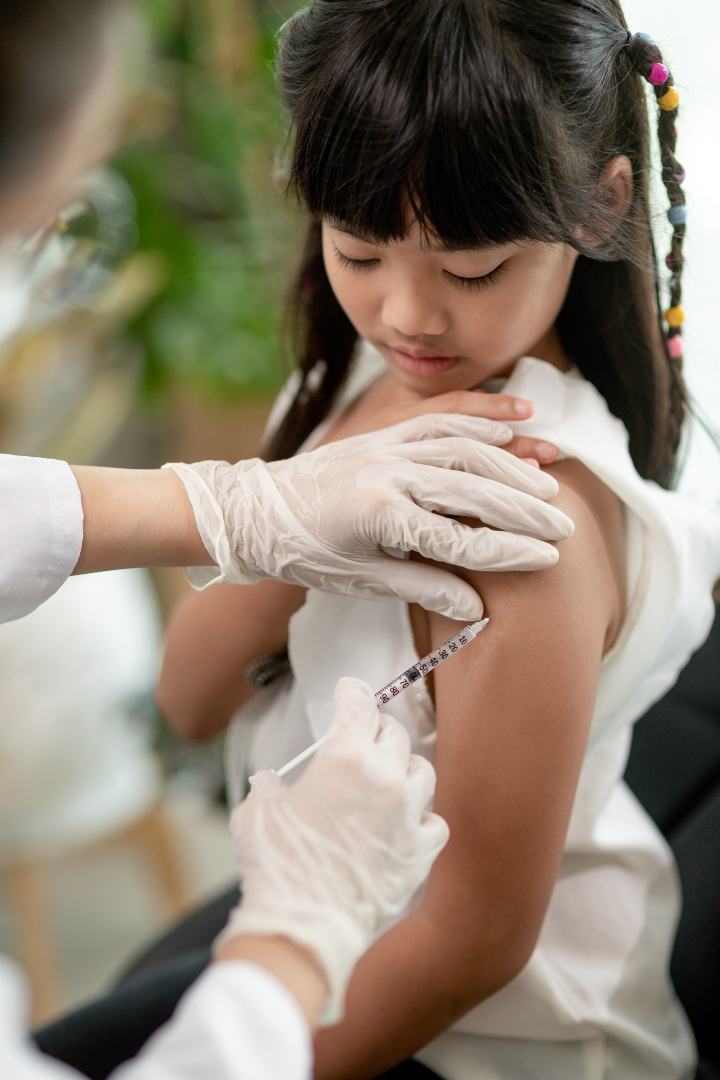
Rising U.S. nonmedical childhood vaccination exemption rates may portend disease resurgence
On Jan. 14, 2026, a Stanford University–led research team estimates that county-level US nonmedical exemptions to childhood vaccine requirements rose 2.5 percentage points from 2010 to 2024, raising the risk of a resurgence of vaccine-preventable diseases, according to a research letter published in JAMA.
Nonmedical exemptions are those granted for personal beliefs or religious reasons, while medical exemptions are given to those with a documented condition for which vaccination is contraindicated.
The analysis included data on nonmedical and medical exemptions for childhood vaccination requirements, mainly for children entering public kindergartens, from 3,053 counties in 45 states and Washington, DC. In total, 91.1% of counties had at least five years of data, and 98.0% included at least one year of data from 2021 to 2024.
The median county-level nonmedical exemption rate rose from 0.6% in 2010-11 to 3.1% in 2023-24, but medical exemptions stayed the same. The median nonmedical exemption rate increased by 0.11 percentage points each year from 2010 to 2020 and by 0.52 percentage points annually after the emergence of SARS-CoV-2.
Wide variation was seen in county-level nonmedical exemption rates over two periods and in county-level variation by state. From 2021 to 2024, relative to 2010 to 2020, 53.5% of the 2,842 counties with data available for both periods saw an increase in nonmedical exemptions of over 1%, and 5.3% observed an increase of over 5%.
States with the highest rates of nonmedical exemptions from 2021 to 2024 were Arizona, Idaho, Oregon, Utah, and Wisconsin. California, Connecticut, Maine, and New York, which eliminated nonmedical exemptions during this period, saw declines.
“These findings support the need to reconsider policy on use of nonmedical exemptions, which are actively being debated, to address declining childhood vaccination in the US,” the authors wrote.
Tags:
Source: Center for Infectious Disease Research & Policy, University of Minnesota
Credit: