pneumonia outbreak announced at American Legion convention in Philadelphia
On Jul. 21, 1976, an estimated 4,400 American Legionnaires and guests gathered at a Bellevue-Stratford Hotel for the 58th Annual Convention of the American Legion in Pennsylvania. Shortly after the convention, the Centers for Disease Control (CDC) in Atlanta received a call describing a cluster of patients with severe febrile respiratory illness who had attended the convention, some of whom died.
In the months to follow, numerous health officials were deployed to investigate this epidemic. Two hundred twenty-one individuals ultimately met the clinical criteria for the respiratory syndrome known as Legionnaires’ disease (LD); 34 people succumbed to their infections.
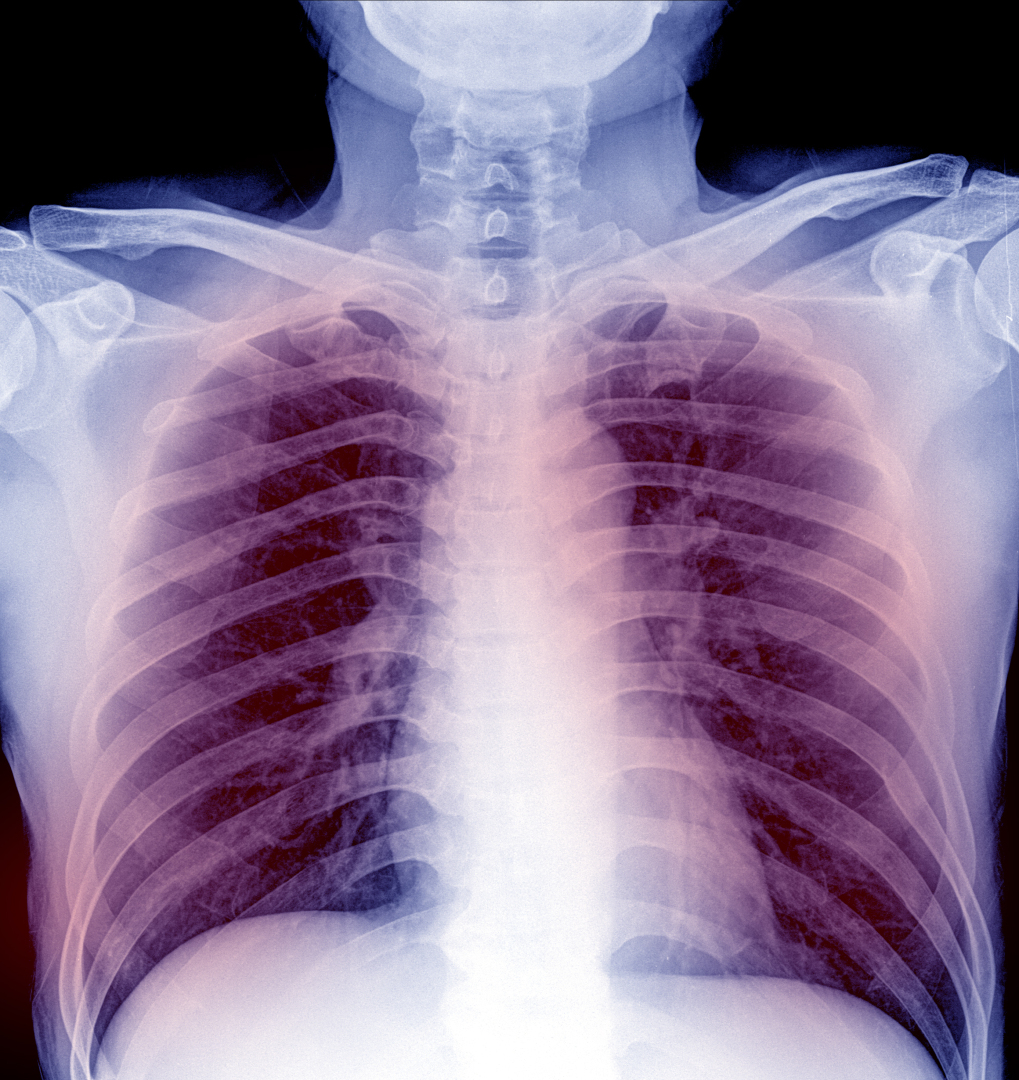
Of the 182 patients, 147 (81 per cent) were hospitalized, and 29 (16 per cent) died. The typical illness began seven days after the Legionnaire had arrived at the convention and three days after he had returned home. Earliest symptoms were malaise, muscle aches and a slight headache. Within less than a day there was a rapidly rising fever associated with shaking chills.
Only one of more than 400 employees, an air-conditioner repairman, met the case criteria with a temperature of 38.9°C and cough beginning on July 24 that required him to miss work for four days. His two children, three and four years old, had colds beginning on July 27, and his wife became ill on August 2. He recovered and did not see a physician or have a chest x-ray study. No serum specimens were available from him or his family. Nine other employees who worked in different locations in the hotel were known to have had minor colds but did not meet the case criteria.
Although the source and route of the outbreak have not been proven and the mystery remains, it was suspected that Legionella pneumophila grew in a cooling tower on the roof of a hotel and was released in an aerosol that traveled down the valley of the buildings and entered the lobby through the streets and windows adjacent to the hotel.
Tags:
Source: National Academies of Sciences, Engineering, and Medicine. 1995.
Credit: