Penn Medicine birth marked a milestone in uterus transplant clinical trial
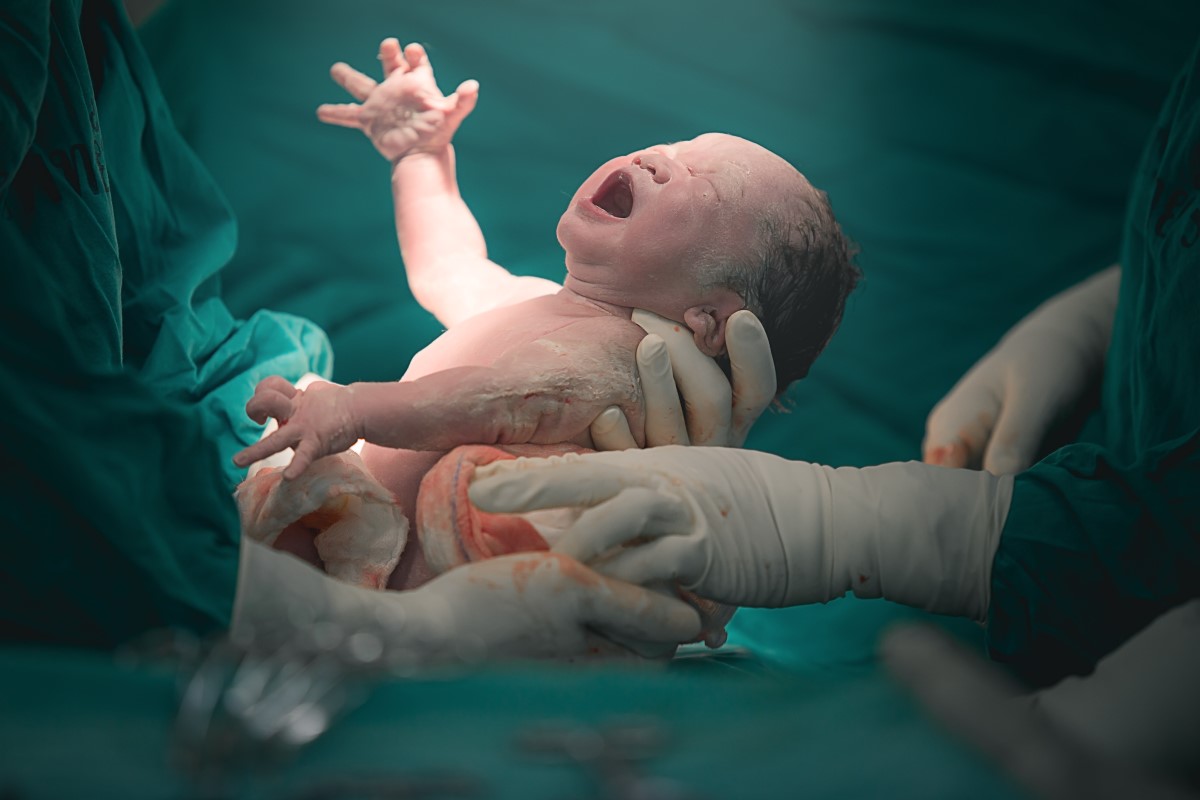
On Jan. 9, 2020, Penn Medicine announced the birth of Benjamin Thomas Gobrecht: his mother, 33-year-old Jennifer Gobrecht, was born without a uterus. Benjamin, who arrived in November 2019 at the Hospital of the University of Pennsylvania, grew inside a womb Jennifer received as part of an organ transplant research trial over a year earlier.
Benjamin was the first baby born as part of Penn Medicine’s ongoing Uterus Transplantation for Uterine Factor Infertility (UNTIL) trial, which launched in 2017. He was the second baby in the nation to be born following transplantation of a uterus from a deceased donor.
Gobrecht was born with a congenital condition called Mayer-Rokitansky-Küster-Hauser (MRKH) syndrome, which means she has functional ovaries but does not have a fully formed uterus. MRKH affects approximately 1 out of every 4,500 females, and makes it impossible for women to get pregnant or carry a child. It’s one example of uterine factor infertility (UFI), which is a previously irreversible form of female infertility that affects as many as five percent of reproductive-aged women worldwide. A person with UFI cannot carry a pregnancy either because she was born without a uterus, has had the organ surgically removed, or has a uterus that does not function properly.
Most of the other programs around the globe have focused on transplantation exclusively from living donors, and to date, there have been approximately 70 uterus transplants globally. However, Penn Medicine’s trial is one of a few to explore donation from both living or deceased donors—an approach which has the potential to expand the pool of organs available for donation and allows investigators the opportunity to directly compare outcomes from the different types of donors.
The Penn Medicine team caring for Gobrecht worked closely with their partners at the Gift of Life Donor Program to perform the 10-hour uterus transplant procedure using a uterus from a deceased donor in 2018.
Tags:
Source: Penn Medicine
Credit: