Old air samples hint at effects of climate change
On Nov. 26, 2025, researchers at Lund University in Sweden have showed through the DNA analysis of old air samples collected by the Swedish Armed Forces, that spore dispersal of northern mosses has shifted over the past 35 years. It now starts several weeks earlier, revealing how quickly nature’s calendar can reset in line with a warmer climate.
When the Swedish military began collecting air samples in the 1960s to register radioactive fallout from nuclear weapons testing, it is highly unlikely that anyone was thinking about moss. However, the glass fibre filters on which the samples were saved also captured something completely unintended – namely DNA from pollen, spores and other biological particles. This discovery was made by researcher Per Stenberg of Umeå University.
“The samples have proved to be an unexpected, unique and very exciting archive of DNA from wind-dispersed biological particles,” says Nils Cronberg, researcher in botany at Lund University.
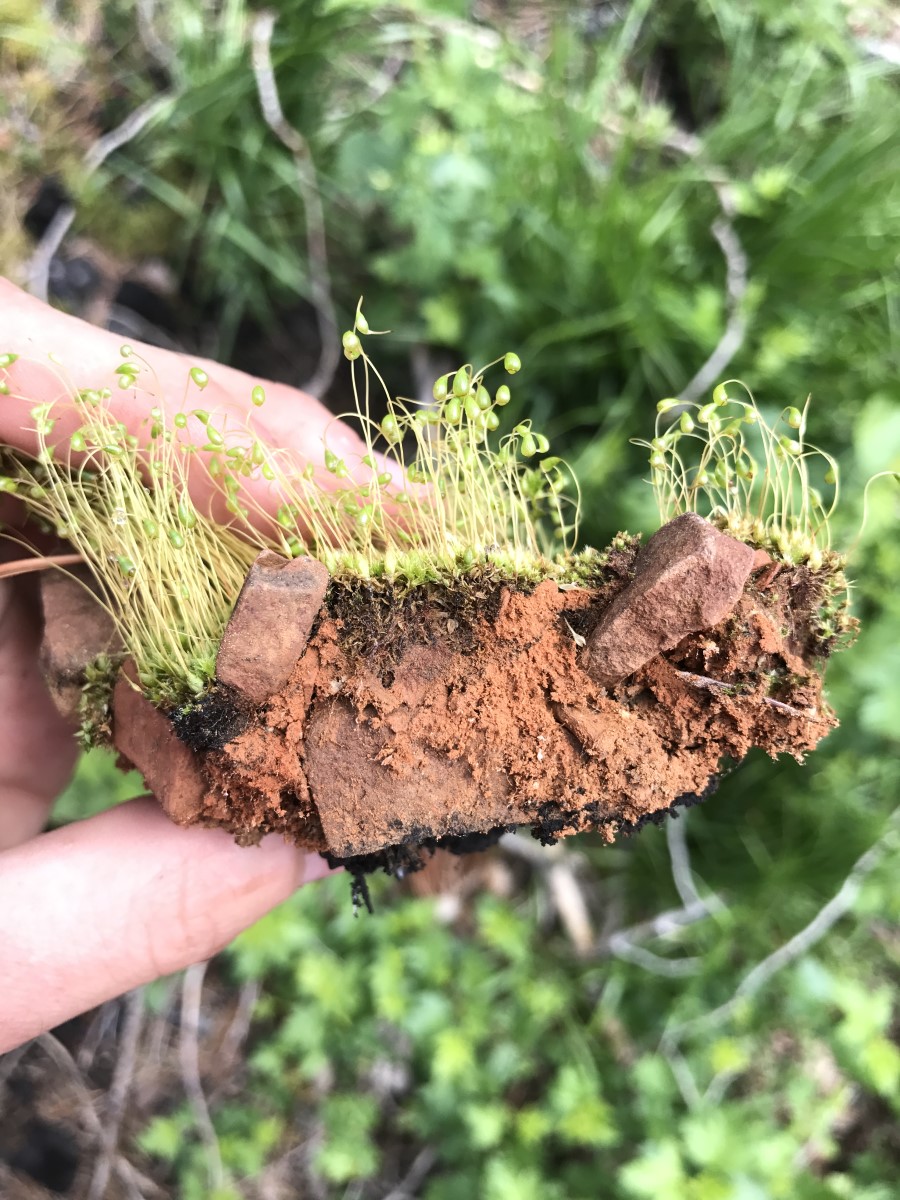
The researchers have studied how the dispersal period of airborne moss spores has changed over a 35-year period for 16 different moss species and groups. The results show that the spore dispersal of the mosses starts on average four weeks earlier and culminates six weeks earlier than in 1990.
Warmer autumns mean that the mosses’ spore capsules have a longer time to develop before the onset of winter – a biological kick-start that enables the spores to be released earlier in the spring. But perhaps what is most surprising is that it is not the current spring weather that controls the timing of spore dispersal.
In addition to showing how fast climate change affects ecosystems, the study paves the way for a completely new method for understanding biological changes over time. The same type of DNA analysis can also be conducted for other plant and animal groups. As the collection points are all over Sweden, the researchers can follow developments back in time through the decades – from north to south.
“We anticipate that our results and knowledge about how nature has changed from the 1970s onwards will be part of the next report by the Intergovernmental Panel on Climate Change (IPCC) on the documented effects of climate change,” concludes Nils Cronberg. The study was published in the Journal of Ecology.
Tags:
Source: Lund University
Credit: