Novartis and Gates Foundation collaborate to discover and develop in vivo gene therapy for sickle cell disease
On Feb. 17, 2021, Novartis announced that it had entered into a grant agreement with the Bill & Melinda Gates Foundation. The foundation provided funding support for the discovery and development of a single-administration, in vivo gene therapy to cure sickle cell disease (SCD).
The project brought together Novartis drug discovery and gene therapy expertise with the Gates Foundation’s charitable objectives to expand access to healthcare in low-resource settings in an effort to address this potentially life-threatening genetic disease.
SCD is a hereditary blood disease—one of the oldest known and most common genetic disorders. The disease affects millions around the world, with over 300,000 born with the condition annually. It disproportionately affects those of African descent, and sub-Saharan Africa bears roughly 80 percent of the disease burden. It also is common among people with ancestry from South America, Central America, and India, as well as several Mediterranean countries, such as Italy and Turkey.
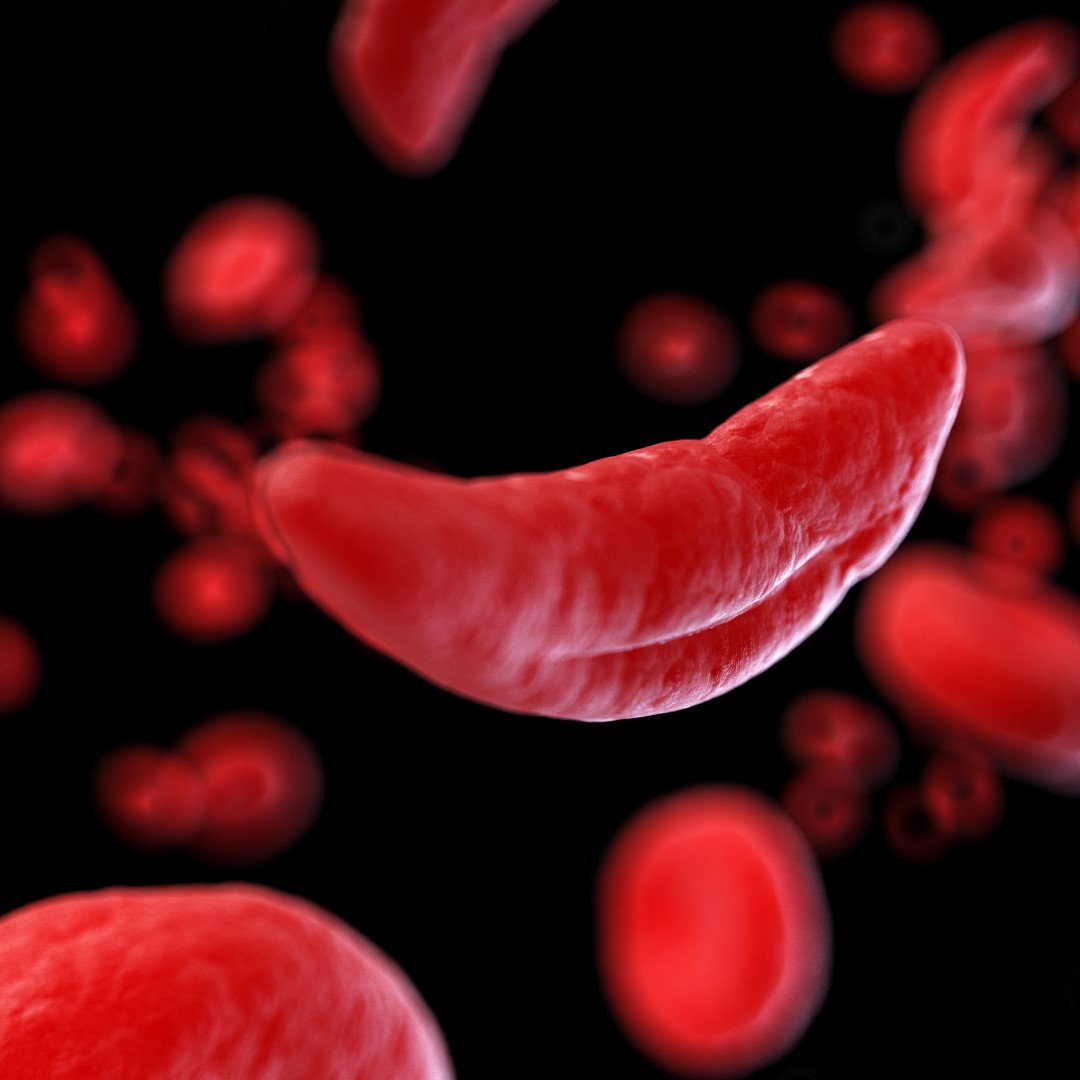
SCD is a complex genetic disorder that affects the structure and function of hemoglobin, reduces the ability of red blood cells to transport oxygen efficiently and, early on, progresses to a chronic vascular disease. The disease can lead to acute episodes of pain known as sickle cell pain crises, or vaso-occlusive crises, as well as life-threatening complications. The resulting, frequent hospitalizations associated with sickle cell disease combined with an overall lack of specialized care places a significant burden on patients and their families, healthcare systems, and the overall economy. Even with today’s best available care, SCD continues to drive premature deaths and disability.
While the genetic cause of SCD has been known for decades, it’s only recently that the medical world has gained the tools to potentially fix the errant gene that causes the disease. Current clinical-stage gene-based therapies require extracting cells from a patient, altering those cells in a laboratory, and then reintroducing them to the patient through a complex procedure akin to a bone marrow transplant. The lab and manufacturing facilities and hospital infrastructure for such procedures often do not exist in the areas where SCD is most prevalent, excluding the vast majority of those with the disease from these life-changing gene therapies.
Novartis envisions developing an accessible in vivo gene therapy for SCD that could potentially be administered once, directly to the patient, without the need to modify the cells in a lab. This would have the advantage of mitigating the need for long or repeated hospital stays or specialized lab infrastructure. To facilitate the research, the Gates Foundation has agreed to provide funding support for a research team within NIBR wholly dedicated to developing an approach to delivering this potential treatment. Novartis will provide in-kind support and access to its suite of technologies and resources.
In addition to research funding, the Gates Foundation lends its long history and experience in global health to this collaboration. As part of the early drug design strategy, Novartis will prioritize addressing access and distribution hurdles posed by limited healthcare infrastructure in low- and middle-income countries and the funding agreement includes specific provisions to support global access to any resulting innovations.
Tags:
Source: Novartis
Credit: