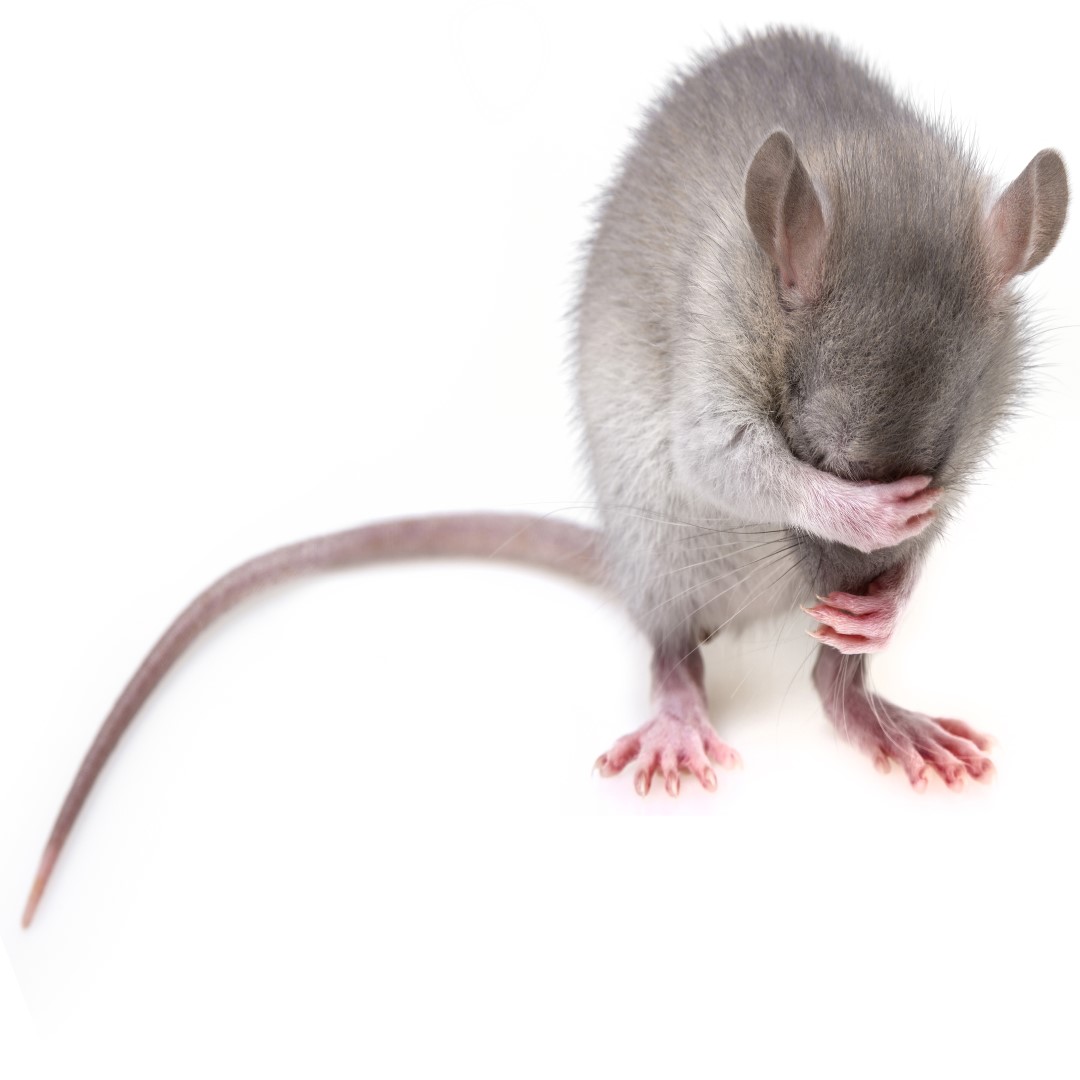
NIH invests $150 million in human-based research to reduce use of animal models
On Mar. 18, 2026, the National Institutes of Health (NIH) announced more than $150 million to develop and scale research methods that better simulate human biology and reduce reliance on animal models, a priority of the Trump Administration.
The funding marks the first awards under the Complement Animal Research in Experimentation (Complement-ARIE) program, an initiative to develop, implement, and standardize lab or computer-based methods, also known as new approach methodologies (NAMs). Research teams across the United States will lead projects designed to produce more predictive models of human disease.
The program will establish technology centers to facilitate NAM development in the areas of greatest scientific and regulatory need. Examples include NAMs technologies to study gynecological disorders, cardiac disease, neurological disorders, rare diseases, and more. A NAMs data hub and coordinating center (NDHCC) will facilitate data sharing and standards development, while a validation and qualification network (VQN) will leverage a public-private partnership with industry and regulatory expertise necessary to implement reliable, marketable NAMs.
Complement-ARIE has partnered with the Foundation for the National Institutes of Health to establish the VQN, intended to advance implementation of reliable and marketable NAMs, preparing them for regulatory processes and clearance. NIH plans to contribute about $20 million, pending available funds. The network has selected four pilot projects focused on preterm birth, developmental neurotoxicity, inhalation toxicity and acute oral toxicity, with plans to expand.
Additionally, the program launched a $7 million NAMs Reduction to Practice Challenge in partnership with the U.S. Food and Drug Administration and the Environmental Protection Agency where research teams submitted human-based NAMs to demonstrate viability within a three-year period and be delivered to the VQN.
Tags:
Source: National Institutes of Health
Credit: