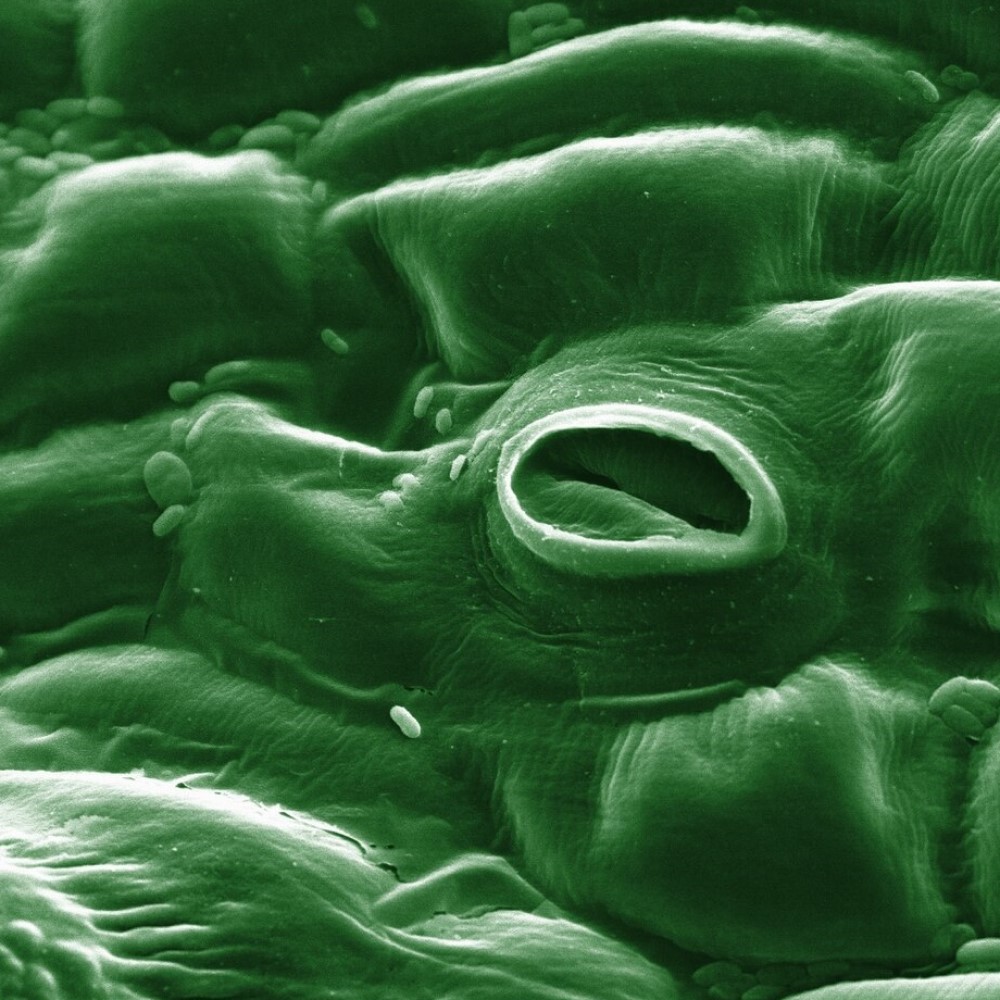
New “Stomata in-sight” system allows scientists to watch plants breathe in real-time
On Jan. 5, 2026, researchers at the University of Illinois Urbana-Champaign have developed a groundbreaking new tool that allows them to watch and quantify how plants “breathe” through microscopic pores on their leaves called stomata. These tiny valves are the gatekeepers that balance the intake of carbon dioxide into the leaf for photosynthesis against the loss of water vapor from the leaf to the atmosphere.
The study, published in the journal Plant Physiology, introduces a system dubbed “Stomata In-Sight.” It solves a long-standing technical challenge in plant biology: how to observe the microscopic movements of stomatal pores while simultaneously measuring how much gas they are exchanging with the atmosphere.
The “Mouths” of the Plant, stomata (Greek for “mouths”), are critical to global agriculture. When they open, plants get the carbon they need to grow, but they also lose water. Therefore, understanding how the number and operation of these pores determine the efficiency of photosynthetic gas exchange is key to developing crops that need less water to grow and can reliably produce food, biofuel and bioproducts in times and places of drought stress.
Why It Matters This high-definition view of plant physiology could revolutionize how we breed crops. By understanding the precise mechanical and chemical signals that cause stomata to open or close, and how that is influenced by the number of stomata on a leaf, scientists can identify genetic traits that lead to “smarter” plants—crops that use water most efficiently. That is crucial because water is the environmental factor that limits agricultural production the most.
The system was developed by Joseph D. Crawford, Dustin Mayfield-Jones, Glenn A. Fried, Nicolas Hernandez, and Andrew D.B. Leakey at the Department of Plant Biology and the Institute for Genomic Biology at the University of Illinois.
Tags:
Source: American Association for the Advancement of Science
Credit: