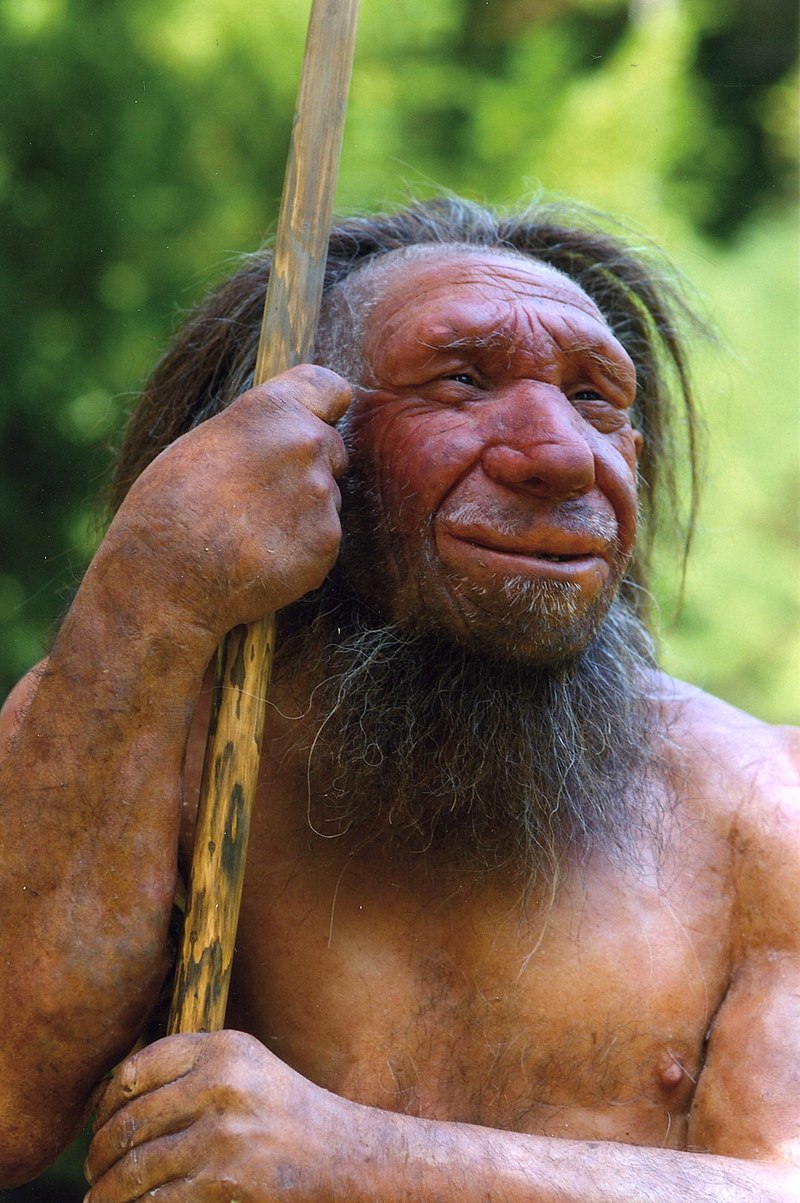
UW scientists unearth Neanderthal genes in modern humans
On Jan. 29, 2014, Neanderthal genes were unearthed in modern humans by University of Washington scientists Benjamin Vernot and Joshua M. Akey, population geneticists from the Department of Genome Sciences. A new approach applied to analyzing whole-genome sequencing data from 665 people from Europe and East Asia showed that more than 20 percent of the Neanderthal genome survives in the DNA of this contemporary group. The study was published in Science Express.
Previous research proposes that someone of non-African descent may have inherited approximately 1 percent to 3 percent of his or her genome from Neanderthal ancestors. These archaic DNA sequences can vary from one person to another and were aggregated in the present study to determine the extent of the Neanderthal genome remaining in the study group as a whole.
The findings are a start to identifying the location of specific pieces of Neanderthal DNA in modern humans and a beginning to creating a collection of Neanderthal lineages surviving in present-day human populations.
Neanderthals became extinct about 30,000 years ago. Their time on the earth, and some of their geographic range, overlapped with humans who anatomically resembled us. The two closely related groups mated and produced some fertile offspring, such that portions of Neanderthal DNA were passed along to the next generations. In a proposed model, this mixing of DNA could have occurred both before and after the evolutionary divergence of non-African modern humans from a common ancestral population.
Additionally, such studies might also help researchers hone in on genetic changes not found in any other species, and learn if these changes helped endow early people with uniquely human attributes.
Tags:
Source: University of Washington
Credit: Images: Courtesy Neanderthal Museum, Mettmann, Germany.