Menopause linked to loss of grey matter in the brain, poorer mental health and sleep disturbance
On Jan. 27, 2026, a University of Cambridge study shows menopause is linked to reductions in grey matter volume in key brain regions as well as increased levels of anxiety and depression and difficulties with sleep. The study, published in Psychological Medicine, found that hormone replacement therapy (HRT) does not appear to mitigate these effects, though it can slow the decline in reaction times.
Menopause is a key period in a woman’s life when her periods stop, due to lower hormone levels. It typically affects women between the ages of 45 and 55, during which time they may experience hot flushes, low mood and sleep problems. Menopause has previously been linked to cognitive decline, such as memory, attention and language deficits.
To counter the effects of menopause – particularly depressive symptoms and sleep problems – many women are prescribed HRT. In England, in 2023, 15% of women were prescribed the treatment. However, there is limited understanding of the effects of menopause and subsequent HRT use on the brain, cognition and mental health.
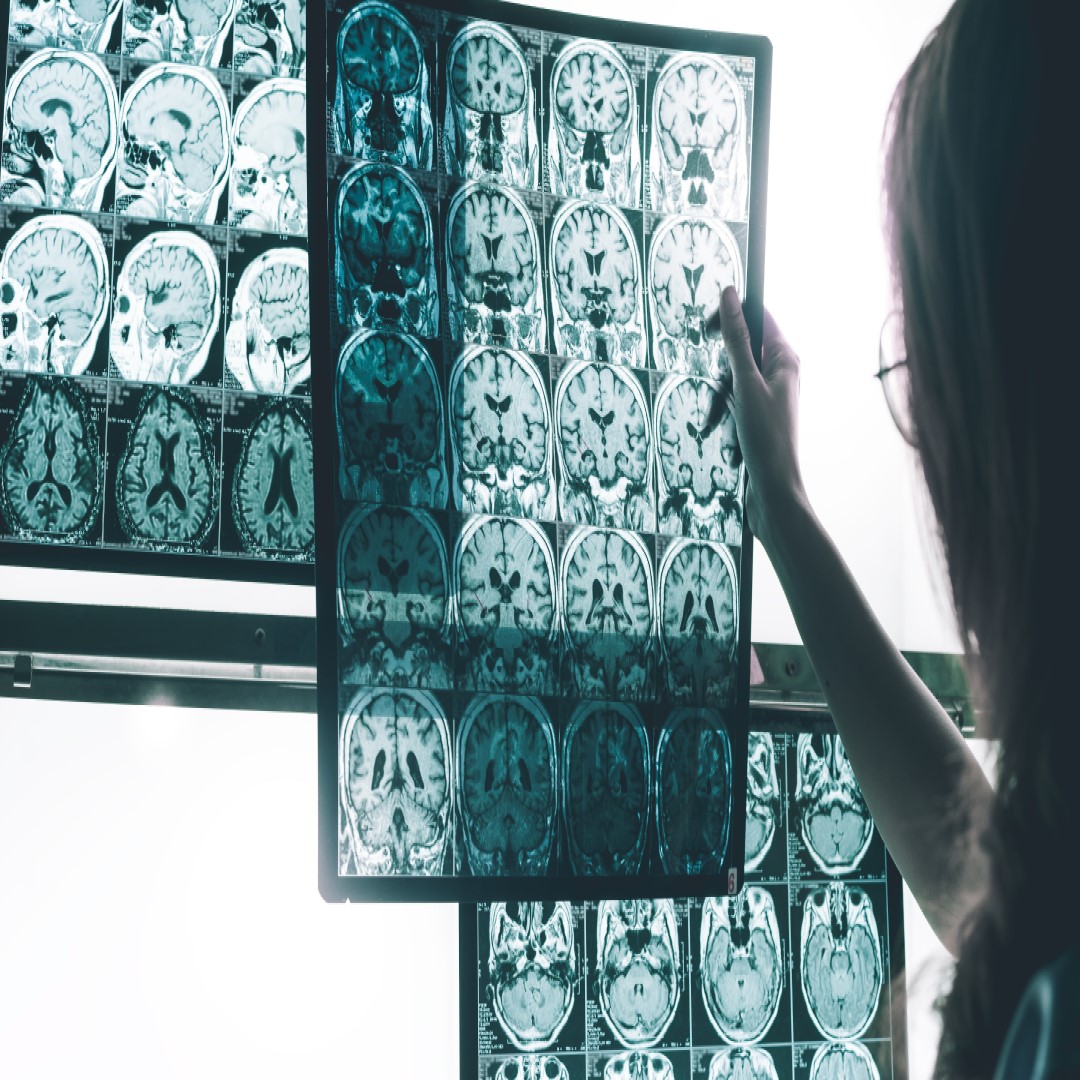
To address this question, researchers at the University of Cambridge analysed data from UK Biobank of almost 125,000 women, who were classified into three categories: pre-menopause, post-menopause who have never used HRT, or post-menopause who have used HRT. As well as answering questionnaires that included questions related to their experience of menopause, self-reported mental health, sleep patterns and overall health, some participants took part in tests of cognition, including tests of memory and reaction times. Around 11,000 participants also underwent magnetic resonance imaging (MRI) scans, allowing the researchers to look at the structure of their brains.
In both groups of women post-menopause, the researchers found significant reductions in volume of grey matter – brain tissue that contains nerve cell bodies and helps process information, control movement and manage memory and emotions.
In particular, these differences occurred in the hippocampus (responsible for forming and storing memories); entorhinal cortex (the ‘gateway’ for passing information between the hippocampus and the rest of the brain); and the anterior cingulate cortex (part of the brain that helps you manage emotions, make decisions, and focus your attention).
Professor Barbara Sahakian, the study’s senior author from the Department of Psychiatry, added: “The brain regions where we saw these differences are ones that tend to be affected by Alzheimer’s disease. Menopause could make these women vulnerable further down the line. While not the whole story, it may help explain why we see almost twice as many cases of dementia in women than in men.”
Tags:
Source: University of Cambridge
Credit: