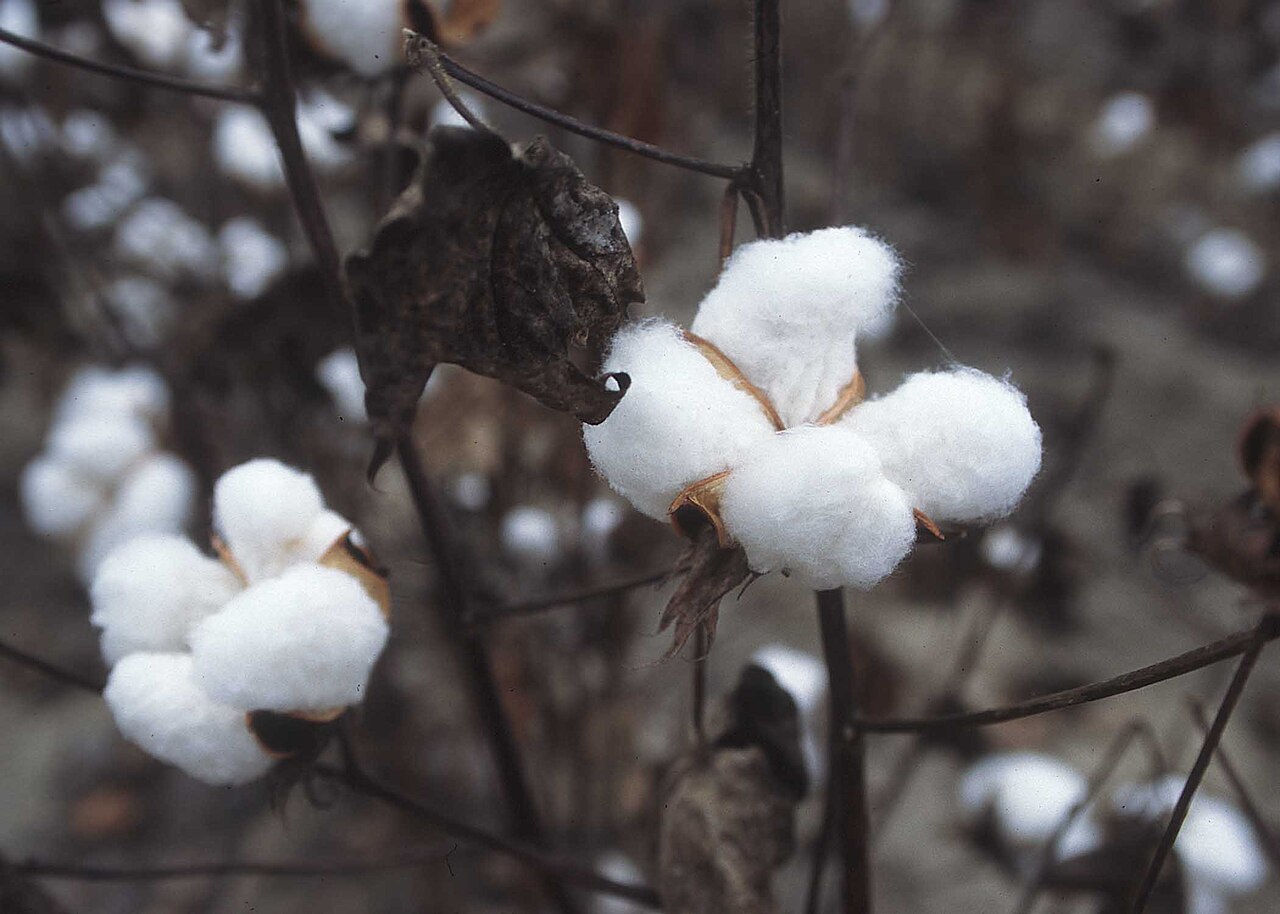
Long-term analysis showed GM cotton no match for insects in India
On Mar. 13, 2020, Washington University in St. Louis announced the first long-term study of Bacillus thuringiensis (Bt) cotton impacts in India. Bt cotton is credited with tripling cotton production during 2002-2014. But the largest production gains came prior to widespread seed adoption and must be viewed in line with changes in fertilization practices and other pest population dynamics, according to the study published in Nature Plants.
Bt is a highly effective, organic, and non-toxic biological insecticide used to control caterpillars, worms, and certain larvae on vegetables, fruits, and ornamentals. It works by disrupting the insect’s digestive system upon ingestion, often killing them within 2–5 days.
Bt cotton is explicitly credited with tripling cotton production during 2002-2014. But the largest production gains came prior to widespread seed adoption and must be viewed in line with changes in fertilization practices and other pest population dynamics, according to Glenn Davis Stone, professor of sociocultural anthropology and environmental studies, both in Arts & Sciences.
“There are two particularly devastating caterpillar pests for cotton in India, and, from the beginning, Bt cotton did control one of them: the (misnamed) American bollworm,” Stone continued. “It initially controlled the other one, too — the pink bollworm — but that pest quickly developed resistance and now it is a worse problem than ever.
“Yields in all crops jumped in 2003, but the increase was especially large in cotton,” Stone said. “But Bt cotton had virtually no effect on the rise in cotton yields because it accounted for less than 5% of India’s cotton crop at the time.” Instead, huge increases in insecticides and fertilizers may have been the most significant changes.
“Now farmers in India are spending more on seeds, more on fertilizer and more on insecticides,” Stone said. “Our conclusion is that Bt cotton’s primary impact on agriculture will be its role in making farming more capital-intensive — rather than any enduring agronomic benefits.”
“Bt plants were highly vulnerable to other insect pests that proliferated as more and more farmers adopted the crop. Farmers are now spending much more on insecticides than before they had ever heard of Bt cotton. And the situation is worsening.”
Tags:
Source: Washington University in St. Louis
Credit: