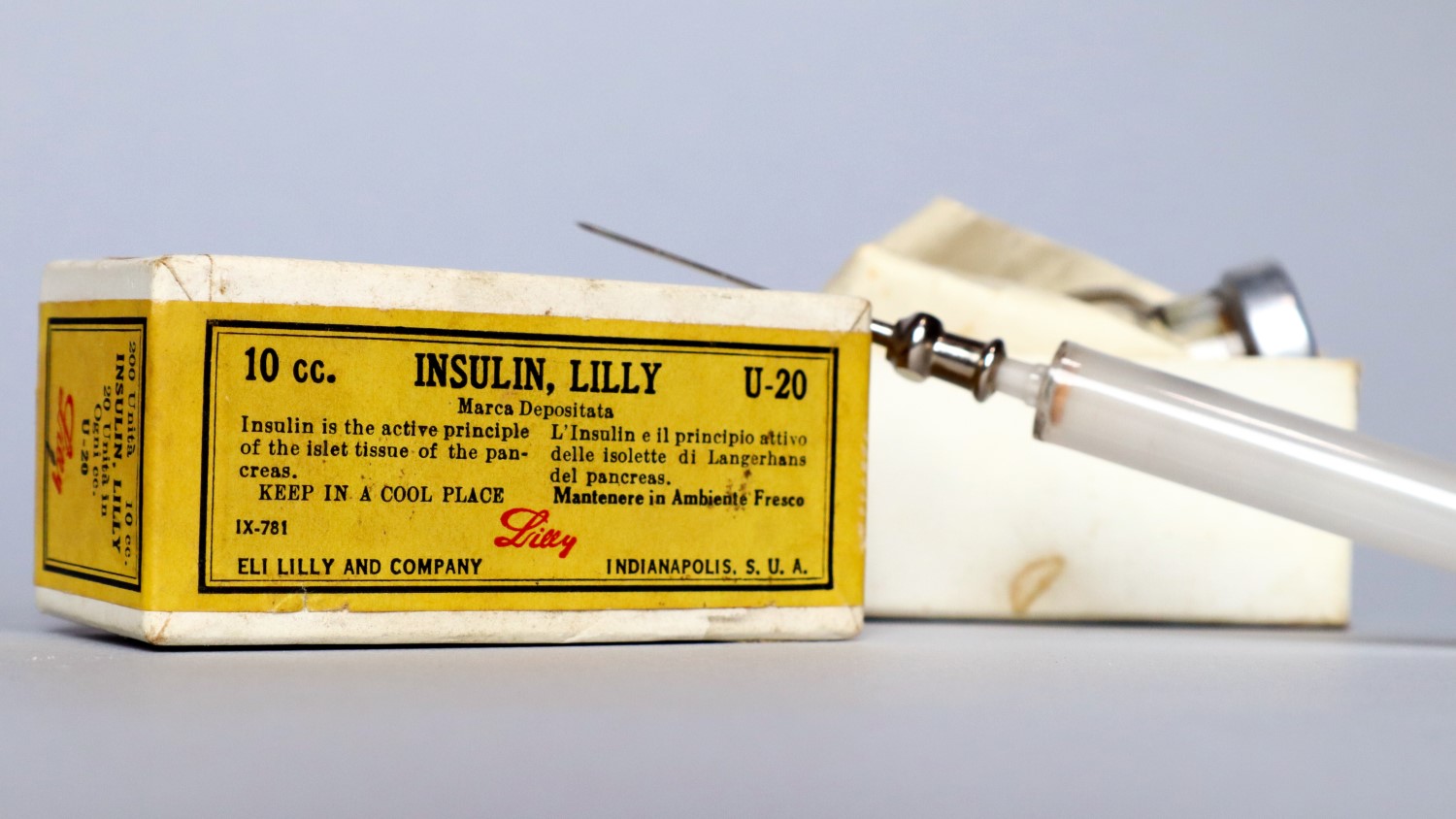
Insulin Amendment required the FDA to test and certify purity and potency of diabetes drug
On Dec. 22, 1941, the Insulin Amendment was passed by the U.S. Congress requiring the U.S. Food and Drug Administration (FDA) to certify batches of insulin for safety, potency and identity to ensure patients had access to high quality products. The testing was conducted by a unit in the Pharmacology Division.
In November 1941 officials from the FDA, the U. S. Pharmacopoeia, and other institutions met to discuss the development of USP insulin standards in anticipation of a move to have FDA continue an insulin certification program.
However, insulin was not a new drug under the 1938 Food, Drug, and Cosmetic Act and thus not subject to premarket provisions of the law. And even if it were, there was no provision for pre-market, batch-by-batch certification for a drug (although that law authorized FDA to batch-certify coal-tar colors).
On December 16th a bill to require FDA certification of insulin and concomitant regulations was introduced in Congress, and six days later—48 hours before the Toronto patent expired—the 1941 Insulin Amendment became law.
The program was so successful in safeguarding the quality of insulin that by the 1990s it was no longer necessary to elevate industry practices, and it ended under the Food and Drug Administration Modernization Act of 1997.
Tags:
Source: U.S. Food and Drug Administration
Credit: