Implantable ‘Living Pharmacy’ Produces Multiple Drugs Inside the Body
On Mar. 27, 2026, A multi-institutional team of scientists, co-led by Northwestern University, has taken a crucial step toward implantable “living pharmacies”—tiny devices containing engineered cells that continuously produce medicines inside the body.
In a new study, the team engineered cells to simultaneously produce three different biologics—an anti-HIV antibody, a GLP-1-like peptide used to treat type 2 diabetes and leptin, a hormone that regulates appetite and metabolism. When implanted under the skin of a small animal model, the device kept drug-producing cells alive and stably delivered all three therapies at once.
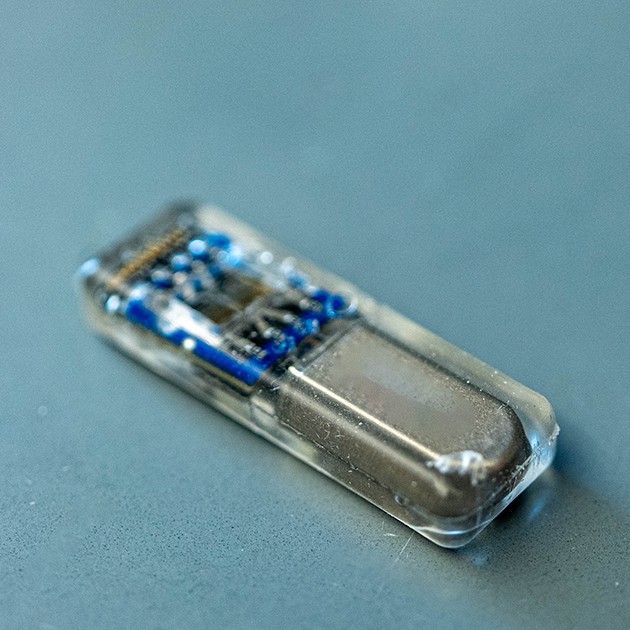
Called HOBIT (short for hybrid oxygenation bioelectronics system for implanted therapy), the new system integrates the engineered cells with oxygen-producing bioelectronics. Roughly the size of a folded stick of gum, the design shields cells from the body’s immune system while also providing cells with oxygen and nutrients to keep them alive and producing biologic drugs for several weeks.
With more work, living pharmacies hold the potential to treat chronic conditions with a single, long-lasting therapy—bypassing the need for patients to carry, inject, or remember to take medications.
The study was published in Device, a journal published by Cell Press. The project is jointly led by Northwestern, Rice University, and Carnegie Mellon University.
Tags:
Source: Northwestern University
Credit: