Experimental pill dramatically reduces ‘bad’ cholesterol
On Feb. 4, 2026, researchers from UT Southwestern Medical Center report that an experimental pill called enlicitide slashed levels of low-density lipoprotein (LDL) cholesterol, commonly known as “bad” cholesterol, by up to 60%, a new phase three clinical trial published in The New England Journal of Medicine showed. If approved by the Food and Drug Administration, this novel medication could help millions in the U.S. significantly reduce their risk of heart attacks and strokes.
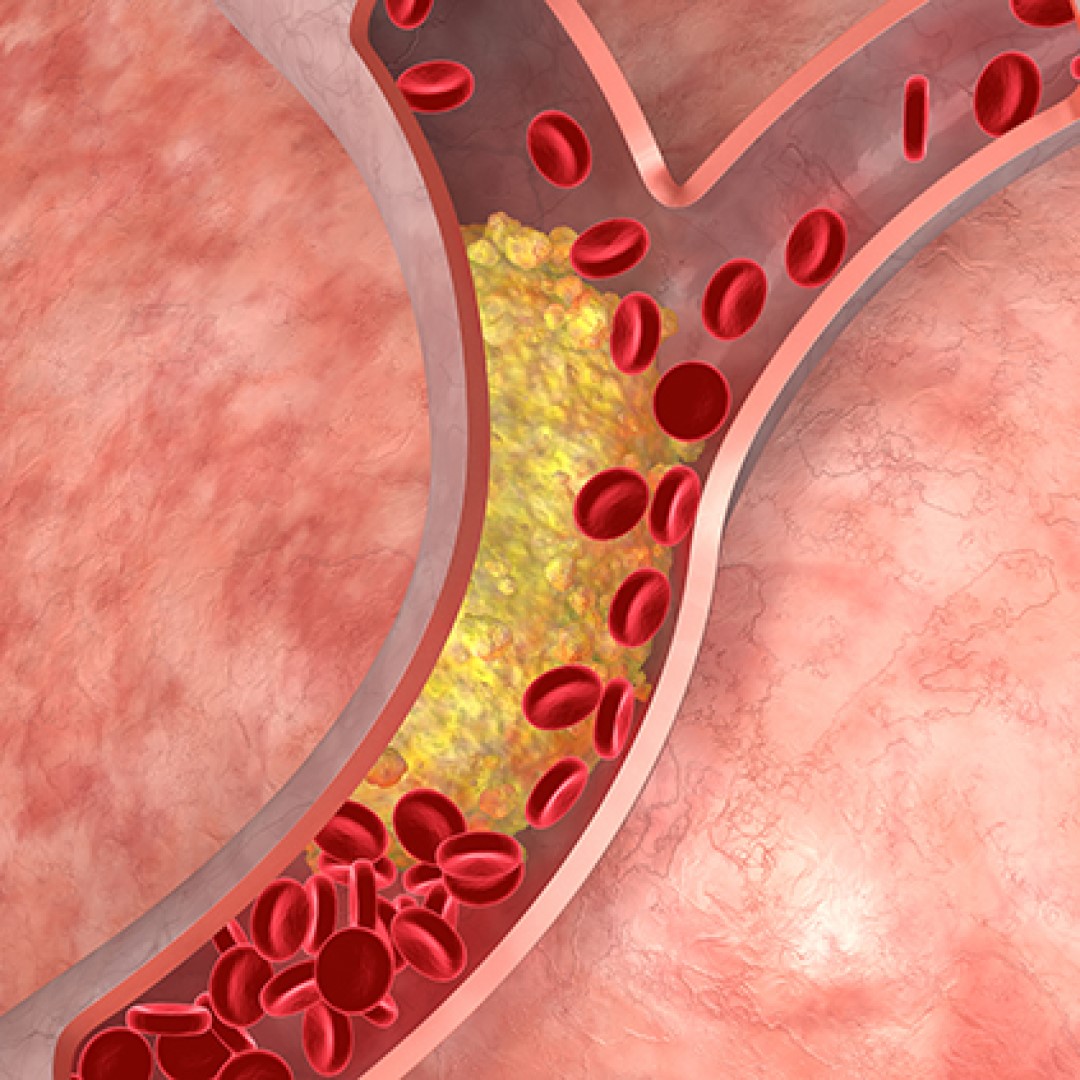
Researchers have known for decades that LDL cholesterol causes cardiovascular disease. Cholesterol-containing particles deposit in blood vessel walls, a process called atherosclerosis, which can then cause heart attacks and strokes. Consequently, lowering LDL cholesterol is a cornerstone of preventing cardiovascular disease in people who do not yet have it and reducing the risk of heart attacks and strokes in people who are already affected.
The development of enlicitide resulted directly from research conducted at UT Southwestern, Dr. Navar explained. Decades ago, Michael Brown, M.D., Professor of Molecular Genetics and Internal Medicine, and Joseph Goldstein, M.D., Chair and Professor of Molecular Genetics and Professor of Internal Medicine, discovered the LDL receptor on liver cells, which removes LDL cholesterol from the blood. This breakthrough not only earned the pair the Nobel Prize in Physiology or Medicine in 1985 but also laid the groundwork for developing statins, the class of medications most commonly prescribed to lower cholesterol levels.
Enlicitide works in a similar fashion to the monoclonal antibodies, binding to PCSK9 in the bloodstream, but it is taken once a day orally in pill form.
In the new phase three clinical trial, researchers tested enlicitide’s ability to lower LDL cholesterol in 2,909 patients who either had established atherosclerosis or were considered at risk for developing it due to related conditions. Two-thirds of the patients received the study drug, while the other third received a placebo. Even though the vast majority of these volunteers were already taking a statin, their average LDL cholesterol level was 96 milligrams per deciliter (mg/dl), far above the 70 mg/dl recommended for those with atherosclerosis and 55 mg/dl for those at risk of atherosclerotic cardiovascular disease.
After 24 weeks, those taking enlicitide reduced their LDL cholesterol levels by about 60% compared with a placebo. Enlicitide also significantly reduced other blood lipid markers associated with cardiovascular disease, including non-HDL lipoprotein cholesterol, apolipoprotein B, and lipoprotein(a). The results held steady over a yearlong follow-up period.
A separate clinical trial is already underway to study whether this decrease in LDL cholesterol translates into reductions in heart attacks and strokes.
Tags:
Source: UT Southwestern Medical Center
Credit: