Emerging cattle disease spreads to 60 Missouri counties
On Mar. 2, 2026, first reported two years ago, Theileria orientalis is moving westward, with no antibiotics on the horizon. Theileria orientalis ikeda was first detected in Missouri in June 2023 and has since been reported in 60 counties. With the westward movement of this disease, it is critical to understand how it spreads and how to minimize the impact.
Since then, this disease has been reported in multiple states, including Alabama, Arkansas, Georgia, Iowa, Kansas, Kentucky, Maryland, Missouri, New York, North Carolina, Pennsylvania, Tennessee and West Virginia.
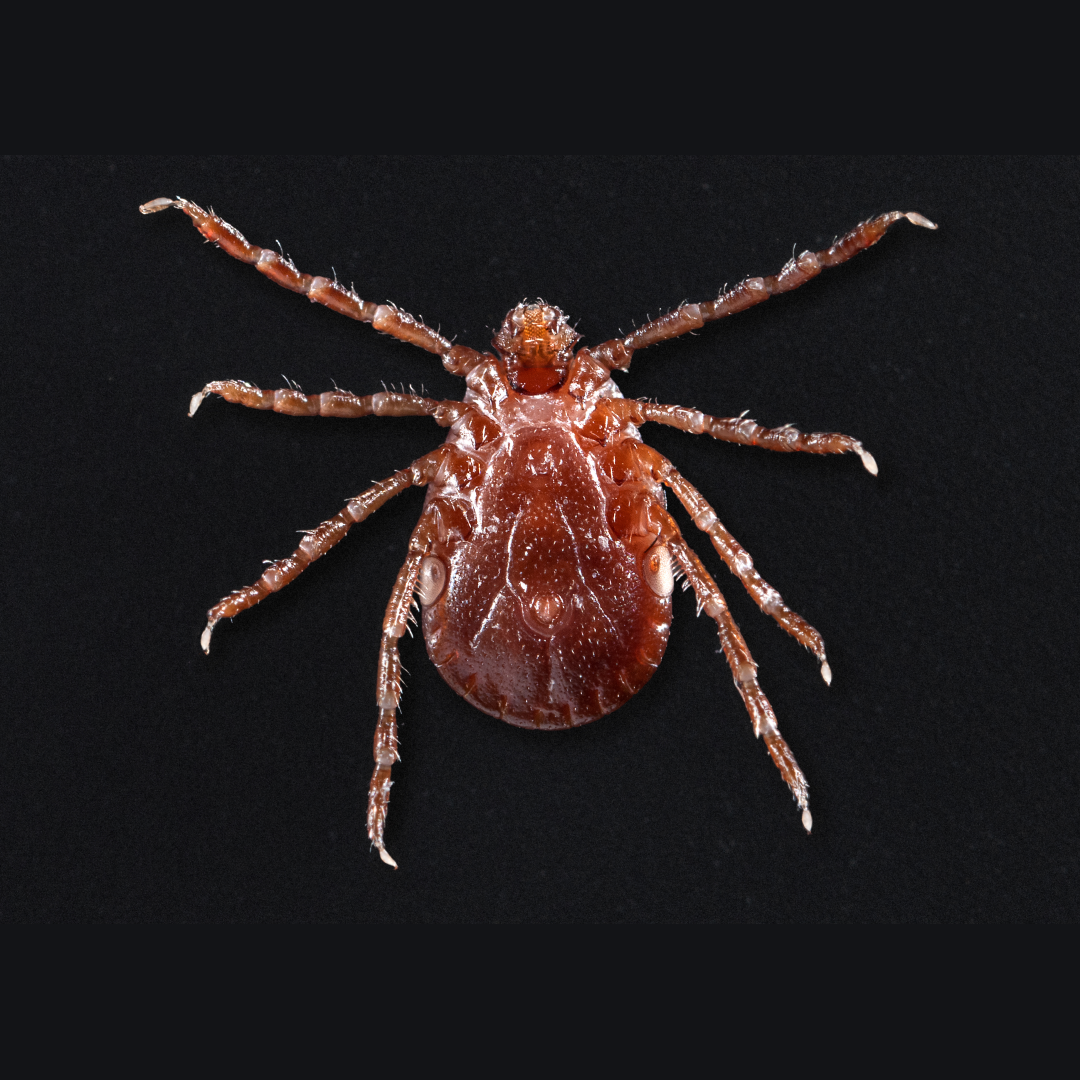
The Asian longhorned tick is the primary vector for Theileria orientalis ikeda, and the tick transmits the organism through its saliva while feeding on cattle. “The organism infects red blood cells, and those red blood cells are damaged and lost during circulation,” Payne explained. “This is going to create anemia, and there will also be an inflammatory response associated with the infection.” It may also be transmitted from infected to uninfected animals through biting flies, sucking lice and blood-contaminated equipment, such as needles and tagging tools.
Cattle typically show clinical signs of disease within one to eight weeks of infection. The severity of symptoms varies among animals. The are no antibiotics available in the U.S. to treat theileriosis, so options are limited. Payne recommended supportive care, which includes minimizing stress and handling, providing access to water and palatable feed, and administering anti-inflammatories, if necessary.
No vaccines are available to protect cattle from the disease. Control focuses on minimizing transmission, which decreases the level of exposure in a herd. This is accomplished by controlling insect vectors such as Asian longhorned ticks and biting flies, changing needles between animals, and disinfecting blood-contaminated equipment.
Tags:
Source: Farm Progress
Credit: