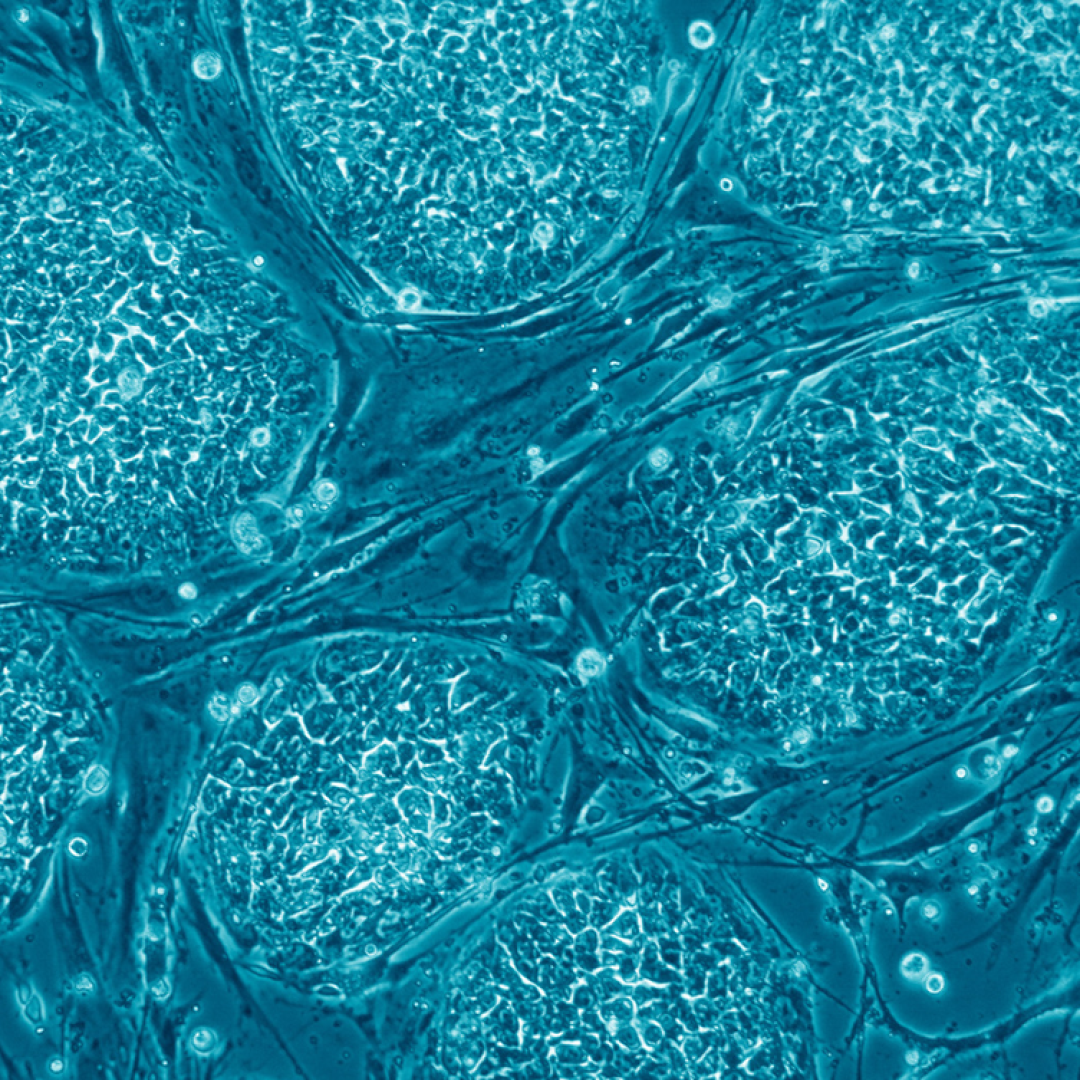
map of genomic and proteomic pathways created by Project Grandiose
On Dec. 11, 2014, Dr. Andras Nagy, from the University of Toronto and leader of Project Grandiose, announced an international effort to map the genomic and proteomic pathways during de-differentiation of induced pluripotential stems cells. The Project Grandiose secondary reprogramming samples presented a unique opportunity to profile cellular state changes at various time points during reprogramming.
Stem cells hold enormous promise for the treatment of currently incurable diseases. The molecular changes that lead to stem cells during reprogramming are starting to be uncovered. The detailed analyses of the data generated and now reported in the five papers will help to better understand this process which is critical to generating safe and highly-efficient sources for therapeutic cell production.
The extremely in-depth analysis of the process of reprogramming specialized cells to stem cells focused on learning how to control the path to either the new F-class stem cell versus “traditional”, embryonic-like stem cells. Comparing the two cell types revealed that the new class of stem cells is easier, less expensive and faster to grow compared with the embryonic-like stem cells.
Because of these properties, the new F-class stem cells can be produced more economically in very large quantities, which will speed up drug-screening efforts, disease modeling and eventually the development of treatments for different illnesses.
The detailed analyses of the data generated and reported in the five papers helps to better understand this process which is critical to generating safe and highly-efficient sources for therapeutic cell production. The study results were published in Nature.
Tags:
Source: University of Toronto
Credit: Photo: Electron microscopic image of human embryonic stem_cells. Courtesy: Public Library of Science.