‘Dead End’: Radical 20-Year Study Reveals Genetic Cloning Hits a Limit
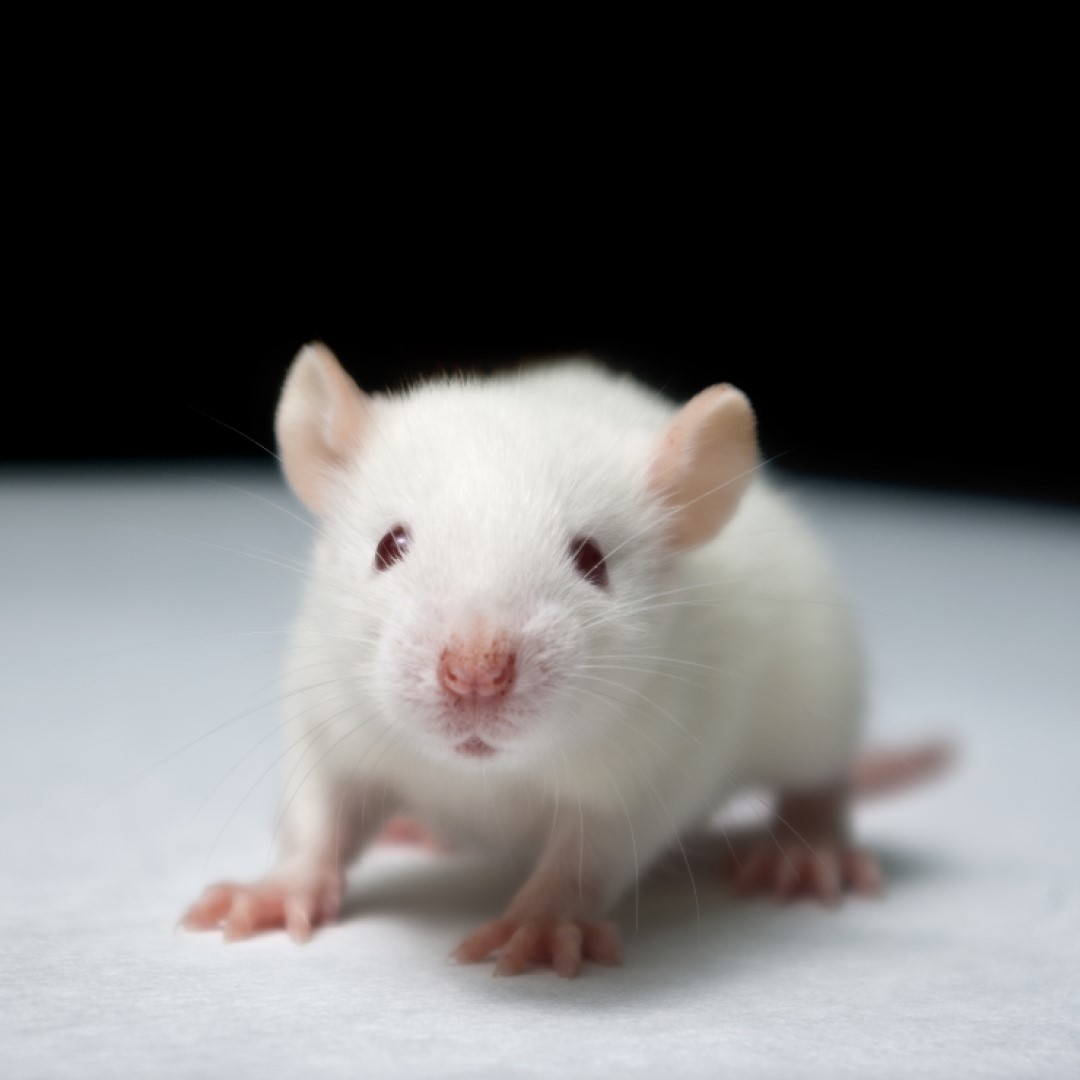
On Mar. 25, 2026, researchers, led by scientists at the University of Yamanashi in Japan, cloned a single female mouse in a study that began in 2005. They then re-cloned that clone by transferring its nuclear DNA into an egg ’emptied’ of nuclear DNA, and so on and so forth, for 57 more generations, producing more than 1,200 mice from that single original donor.
Two decades later, the team was on their 58th generation, and the re-cloned mice had accumulated so many genetic mutations that they died the day after they were born. The study is the first peer-reviewed research to ‘serially’ clone a mammal to this end.
“It has long been unclear whether mammals, unlike plants and some lower animals, could sustain their species through clonal reproduction alone,” write the research team, led by geneticist Sayaka Wakayama.
The study, the authors say, reaffirms “the evolutionary inevitability that sexual reproduction is indispensable for the long-term survival of mammalian species”.
The study was published in Nature Communications.
Tags:
Source: ScienceAlert
Credit: