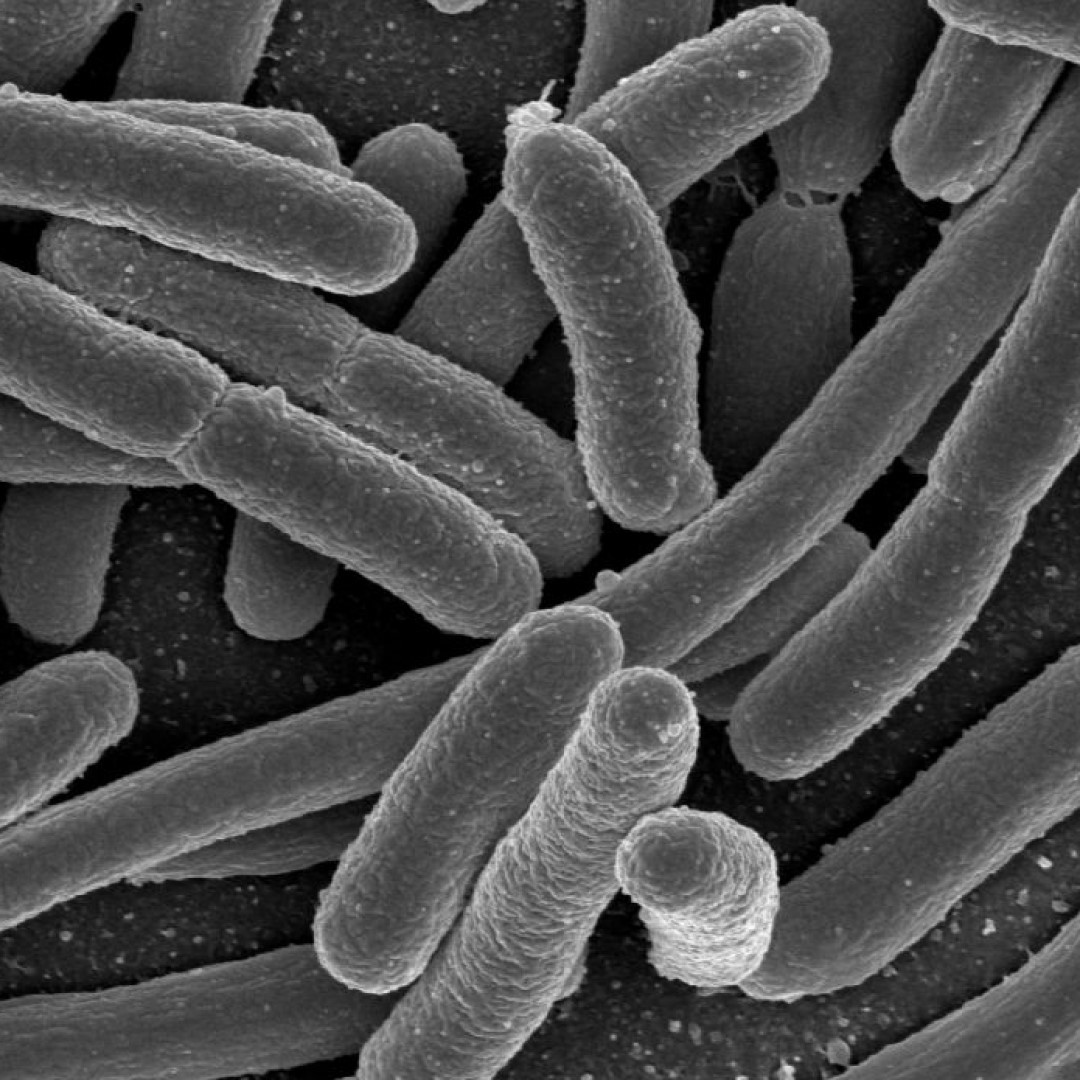
CDC study highlights growing threat of invasive E coli
On Feb. 6, 2026, A study by federal and state health researchers indicates invasive Escherichia coli infections are a growing problem in the United States and becoming harder to treat.
The study, by scientists with the Centers for Disease Control and Prevention (CDC) and state and local public health departments, published this in JAMA Network Open, found an estimated annual incidence rate of more than 74 extraintestinal invasive E coli infections per 100,000 population, with urinary tract infections (UTIs) accounting for more than half of the associated infection types identified by blood culture. Incidence was more than seven times higher in patients age 60 and older than in younger patients and higher in women than men among younger age-groups.
The study, which was based on active laboratory- and population-based surveillance data from nine labs belonging to the CDC’s Emerging Infections Program (EIP), also found high rates of resistance to antibiotics typically used to treat invasive E coli infections. The study authors say the findings highlight the “significant burden” of the pathogenin the United States, its role in causing illness and hospitalizations, and the challenges it poses for treatment and infection prevention.
Using case data from collected labs in the 9 EIP sites (California, Colorado, Georgia, Maryland, Minnesota, New Mexico, New York, Oregon, and Tennessee) from June through August 2023, the team identified 1,345 incident invasive E coli infections from 1,334 unique case-patients (median age, 68 years; 57.1% female). More than two-thirds (68.3%) of the infections occurred in adults over age 60, and 88.8% were in patients with underlying medical conditions. Ninety-five percent of case patients were hospitalized within 30 days, with 22% requiring intensive care unit admission; 106 patients (7.9%) died.
The 3-month crude incidence rate was 18.7 infections per 100,000 population, and the estimated annual crude incidence rate was 74.1/100,000. Incidence rates were highest for women (83.4/100,000).
Adding to the concern is the level of antibiotic resistance they found in their analysis of the E coli isolates. Substantial resistance was reported for trimethoprim-sulfamethoxazole (28.8%), levofloxacin (26.9%), and ciprofloxacin (25.9%)—three antibiotics that are commonly prescribed for UTIs. More than 15% of isolates were resistant to ceftriaxone, a first-line treatment for sepsis.
In addition, 14% of the infections were caused by E coli carrying extended-spectrum beta-lactam (ESBL) enzymes, which can confer resistance to multiple antibiotic classes and be shared with other types of bacteria. The authors called this finding “alarming” and said it may give pause to clinicians who have to make antibiotic treatment decisions before they’ve received antibiotic susceptibility test results.
Tags:
Source: Center for Infectious Disease Research & Policy, University of Minnesota
Credit: