CDC Reports Detection and Surveillance of New SARS-CoV-2 Variant BA.3.2
On Mar. 19, 2026, the U.S. Centers for Disease Control and Prevention announced that as of February 11, 2026, the new SARS-CoV-2 variant BA.3.2 had been reported in 23 countries. Detection of the variant began increasing in September 2025. In the United States, BA.3.2 was detected in nasal swabs from four travelers, three airplane wastewater samples, clinical samples from five patients, and 132 wastewater samples from 25 U.S. states.
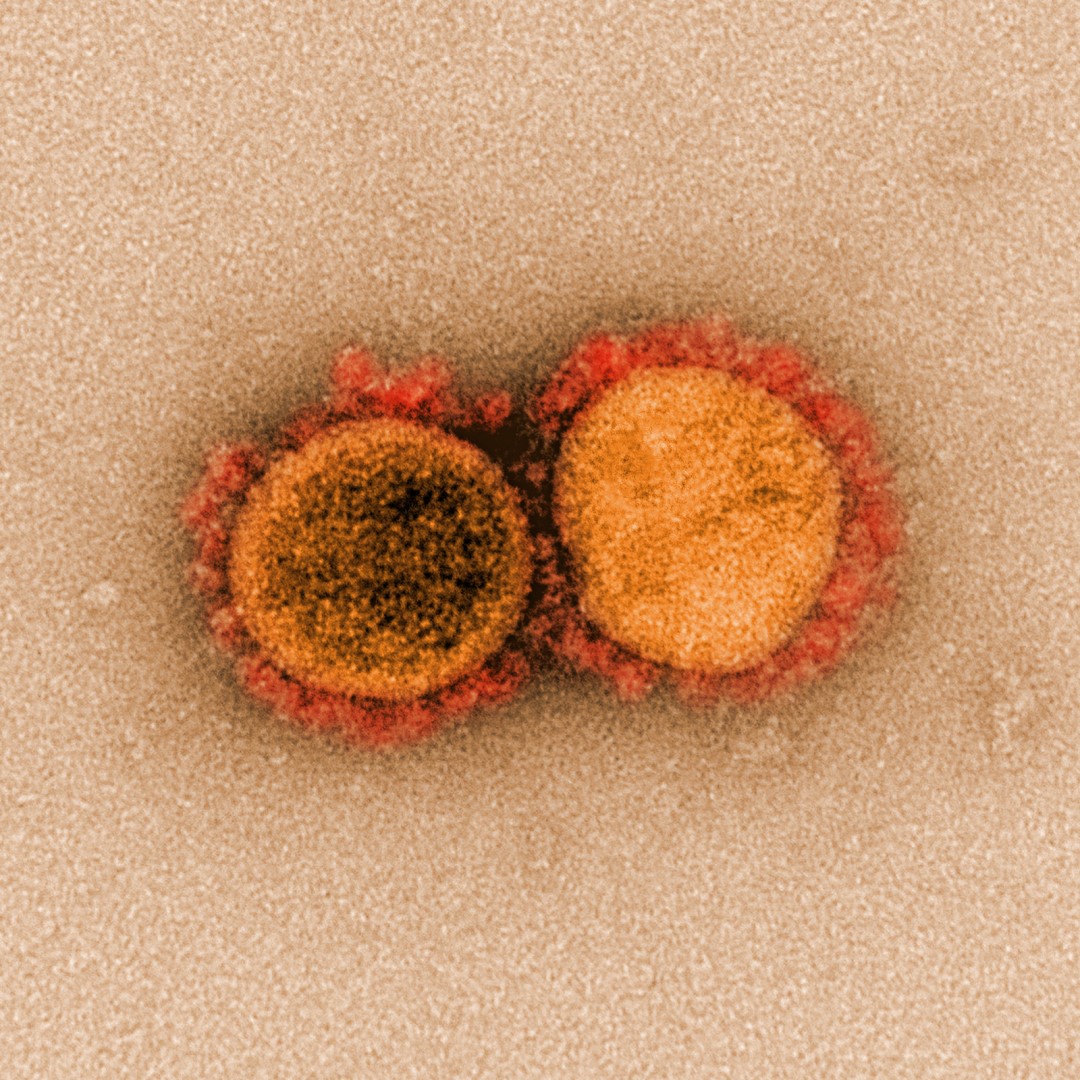
The SARS-CoV-2 variant BA.3.2 was first identified in South Africa on November 22, 2024. BA.3.2 has approximately 70–75 substitutions and deletions in the gene sequence of the spike protein relative to JN.1 and its descendant, LP.8.1, the antigens used in the 2025–26 COVID-19 vaccines.
CDC is using a multimodal SARS-CoV-2 genomic surveillance approach to monitor the emergence and spread of BA.3.2 and other SARS-CoV-2 variants internationally and within the United States. The first U.S. BA.3.2 detection occurred on June 27, 2025, through CDC’s Traveler-Based Genomic Surveillance program in a participant traveling to the United States from the Netherlands.
Since the COVID-19 pandemic began in late 2019, new SARS-CoV-2 variants with mutations in the spike protein have continued to emerge, generating antigenic diversity and immune escape characteristics that necessitate periodic reevaluation and reformulation of the COVID-19 vaccine composition. The spike protein is the primary target of neutralizing antibodies generated from a previous infection or COVID-19 vaccination, and mutations in this protein can affect transmissibility and immune evasion.
As of February 11, 2026, BA.3.2 had been detected in five respiratory samples collected in four states. The prevalence of BA.3.2 detections among 2,579 total sequences in national surveillance collected during December 1, 2025–February 11, 2026, was 0.19% (95% CI = 0.06%–0.45%). BA.3.2 was also detected in four TGS program respiratory samples collected from international travelers, three airplane wastewater samples, and 132 wastewater samples from 25 states through NWSS and WastewaterSCAN.
Tags:
Source: U.S. Centers for Disease Control and Prevention
Credit: