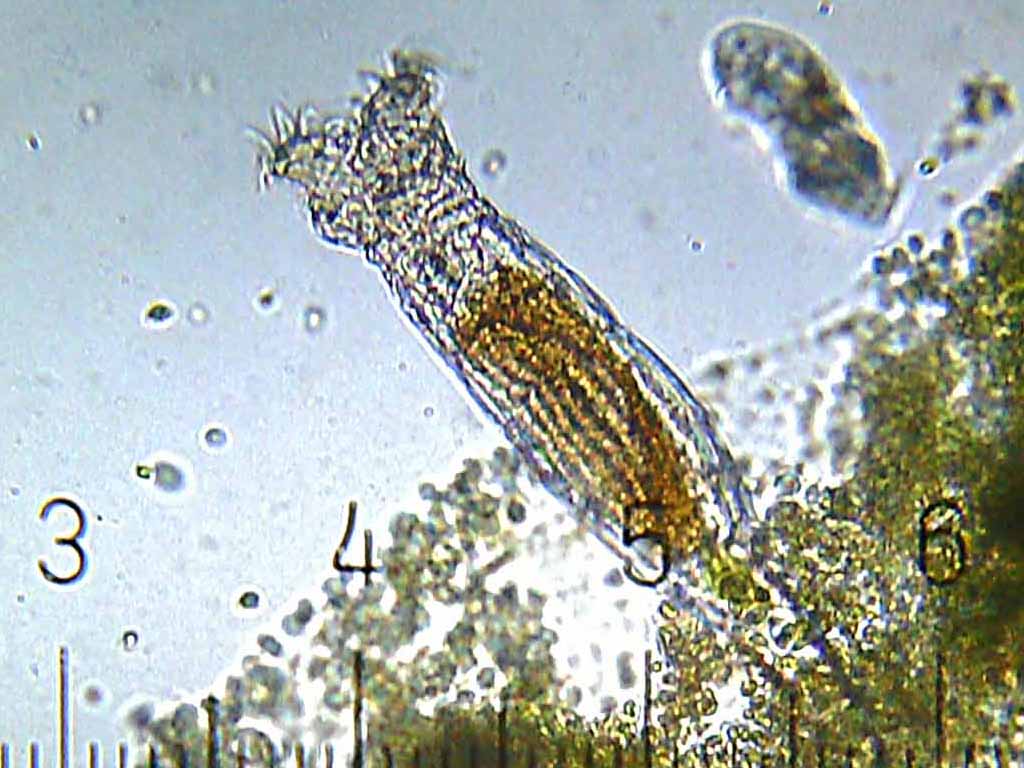
Study shows tiny animals steal antibiotic recipes from bacteria
On Jul. 19, 2024, a study led by the University of Oxford reported that a group of small freshwater animals protect themselves from infections using antibiotic recipes stolen from bacteria that could help develop future medicines.
The little-known creatures called bdelloid rotifers (which means ‘crawling wheel-animals’) live in moss, ponds, and soil. When these rotifers catch an infection, they switch on hundreds of genes that have been copied into their DNA from bacteria and other microbes. Some of these genes produce antibiotics and other protective chemicals against the disease. The study was published in the journal Nature Communications.
When these rotifers catch an infection, the study found, they switch on hundreds of genes that have been copied into their DNA from bacteria and other microbes. Some of these genes produce antibiotics and other protective chemicals against the disease.
‘When we translated the DNA code to see what the stolen genes were doing, we had a surprise’, said lead study author Dr Chris Wilson from the Department of Biology, University of Oxford. ‘The main genes were instructions for chemicals we didn’t think animals could make — they looked like recipes for antibiotics.’
Antibiotics, like penicillin, are essential to modern healthcare, but most of them were not invented by scientists. Instead, they are produced naturally by fungi and bacteria in the wild, and humans can make artificial versions to use as medicine. The new study, published today in the journal Nature Communications, suggests that rotifers might be doing something similar.
Tags:
Source: University of Oxford
Credit: Photo: Lateral view of a bdelloid courtesy Wikipedia.