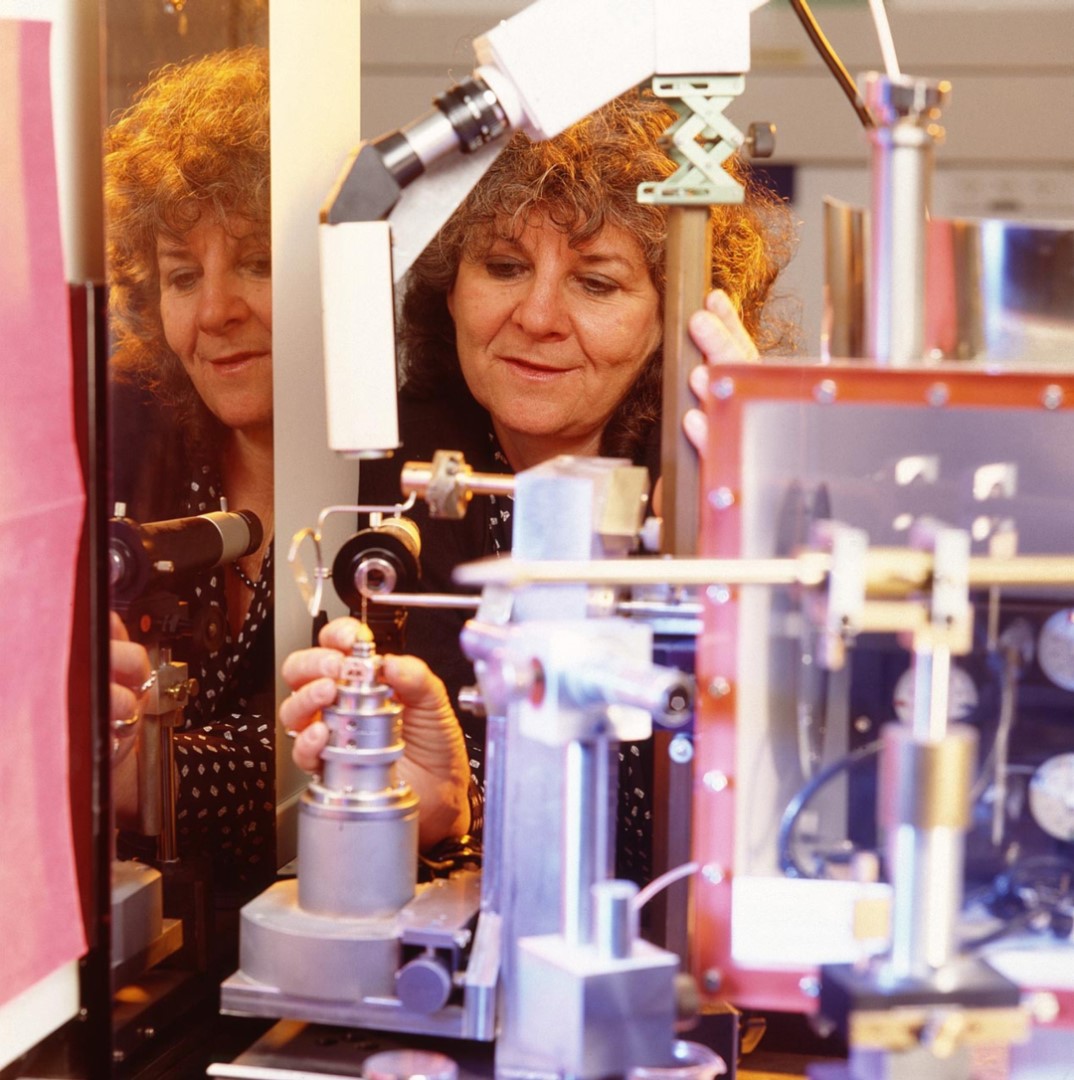
Ada Yonath received the Nobel Prize in Chemistry for mapping the structure of ribosomes using X-ray crystallography
On Oct. 7, 2009, Ada Yonath received the Nobel Prize in Chemistry ‘for mapping the structure of ribosomes using X-ray crystallography.’
In the late 1970s, Yonath decided to focus on one of the mysteries of living cells: protein biosynthesis. She began with ribosomes, where protein synthesis occurs. These were still a puzzle to scientists because they had yet to determine ribosomes’ molecular structure.
Normally one would use X-ray crystallography to map the structure of a molecule. But given its size, lack of internal symmetry and instability, the ribosome was considered impossible to crystallise – and Yonath was considered a dreamer or a fool for trying.
It took 25,000 tries – and the revelation that ribosomes from organisms that live under harsh conditions would be hardier during crystallisation. In the early 1980s, Yonath finally managed to crystallise a thermophile bacteria known as Geobacillus stearothermophilus.
The next step was to figure out a way to pass X-rays through the crystal without damaging its structure. The answer was cryo-bio-crystallography. Yonath developed this method of blasting the crystals at –185°C before X-raying them in order to protect their crystalline structures.
Tags:
Source: The Nobel Foundation
Credit: